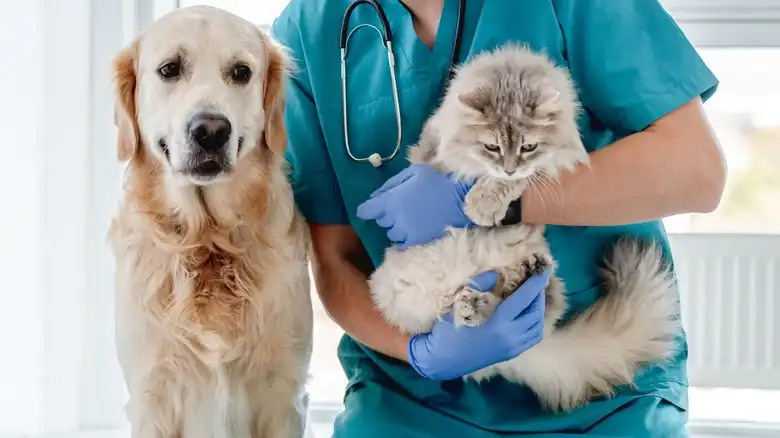
The 12 Most Expensive Vet Bills You Could Get If You Own A Pet
DogsDog HealthThe 12 Most Expensive Vet Bills You Could Get If You Own A PetByAdam SymchukJan. 28, 2025 9:05 am ESTTatyana Vyc/ShutterstockTaking a cat or dog to the veterinarian can be a stressful experience for both the pet and owner. Even at cooperative care practices designed to make vet visits less stressful for pets, the potential costs may cause financial concern. Regular check-ups and shots won't necessarily make the prepared caretaker panic. Still, the chance of an examiner finding something wrong or a visit brought on by a specific concern can raise anyone's anxiety. At best, you hope for something that is an easy fix, but sometimes problems first deemed small can snowball into significant and expensive issues.Those who have brought a pooch into their lives can expect higher bills across the board, as not only do procedures cost more, but vet visits are more frequent, according to 2023 data shared by the American Veterinary Medical Association. The frequency of vet visits can be attributed to outdoor hazards and breed-specific genetic conditions in dogs. At the same time, the overall size and variance that come with doggos makes them more expensive than their kitty counterparts. To reflect this difference, we've provided a range of costs for the most expensive vet procedures that reflects the lowest amounts for cats up to the maximum for dogs (when applicable). You'll find the specific price range for each type of pet under the individually listed vet bills.12. Cataract surgery - $1,800 to $4,000gpointstudio/ShutterstockSeeing a dog's eyes become cloudy or appear infected is a cause of concern for any owner. A wide range of conditions affect a pet's eyes, from conjunctivitis to glaucoma. A diagnosis of cataracts in need of surgery is going to be one of the most significant bills an owner can incur in this category. Cataracts are the breakdown of proteins in the lens, leading to clumping that gives that cloudy or opaque eye color that can lead to full or partial blindness. The reason for cataracts developing ranges and can occur at any age, though when it comes to dogs, certain breeds are more predisposed than others.Dog owners can expect to pay between $2,700 and $4,000, per Argyle Veterinary Hospital. Aftercare involves administering drops regularly and following up appointments to ensure recovery is going according to plan; your dog may also have to stay at the vet for the first day to monitor any potential complications. For felines, Cats.com shares that surgery can cost between $1,800 to $3,000.Cataracts may not cause a cat or dog pain. In cases where the size of the cataract is small, a vet may be able to prescribe anti-inflammatory eye drops that will need to be taken for the pet's lifetime instead of conducting surgery.11. Patellar luxation surgery - $1,000 to $5,000Deyana Stefanova Robova/ShutterstockWhile hip dysplasia is most common among large dog breeds, a disconnect of the kneecap can affect both big and small pooches, as well as cats. Toy-sized dogs can be particularly susceptible, with Yorkshire terriers and Chihuahuas facing a higher risk. Patellar luxation occurs when the patella shifts out of its normal alignment in the knee joint, causing pain and discomfort. It can be seen through limping, hunching, or a cracking/popping noise from the joints. For felines, taking weight off of a leg, hopping, or limping can also signal issues. There are two types of patellar luxation: a medial (dislocating toward the inside) or a lateral (outside).Patellar luxation surgery can cost between $1,000 and $5,000 for a dog per knee, according to Dogster. The aftercare process may include physiotherapy, vet follow-up visits, and pain-killing medication to help your canine while it recovers. Before surgery, tests can consist of an MRI or X-ray, which may lead to higher fees. The cost of surgery for a cat does not differ from that of a dog, and it is estimated by Integricare Animal Health to be between $1,000 and $5,000 per knee. Your vet may also recommend a supplement to aid in maintenance and a balanced nutritional diet to ensure a healthy weight to reduce strain on the joints.10. Humeral fracture repair surgery - $1,500 to $5,000Azmanl/Getty ImagesHumeral fracture repair surgery aims to restore the humerus, the long bone in the upper front limb. This surgery is required when the bone is fractured or broken in cats and dogs due to trauma, like being stuck by a car or pathological conditions. Treatment can vary depending on the extent of damage, but pet parents can expect to pay for surgery costs, which include repositioning bone fragments by using screws, pins, and bone plates to make the joint stable. Other factors that may affect the treatment and expenses are the pet's age and any pre-existing conditions that could complicate surgery or recovery.After a fracture is repaired, your pet will likely need to stay at the veterinarian for a few days so they can monitor for potential complications, like infections. Once the vet clears them to return home, your little companion may need to spend plenty of time resting in their favorite bed, as restricted movement could be advised to aid recovery. You will likely need to follow up with your vet with additional appointments so they can keep an eye on the healing process. Repairing a fracture or broken leg on a dog will range between $2,000 and $5,000, per Dogster. Owners can expect to pay between $1,500 to $4,000 for their kitty counterparts, according to Greystanes Vet Clinic.9. Total hip replacement $1,500 to $7,000Yimixing/ShutterstockSurgery required for hip dysplasia remains much more common in dogs than cats, though both can be considered for different procedures to correct the condition. Of the three options available – femoral head osteotomy, double or triple pelvic osteotomy (more commonly used on puppies under ten months), and total hip replacement — the latter is the most expensive option, albeit the most effective. The surgery involves the insertion of plastic and metal to replace a hip joint, alleviating symptoms attached to hip dysplasia.Certain dog breeds are predisposed to hip dysplasia, but it is more common in larger varieties. Of course, the size of your pet will affect the price. The cost for this surgery can range between $3,500 to $7,000 per hip for canines, according to Tumwater Veterinary Hospital. If surgery is required on both hip joints, they must be done separately, with at least 12 weeks recovering in between. Meanwhile, the same surgery for a kitty costs between $1,500 to $4,000 depending on the severity and the veterinarian's location and expertise in the field, per Greystanes Vet Clinic.Aftercare can also inflate prices, with your pet needing to be monitored after surgery, which can last from several hours to several days. Once the vet is comfortable sending a pet home, recovery takes around six weeks, with a potential need for follow-up appointments and physiotherapy.8. Sepsis - $2,000 to $9,500Maria Sbytova/ShutterstockA diagnosis of septicemia and bacteremia can be used interchangeably, and while they are separate issues, one is the product of another. Bacteremia results from a build-up of bacteria in the bloodstream, while septicemia is the body's response to that infection (sepsis). This form of blood poisoning manifests itself in low blood pressure, vomiting, diarrhea, and high fever, which can cause your cat or dog to go into shock and is fatal if not treated. Sepsis has a high mortality rate in pets of 20 to 50% (via 2022 research shared in the Journal of Veterinary Diagnostic Intervention), and treatment of the condition is an emergency and should be addressed immediately if its symptoms occur.Treating sepsis in a dog costs between $2,000 and $9,500, according to Wag!. These costs vary based on the treatment and age. A vet may use any or all combo of IV fluids, antibiotics, feeding tubes, oxygen application, surgery, and persistent monitoring, which increase the price. Wag! shares that feline friends face a similar if slightly lower range for emergency treatment for septic shock of $2,000 to $8,000. Both cats and dogs will require subsequent intravenous therapy and tests to check blood chemistry and organ function until levels return to normal, exacerbating expenses with additional appointments.7. Cancer treatment - $200 to $10,000ARVD73/ShutterstockSeveral types of cancers can affect the health of felines and canines. However, the most common variety for both is lymphoma, which is cancer of the lymphatic system: lymph nodes/ducts, spleen, bone marrow, thymus, and parts of the gastrointestinal tract. This is a complex condition, as within the diagnosis of lymphoma, it can be broken down into more than 30 different subtypes in dogs alone. The treatment plan will vary based on the variety, location, and needed procedures. While the most significant expense would come from surgery to remove a growth, the costs of medicine and chemotherapy for a beloved pet can add up.A single chemotherapy session for a dog ranges from $150 to $600, with an expected total of all treatments between $1,000 and $10,000, per ImpriMed. Prices may vary depending on how it is administered, whether through oral medication or intravenously. If the condition is treatable through steroids, costs are manageable, with a two-week dose costing between $6 and $20. For cats, oral medicine to assist with pain and nausea costs between $25 to $50, while the chemotherapy itself will total between $200 to $2,000 for all sessions, according to Wag!. Given the complications of treating cancer, it is always best to discuss the various options with your veterinarian, as it is not uncommon for prices to inflate beyond the expected range, depending on the situation.6. Gastric dilatation volvulus treatment - $500 - $10,000wimala namket/ShutterstockGastric dilatation-volvulus, often called bloat, occurs when the stomach fills with gas, fluid, or food, causing it to expand and potentially twist. Bloat in dogs is dangerous and requires immediate veterinarian intervention, as the twisting can cut off blood supply to various organs, leading to numerous complications, shock, and death. This condition primarily affects large dog breeds, with great Danes having a high occurrence rate of bloat at around 39% (via Animal Emergency Hospital). GDV can also occur in cats, but the condition is extremely rare, with only a handful of cases ever reported.The cost of treating gastric dilatation volvulus can range from $500 to $10,000 depending on the severity and if surgery for GDV can be prevented through other measures taken by a vet, according to Wag!. However, expect a bill upwards of $6,000 with no guarantee of success. In emergencies, your vet may also perform a gastropexy. However, this surgery, which involves creating permanent adhesion between the stomach and the abdominal wall to prevent twisting in the future, can be done in advance. If you have a canine prone to the condition, you can often have the preventative surgery done at the same time as a spay or neuter or around one year of age; great Danes who got the surgery were around 30 times less likely to experience GDV later in life, per a 2003 study published in Preventive Veterinary Medicine. The cost of preventive gastropexy can be 2.5 times less than an emergency procedure.5. J. Parvovirus treatment - $500 to $12,000Ilkermetinkursova/Getty ImagesParvovirus is a highly infectious and severe illness that can affect cats and dogs; with cats, the condition is referred to as feline panleukopenia. Parvovirus does not travel interspecies, so an infected canine can't give the illness to a feline, and vice versa. The symptoms of Parvo are particularly severe, carrying an 80% mortality rate (via Wag!). Symptoms begin with fever and lethargy and escalate to include vomiting and diarrhea, which can be so severe on a pet's body that it can lead to sepsis, shock, and heart failure.Parvovirus is most prevalent in kittens and puppies who have not grown old enough to get shot to prevent the condition; for any pet parent, keeping a cat or dog's parvo shots up to date is essential. A vet's first significant concern will be dehydration and electrolyte imbalance caused by severe vomiting and defecation. If vomiting is not too persistent, electrolyte solutions can be administered orally by a professional; in severe cases, IV solutions will be used to stabilize a pet.Treating parvovirus in a dog costs between $500 and $12,000. Getting vaccines and early treatment will contribute to lower costs, while emergency surgery will put a pet parent in the more expensive range. The cost of treating feline panleukopenia ranges between $500 – $2,000, per Wag!.4. Lung cancer - $3,000 to $15,000Fg Trade/Getty ImagesAny cancer treatment is going to be costly for a pet parent; there will always be a wide range of potential complications, required follow-ups, and medications that can come with a diagnosis. Cancer of the lungs presents unique issues, making it one of the more expensive types to handle.Symptoms of lung cancer in a dog can appear through difficulties breathing, lethargy, loss of appetite, fever, vomiting, or coughing blood. A vet will run a CT scan of the lungs if these conditions appear. Depending on location, size, and if other areas are infected, a vet may recommend chemotherapy, but if surgery is viable, it will be the most likely route taken. The cost of treating lung cancer in dogs can range between $3,000 and $15,000, according to Wag!. However, your vet may discuss other options, as successful surgery may only extend a canine's life for another year.Cats face similar issues when dealing with lung cancer, and again, a vet may choose chemotherapy over surgery depending on location and severity. Still, the overall price for cats may be lower than that of their canine counterparts, with Wag! identifying a range of $3,000 to $10,000. A cat may have to stay at the vet for several days after surgery, and recovery will include follow-up appointments, treatments, and medication.3. Renal transplant - $12,000 to $20,000VesnaArt/ShutterstockOrgan transplants in animals are always restricted by the professionals available, donors, and success rate; the process is relatively rare despite dating back to the 1980s. The most common type of transplant performed is a kidney (renal transplant). Yet this comes with its own challenges, including a low success rate in dogs. Successful surgeries come with further challenges, with immunosuppressive drugs a lifelong necessity.For these reasons, the price of renal transplants is very high, with the operation itself costing an average of $20,000 and drugs costing $11,000 annually for dogs, per Wag!. Consistent urine and blood tests will also be required, increasing the aftercare expense. Considering the moral implications of harvesting a kidney from another dog that can't consent and a success rate of only 40%, surgery is seldom considered an option.While complications for cats after renal transplant surgery are common, and survival rates are affected by various factors, including age, overall, there is a 77.5% survival rate from surgery to discharge according to a 2008 study in Veterinary Surgery. Still, the procedure comes with the same ethical issues and subsequent costs. PetMD notes expenses when considering both cats, with the surgery costing between $12,000 and $15,000, and medication and follow-up tests coming in at about $1,000 per year for the recipient of the kidney.2. Tumor removal from brain - $4,000 to $25,000Hugo Abad/Getty ImagesNeurosurgery can be an intimidating concept for any pet parent. The medical specialty focuses on various diagnoses, treatments, and surgeries related to disorders affecting the broader nervous system, including the brain, spinal cord, and their supporting structures. The underlying reason for needing surgery can range from tumors to neuromuscular disease, with symptoms such as seizures or paralysis also potentially requiring medical intervention falling under the blanket of neurosurgery.The most common reason for brain surgery is the removal of a tumor, according to Southeast Veterinary Neurology. Treatment for this condition is often done in conjunction with radiation therapy (RT), follow-up care, and medication. Many factors contribute to the price for this procedure, including the tumor's size, consistency, and location. These variables also influence the success rate of a surgery; think of it similarly to humans, who can develop a wide range of cancers.The price of treating a dog's brain tumor can range from $5,000 to $25,000, with an average cost of $12,000, per Wag!. Felines get the more affordable treatment in this case, with Wag! identifying a range of $4,000 to $6,500, including follow-up and testing. A "well-defined, single brain tumor" in a dog poses the best chance for success, while in cats, approximately 50% will see their life expectancy increase after the procedure.1. Mitral valve repair - $45,000 to $50,000SeventyFour/ShutterstockDespite heart surgery not being uncommon among humans — more than 900,000 cardiac surgeries are performed yearly in the U.S. (via Mass General Brigham) — it does not happen as often for pets. Owners are limited as to where they can get heart surgery for their cats and dogs when it comes to one of the most frequently-seen problems: mitral valve disease. In 2023, the only location offering canine open heart surgery for the mitral valve was the University of Minnesota Veterinary School. The availability of the surgery is slowly growing, with the Cummings School of Veterinary Medicine's Henry and Lois Foster Hospital for Small Animals (FHSA) successfully performing the procedure in 2024. Some vets will also offer heart surgeries for cats and dogs, but the scope of this practice is pretty rare in availability and frequency. More clinics exploring options is a slow but positive step forward. Previously, pet owners would travel to countries like France or Japan for mitral valve repair.The University of Florida places the cost of mitral valve surgery at $45,000 to $50,000. This amount does not include the cost of consultations, follow-up, and any additional medications. The limited availability and expertise for the procedures is just one of the reasons behind the high cost. Information on the price for mitral valve surgery for cats is unavailable, but heart issues in kitties' do happen. Dealing with an enlarged heart or mitral valve dysplasia averages around $2,000 for treatment.
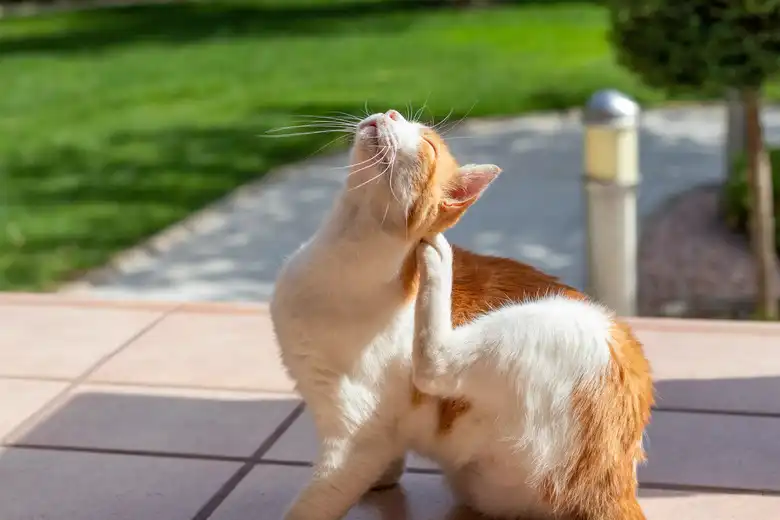
What To Do If Your Pet Has Fleas
CatsCat HealthWhat To Do If Your Pet Has FleasByKrissy HowardJul 27, 2023 11:03 am ESTPablo Vivaracho Hernandez/iStock/GettyImages #pb740d5e31bce0b3cf28085d8be3c2e10, #pb740d5e31bce0b3cf28085d8be3c2e10 img { aspect-ratio: 5938/3959; height: auto; } In This ArticleIdentify if your pet has fleasProblems that fleas can causeThe dog fleaThe cat fleaHow to get rid of fleasFlea treatment for your homePrevent a flea infestation from coming backThe bottom lineFleas—they're the worst! An irritating pest that leaves pets and people itchy, an untreated flea issue can quickly turn into an infestation, so you'll want to get on top of it as quickly as possible before it gets terribly overwhelming. Flea control should be tackled from a number of angles so that all of the life stages of a flea are stopped in their tracks. This includes treating your pet, cleaning your home, addressing any side effects of flea bites and allergies, and taking preventative measures. If your pet has fleas, don't worry—you can get your furry friend and your home back in great shape with just a bit of work.Identify if your pet has fleasIdentify if your pet has fleasFleas are most commonly found on dogs and cats, but they can also infest other pets, such as rabbits and ferrets. The easiest and earliest sign most people notice when spotting fleas is seeing their pets scratching at their own itchy skin. That's because adult fleas bite, which leads to an allergic reaction in most pets and people. To be sure, you can run a flea comb through your pet's hair, which will not only pull fleas off of them but also flea dirt, which are little black specks made of waste material and dried blood. You may also see small bite marks on areas like the belly, around the ears, or in any folds of the skin that are dark and moist—the perfect habitat for fleas.In some cases, you may even notice flea bites on yourself, especially if you share the couch or your bed with a pet, or if the infestation is severe. Around the ankles and wrists are common areas where people notice flea bites, which appear as small, reddish-brown bumps that itch.More Like ThisDogsAll About Fleas — Preventing & Getting Rid of Fleas On Your Pet & in Your HomeDogsHow to Tell the Difference Between Fleas, Ticks, and MitesDogsHow to Get Rid of Fleas & Mites in the HousePatcharamai Vutipapornkul/iStock/GettyImages #e105bdeb40b33ffe1efc5cc560040aa31, #e105bdeb40b33ffe1efc5cc560040aa31 img { display: block; aspect-ratio: 1.3333333333333Problems that fleas can causeProblems that fleas can causeIf you notice fleas on your pet or around your home, you'll want to take measures to get rid of them, as they only get worse over time. When left untreated, fleas can cause a number of problems for pets, including:Anxiety and restlessness. Fleas can make pets very itchy, leading to them scratching excessively. This can cause skin irritation, hair loss, and even open sores.Anemia. Fleas can suck a lot of blood from their hosts, which can lead to anemia in young, old, or sick pets.Transmission of diseases. Fleas can transmit a number of diseases to pets, including tapeworms, flea allergy dermatitis, typhus, and even plague! But don't worry, the latter is commonly only carried by rat and squirrel fleas.The dog fleaThe dog fleaDid you know that the fleas on dogs are not exactly the same as the fleas that infest cats? It's true! Dog fleas and cat fleas are not the same, but the difference between them is minimal (microscopic, in fact.) Both types of fleas are in the same genus, Ctenocephalides, but are technically different species— dogs are known as Ctenocephalides canis, and cats are known as Ctenocephalides felis.Dmitrii Anikin/iStock/GettyImages #eebf5d28ae0fb059e08ffc57969e4a689, #eebf5d28ae0fb059e08ffc57969e4a689 img { display: block; aspect-ratio: 1.4998477929985The cat fleaThe cat fleaIf your pet has a flea problem, they most likely have cat fleas, regardless of whether they themselves are a cat, dog, rabbit, or other type of domestic mammal. Most North American flea infestations are caused by cat fleas. Dog fleas, on the other hand, are more common in Europe.How to get rid of fleasHow to get rid of fleasGetting rid of fleas on your dog, cat, or other household pet can feel overwhelming at times, especially if you have a bad infestation on your hands, but don't worry! There are tons of items on the market and additional solutions to help get your pet flea-free in little time.Over-the-counter flea medications. Pet parents can find tons of effective flea control products over the counter at most of their favorite pet retail stores and websites, no prescription needed. These include medicated flea drops, chews, flea shampoo, flea spray, and even treatments for your home and yard.Prescription flea medications. Some flea medications will require a prescription, including NexGard, and Bravecto. You can purchase these medications at your veterinarian's office, or you can order them online with confirmation from your veterinarian's office.Veterinary care. If your pet has a severe flea infestation, you may need to take them to the vet for treatment. These treatments usually include flea removal with medication, as well as any necessary medication and treatments for side effects, including flea allergy dermatitis.Carrigphotos/RooM/GettyImages #eb44e4d39c7d8c5739a903182a8dfecfd, #eb44e4d39c7d8c5739a903182a8dfecfd img { display: block; aspect-ratio: 1.4999015166437Flea treatment for your homeFlea treatment for your homeTreating fleas on your pet is only part of the solution when you have a serious infestation in your home. Due to the flea life cycle, fleas can multiply rapidly, especially once flea eggs have been laid. From there they turn to larvae, then pupae, and then adults, which go on to lay more eggs, keeping the cycle, and thousands of fleas, alive. For this reason, you'll need to exterminate fleas and their eggs as quickly as possible, which can be done by following these steps:Vacuum and wash your home thoroughly. This includes vacuuming carpeted areas, as well as fabric surfaces like couches, chairs, and curtains, and washing flat surfaces like floors, floorboards, and wall trim. Take extra care to clean heavily-frequented areas of the home, like near doorways, common hallways, and especially the area where your pet spends a lot of time, like near their bed, kennel, or food and water dishes. Washing clothing, bedding, and towels in hot water and drying them on high heat will also remove fleas and flea eggs. After you've vacuumed, empty the canister or vacuum bag outside in a trash can, and wash or wipe down the canister and vacuum.Dispose of any flea-infested items. If you know that something is infested with fleas, it's recommended that you toss it, especially if it's fairly easy to replace. This can include door mats, your pet's bed, cat condos, fabric toys, collars, and leashes. Place them in a plastic garbage bag, seal the bag, and dispose of it outside of the home.Use a flea fogger or spray. It's extremely important to understand that fogger pesticides are NOT safe for pets, and it is important that you not use them while you or your pet in your home. In fact, it's recommended that you and your pet not enter the home for eight hours after a flea bomb has been used, so this step is really only recommended for serious flea infestations when done in combination with the above steps. If you do use a flea fogger, be sure to read all directions and warnings, including removing your pet's food and water (along with the dishes) from the home. For a natural solution, consider using diatomaceous earth for fleas.Kypros/Moment/GettyImages #e148ad300c794f4d7014a2e4ef7d386a0, #e148ad300c794f4d7014a2e4ef7d386a0 img { display: block; aspect-ratio: 1.1886906561839How to prevent a flea infestation from coming backHow to prevent a flea infestation from coming backThe best way to treat fleas is to keep them off your pets and out of your home in the first place, which can be done by taking a few easy preventative measures.Keep your pet's fur clean and trimmed. Regular grooming will not only make it harder for fleas to infect your pet, but it will also make spotting them early easier for you, which will give you the best shot at effective flea removal. Using a flea shampoo every time you bathe your pet isn't necessary or recommended, but it is a great first step in flea control if you notice fleas on your pet.Use a flea collar or other topical flea treatment on your pet. Flea collars can keep fleas off your pets, but only around the immediate area where the collar is placed (around the neck and head.) Monthly flea treatments are a great way to prevent fleas, especially during the warm months when fleas are alive and active. You can also find flea prevention in the form of chewables, which take effect quickly and work from the inside, out to keep fleas away.Vacuum and wash your home regularly. Much like keeping your pet clean, keeping your home clean will go a long way in keeping fleas at bay. If you have pets that go outdoors, regular vacuuming, dusting, and mopping is a great line of defense against flea infestations. Additionally, keep your pet's bedding, collar, and leashes on a washing routine, along with your own clothing and bedding, especially if you share your bed with your pet.Delmaine Donson/E+/GettyImages #ea0c1fe852891824c0aed3e06730121b6, #ea0c1fe852891824c0aed3e06730121b6 img { display: block; aspect-ratio: 1.5614754098361Most bugs are attracted to food sources, like dog food or cat food, but what about fleas? Do you need to remove any potential food sources for fleas? Fortunately, no. Fleas feed on warm-blooded mammals, so while they will attract fleas, their food won't. That said, because your pet is their food source, take extra care when letting your pet roam in tall grass or known flea-infested areas, especially in warm climates, to prevent flea contact.The bottom lineThe bottom lineFleas are certainly a nuisance, and if you have a pet who ever leaves the house, chances are you will come into contact with them at some point. That said, you can prevent flea infestations by keeping your pet and your home clean, and by giving your furry friend preventative medication that keeps fleas away, like flea drops, chews, or flea collars. If you already have fleas on your pet and in your home, medicated treatment is essential, as is thorough and repeated home cleaning, which includes washing clothing, bedding, and other fabric materials.ReferencesThe Bug Squad: Don't Use Flea Bombs or Foggers Until You Read ThisOrkin: Do Dogs and Cats Get The Same Fleas?MSD Veterinary Manual: Fleas of DogsCDC: Fleaborne Diseases of the United States
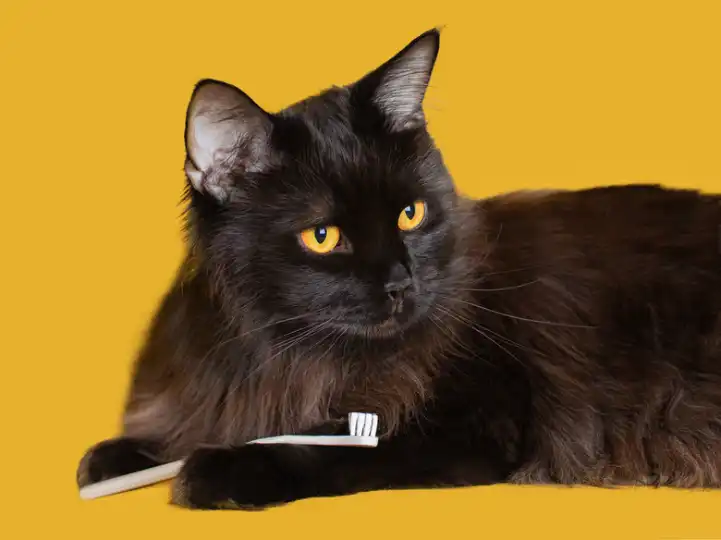
Should I Brush My Cat's Teeth? How Often, And How Do I Do It?
CatsCat HealthShould I Brush My Cat's Teeth? How Often, And How Do I Do It?BySassafras LowreySep 9, 2023 11:03 am ESTEkaterina Ilchenko/iStock/GettyImages #p8ac19f9776bee2017ca7aac98300db9b, #p8ac19f9776bee2017ca7aac98300db9b img { aspect-ratio: 5334/4000; height: auto; } In This ArticleShould you brush your cat's teeth?How often should you brush your cat's teeth?Supplies neededIntroducing your cat to toothbrushingIf your cat says noThe bottom lineFeline dental disease is a major problem for cats. According to veterinary studies, between 50 and 90% of cats over the age of 4 have some kind of dental disease. As a result, all cat parents should be thinking about their cat's dental health. Just like we brush our teeth daily, should you also be brushing your cat's teeth?Should you brush your cat's teeth?Should you brush your cat's teeth?Yes! Brushing your cat's teeth is the best way to protect your cat's oral health. Brushing your cat's teeth removes plaque which prevents the buildup of tartar. Keeping your cat's teeth clean with regular brushing helps prevent gum diseases such as gingivitis and other periodontal disease. Regular brushing of your cat's teeth can help prevent bad breath, tooth loss, and oral discomfort. Keeping your cat's mouth clean also makes it more comfortable. Although brushing your cat's teeth is important for keeping your cat's mouth healthy it doesn't eliminate the need for professional teeth examinations and cleaning by your cat's veterinarian.More Like ThisCatsHome Remedy for Feline GingivitisCatsCat Toothbrushes Are a Thing, and Every Cat Deserves OneDogsToothpastes Your Cat Will Tolerate—or Even LoveCris Cantón/Moment/GettyImages #e2d7616dbbb8a1dac6d800cd3021a93d8, #e2d7616dbbb8a1dac6d800cd3021a93d8 img { display: block; aspect-ratio: 1.5How often should you brush your cat's teeth?How often should you brush your cat's teeth?To keep your cat's teeth clean and healthy it's best to make time to regularly brush your cat's teeth. If possible it's ideal to brush your cat's teeth twice a day. Setting a goal of trice a day brushing is great, but whatever brushing you can do is better than nothing. An easy way to incorporate toothbrushing into your cat's schedule is to brush teeth when you feed your cat breakfast and dinner.Supplies needed for cat tooth brushingSupplies needed for cat tooth brushingFor brushing your cat's teeth you're going to need a toothbrush and toothpaste. Cat toothbrushes come in two options. The first kind of cat toothbrush has a long handle and resembles a human toothbrush. The second option is a finger brush that slips over your finger and has soft bristles on the end. Either toothbrush option works well; it just depends on your preferences and what your cat finds most comfortable. Don't ever use people's toothpaste as it contains ingredients that are toxic for cats.For brushing your cat's teeth, only use cat toothpaste and never human toothpaste. Cat toothpaste is made to be safe for cats, and flavors cats like. Cat toothpaste is available in a variety of flavors that are attractive to cats. These flavors often include chicken, seafood, beef, and other cat-attracting flavors.Petra Richli/iStock/GettyImages #e2c806dc07eae2a0983a8dddcc158e9e3, #e2c806dc07eae2a0983a8dddcc158e9e3 img { display: block; aspect-ratio: 1.0311936065996Introducing your cat to tooth brushingIntroducing your cat to tooth brushingWhen introducing tooth brushing into your cat's routine, it's important to go slowly and make sure that your cat is comfortable with the process. Start by massaging and rubbing your cat's cheeks and mouth area while you are cuddling. Praise and reward your cat with kitty treats for letting you touch their mouth area including teeth and gum line.When your cat is used to their mouth being handled, it's time to start introducing toothbrushing. If possible it's best to introduce your cat to their mouth being handled, and teeth being brushed when they are young kittens. When brushing your cat's teeth, pay attention to your cat's body language while you are brushing to make sure that your cat is comfortable. If your cat becomes uncomfortable or upset, stop toothbrushing and try again another time.First, put the toothbrush of choice out for your cat to explore. Praise and give your cat treats for any interest in the toothbrush. Then, put the cat toothpaste on your cat's toothbrush. Just like you have done with massaging and touching your cat's mouth area, do the same thing but with the toothbrush. Praise and treat your cat for letting you brush their mouth.Lightspruch/iStock/GettyImages #e691bd6d44435bb32dd903e86890a6571, #e691bd6d44435bb32dd903e86890a6571 img { display: block; aspect-ratio: 1.5151515151515Options for if your cat says noOptions for if your cat says noIf your cat's teeth can't be brushed because your cat is stressed or uncomfortable by the process there are other dental product options available. While tooth brushing is the best way to keep your cat's teeth clean you can also look into dental water additives made for cats. Some dry cat foods and crunchy cat treat or chews are designed to clean a cat's teeth. These treats and additives can help improve your cat's dental health. If your cat isn't comfortable having their teeth brushed, talk with your cat's veterinarian about what the best option for your cat's dental care at home will be.Iuliia Alekseeva/iStock/GettyImages #e8d4c9356fbffb6f30e2bb571d53af85c, #e8d4c9356fbffb6f30e2bb571d53af85c img { display: block; aspect-ratio: 1.504The bottom lineThe bottom lineDental disease is a serious issue for cats. To improve your cat's oral hygiene and prevent periodontal disease, consider adding tooth brushing into your cat's regular routine. Daily brushing of your cat's teeth can remove plaque and prevent tartar from building up on your cat's teeth. Prepare your cat for tooth brushing by first exposing your cat to their mouth being touched. Then when your cat is comfortable introduce the toothbrush. For brushing your cat's teeth, you should only use toothbrushes and toothpaste specifically designed for cats.
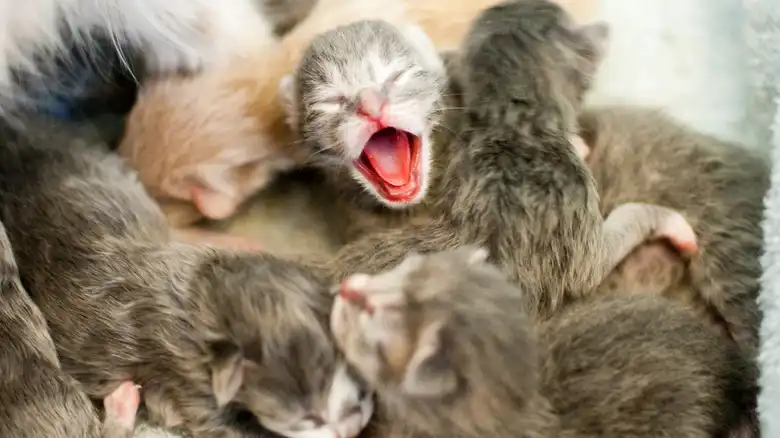
How Long After A Cat's Water Breaks Should She Have Her Kittens?
CatsCat HealthHow Long After A Cat's Water Breaks Should She Have Her Kittens?ByKatherine BarringtonUpdated: Dec. 9, 2024 3:03 pm ESTJessamyn North/Getty ImagesIf you are not an experienced cat breeder you may have questions regarding pregnancy in cats and the birthing process. Like humans, cats develop inside the mother's womb and are born live. While pregnancy is different for every cat, many cats exhibit certain symptoms prior to giving birth. Some of these symptoms include restlessness, diarrhea and the release of amniotic fluid — this is usually referred to as a cat's water breaking.Pregnancy in CatsThe typical gestation period in cats is 63 to 65 days, though some pregnancies may only last around 60 days while others may be extended to 70. A veterinarian can usually confirm pregnancy after the 17th day of gestation. The vet will palpitate the abdomen and feel for the kittens. Do not do this at home because you could inadvertently cause a miscarriage. Like humans, pregnant cats sometimes experience morning sickness. This symptom is likely to be present after the third week of pregnancy.Water BreakingWhereas the birth of a human baby is typically preceded by the mother's water breaking, this does not always happen in cats. In the womb, kittens develop in individual sacs filled with amniotic fluid. While sometimes these sacs break prior to birth, they often do not. If your cat's water breaks, it will likely happen just before she begins to give birth. If several hours pass after your cat's water breaks, it could mean that one of the kittens is stuck in the birth canal and you should call a veterinarian.Stages of LaborPregnant cats go through three stages of labor. During the first stage the pregnant cat will begin preparing a nest by kneading or rearranging the area she has chosen for giving birth to her kittens. The cat may also experience rapid breathing or increased heart rate and there may be some discharge from the nipples. The first stage of labor typically lasts between 12 and 24 hours. The second stage may involve forceful straining, vocalization and fluid around the genitals. Once the nose of a kitten is visible in the birth canal, it should be fully delivered within 15 minutes. The third stage consists of delivering each kitten's placenta once they are born.Cat Pregnancy TipsWhen your cat approaches the end of the gestation period she will begin to prepare a nesting site. You should provide your cat with a box in which to give birth and line it with newspapers or an old blanket. Feed your pregnant cat a healthy diet that is high in protein and calcium. Some veterinarians recommend feeding pregnant cats kitten food because it contains high levels of these nutrients. If your pregnant cat stops eating for more than 24 hours, becomes lethargic or experiences a sudden spike in temperature, contact your veterinarian immediately.ReferencesCat World: Cat PregnancyQuality Cat Care.com: Cat LaborCat World: Cat Giving Birth2nd Chance.info: The Stages of Feline LaborAlways check with your veterinarian before changing your pet's diet, medication, or physical activity routines. This information is not a substitute for a vet's opinion.
Are Laser Pointers Safe To Use With Cats?
CatsCat HealthAre Laser Pointers Safe To Use With Cats?BySassafras LowreyUpdated Aug 1, 2023NiseriN/iStock/GettyImages #pa28d37a849c1cce4463fc759bdc9320c, #pa28d37a849c1cce4463fc759bdc9320c img { aspect-ratio: 4500/3000; height: auto; } In This ArticleLaser pointer injuriesLaser pointer frustrationsLet your cat winMental stimulationThe bottom lineIf you have spent any time looking at cat toys, chances are you've seen laser pointers. These are usually small handheld devices that emit a small red dot. They can be pointed at walls or the floor for cats to chase. Though laser pointers are sold as cat toys, they can unfortunately be dangerous to your cat's health.Laser pointers can injure a cat's eyesLaser pointers can injure a cat's eyesIt's best to avoid using laser lights with your cat. The type of light they omit can be hazardous to them. Some cats chase the red dot and seem to enjoy these types of laser pointer games. But the laser beam is dangerous if it shines in a human or pet's eye. The American Academy of Ophthalmology explains that if it's a strong enough laser pointer, the red light can cause retina injuries and lead to temporary or permanent vision loss.Laser pointers are dangerous and not intended to be used as toys. It's very easy to accidentally shine the pointer in your cat's eye — even though cat owners might not intend to directly point it at them.More Like ThisCatsCan Cats Play Fetch?CatsHow to Teach Your Cat to Play DeadCatsSounds That Annoy Catsnico_blue/E+/GettyImages #e5d3aba8d5f91685ce6a2b463ef6601ec, #e5d3aba8d5f91685ce6a2b463ef6601ec img { display: block; aspect-ratio: 1.5Laser pointers are frustrating for catsLaser pointers are frustrating for catsEven though the moving light of a laser pointer can encourage cats to get more exercise, they can also be very frustrating to them. These toys can tap into a cat's natural hunting instincts and prey drive. However, they do so in a way that isn't very productive or rewarding for them. Cats can't actually "catch" the laser pointer's red dot. Therefore, they can become increasingly stressed, anxious, and frustrated with the game.Some cat owners credit these toys for tiring their cats out and making them easier to live with. Yet this exhaustion is often the cat shutting down. Cats love to chase and pounce, but when they can't catch the light dot, they end up getting frustrated. The jerky movements of the light can also lead to cats running into walls and furniture — making laser pointers bad news for kitty playtime.EThamPhoto/The Image Bank/GettyImages #e23b025f4246a24514d7be8c947ae3571, #e23b025f4246a24514d7be8c947ae3571 img { display: block; aspect-ratio: 1.4983713355049Let your cat win while playingLet your cat win while playingInstead of using laser pointers during cat playtime, it's much better to engage your cat to play with cat toys that allow them to win. They should be able to catch the toys they chase. Physical and interactive playtime is important for your cat's mental and physical health — but the play should also be productive.Fishing pole-style wand toys allow for interactive playtime. Give your cat the chance to see, touch, and catch the toy during playtime. This will help keep your cat engaged in playing and reduce their frustration with the game.kicia_papuga/iStock/GettyImages #e738b933af150963acb601259f22bc9df, #e738b933af150963acb601259f22bc9df img { display: block; aspect-ratio: 1.5The importance of mental stimulation for catsThe importance of mental stimulation for catsEnrichment and mental stimulation for indoor cats are important. Play is a great way to tap into your cat's natural desires. However, not all play and enrichment are created equally. Play can encourage physical activity which cats need to stay healthy. Interactive playtime is a great way for cats and their people to bond together. A cat who is getting enough stimulation and enrichment is less likely to display unwanted behaviors in the home — like eliminating outside the litterbox and scratching.Try different toys and games which channel your cat's natural instincts. Many cats enjoy puzzles or other toys that are treat and food dispensing. Interactive toys such as wands can also channel these cat instincts.Ingus Kruklitis/iStock/GettyImages #ef82708219fe9fc91fbd64796a7462ed1, #ef82708219fe9fc91fbd64796a7462ed1 img { display: block; aspect-ratio: 1.4992025518341The bottom lineThe bottom lineLaser pointers for cats might seem like a fun idea when you see them in the toy aisle in your local pet store. Unfortunately, it's best to avoid letting your cat play with them. Laser pointers can lead to severe injuries to a cat's eyes. They can also be frustrating and stressful for cats, because they can't "win".Instead of laser pointers, select cat toys that your cat will be able to pounce at and catch while playing. These toys create a safer and more satisfying playtime for you and your cat!ReferencesAmerican Academy of Opthamology: Is Your Laser Pointer Dangerous Enough to Cause Eye Injury?
Is Burning Sage Safe For Cats?
CatsCat HealthIs Burning Sage Safe For Cats?ByJacquelyn LewisUpdated: Dec. 9, 2024 5:14 pm ESTBy Jbfotoblog/Getty ImagesSage is known for its pleasant aroma, and some people also believe the herb has metaphysical properties, lighting bundles of it to cleanse a new space, banish negative energy, or promote healing and clarity. However, cat owners often ask if they should avoid burning sage near their pet. That's a good question given that many herbs are toxic to cats. However, sage is rarely worrisome when it comes to using it in a house with felines.What is sage?Sage, or Salvia officinalis, is an herb in the mint family (the mint family also includes catnip and oregano), and it comes in a few varieties. Common sage is used in recipes and medications, while another type of the herb, white sage, is bundled for burning.Can cats eat sage?Yes, cats can eat sage. This herb is safe for cats in the garden, so plant it without concern. Sage is not harmful to felines if ingested in small quantities, and the American Society for the Prevention of Cruelty to Animals (ASPCA) Animal Poison Control Center lists it as nontoxic for felines.If a cat eats a very large quantity of sage leaves, they might experience stomach upset, vomiting, and diarrhea, so it is still a good idea to monitor your cat when they have access to sage plants, especially if they are known to chomp on houseplants or other greenery.elvis901/iStock/GettyImagesIs burning sage safe for cats?Yes, it is generally safe to burn sage around cats. The smoke from burning sage is not more harmful than burning a pet-safe candle or incense. However, cats with respiratory conditions, like asthma, might find the smoke irritating. You also need to be wary of a curious cat singeing their paws or batting burning sage out of its container. Keep a close eye on your cat if you are burning sage in their vicinity, and if you have any concerns about your cat's respiratory system, you should consult your veterinarian before burning sage near your pet.Danai Jetawattana/iStock/GettyImagesHow to burn sage near catsSage is burned loose in a fireproof bowl or tied in a bundle. Ignite the sage and then blow it out to release its incensed smoke. Hold the burning sage over a burn bowl to catch embers. Slowly wave the burning sage around the room. When doing a smudging ceremony, you'll open windows and doors to let out negative energy.If you're burning sage for the pleasant smell alone, keep in mind that without circulation, such as an open window, polycyclic aromatic hydrocarbons — chemicals that are harmful to health — can rise to levels similar to those in the home of a smoker. This can result in cats suffering respiratory irritation, especially if they have preexisting conditions, such as asthma or bronchitis.Is sage safe for cats?Yes, sage is generally safe for cats. However, if your furry friend starts sneezing or has watery eyes while you are burning sage, immediately move the cat to another well-ventilated room when you are burning sage. A cat's upper-respiratory tract is more sensitive than humans, so it's best they are not near smoke. If you keep your cat in the room with you, keep a careful eye on the sage to make sure your cat's curiosity doesn't result in singed paws from hot embers getting knocked out of the burn bowl.Cavan Images/Cavan/GettyImagesHerbs toxic to catsSage is nontoxic to cats, so don't worry if your kitty nibbles a few leaves while you're setting up. However, that is not true of all herbs used for similar purposes, and anything eaten in large enough quantities can be harmful. Essential oils, even sage essential oil, are very dangerous for cats because cats cannot tolerate the ketones and phenols in these products. In extreme cases, liver failure can result.Herbs toxic to cats on their own include chives, garlic, St. John's wort, chamomile, cannabis, and lemon grass. Even plants considered nontoxic can cause gastrointestinal upset and vomiting but not a condition that is life-threatening. If you suspect that your cat has ingested a toxic plant, you should contact your veterinarian immediately.The bottom lineSage is usually safe for felines, including if they ingest the herb or if they are nearby when sage is being burned. However, pet owners should use caution if their cat has known respiratory issues, as sage smoke might exacerbate the problem. Cats should also not be allowed to eat large amounts of sage because large amounts can cause stomach upset. Always consult with your veterinarian if you have questions or concerns regarding your cat's health or safety.
Things You Don't Realize Are Making Your Pet Smell Bad
Pet ParentingThings You Don't Realize Are Making Your Pet Smell BadByKeri-Beth ClurNov. 9, 2024 9:05 am ESTKrakenimages.com/ShutterstockYou know your pet's smell better than anyone else, so when it changes from fresh and familiar to unpleasant, it should raise a red flag. While the cause of the bad smell isn't always obvious, stinky breath, skin, gas, ears, and bottoms may indicate a range of problems. Some odor sources are easy to spot, such as rolling around in the mud all day or napping on a pile of soiled laundry; others may be hidden. In many cases, a smelly pet serves as a reminder to up your care game by brushing their coats more regularly, monitoring their ears, and spot-cleaning them after playtime outside.Many culprits can cause your pet to stink, from ear infections and dental problems to allergies and dirty bedding. In some cases, bad odors can be a sign of more severe health concerns, such as kidney disease or urinary issues. Though that might sound like a reason for alarm, catching these problems early allows your pet to get the treatment they need to stop the situation from getting worse.Ear infectionsMaria Sbytova/ShutterstockAlthough one wouldn't expect them to smell like roses,if your pet's ears have a sickeningly sweet stench that lingers in the air all day, they could have a bacterial or yeast infection.This is more likely to be the case if the smell is accompanied by other symptoms, like discharge, redness, head shaking, and scratching. In addition to these signs, cats may display balance issues or disorientation. Dogs with long, floppy, hairy ears or those who spend a lot of time in the water are more prone to ear infections. If your canine has very hairy ears, you can ask your groomer to trim around the area so that wax, dirt, and odors don't get trapped.If you receive vet approval to regularly clean excessive wax or dirt out of your pet's ears, go ahead. However, you shouldn't do this if you notice signs of an infection, as you could make the situation worse or cause more pain for your beloved companion. Before touching your pet's ears, take them to the vet and ask about the different types of antibiotics available for dog and cat ear infections. Also, request that they explain how to best care for your pet's ears in general.Dental problemsGarnar/ShutterstockSmelly breath can be a sign of several health issues, like diabetes and kidney disease, but dental problems are the most common cause.Without regular teeth brushing, particles from whatever your pet has licked or eaten can get trapped in their gums, creating decay that can lead to bad breath.It can also cause bacteria to build up in the mouth, which can lead to inflamed gums and other issues like periodontal disease. The best way to combat this is by brushing your pet's teeth at least three times a week, though some experts believe doing it every morning and night alongside your own routine is ideal.Different animals will require different dental cleaning tools. You can use a special brush or cotton swab to clean a cat's teeth, but should only use a dog toothbrush on canines with pet-friendly toothpaste. Ask your vet to recommend toys that can help clean your dog's teeth naturally. You should take your pet for professional teeth cleanings every one to two years, depending on the breed and their oral health. Smaller animals, like rodents, may not require teeth brushing at all, but can maintain good oral health via chew toys available and eating a healthy diet.Sometimes, your pet's mouth may smell because something is trapped inside, like a splinter from a stick. This can cause an infection; if your pet allows it, examine the teeth, cheeks, area under their tongue, and the roof of their mouth for signs of redness or an abscess. If your pet has bad breath even without these signs, you should still get them examined by their vet.Kidney diseaseAleksandr Zotov/Getty ImagesOne of the most important jobs the kidneys have is cleaning waste, such as urea, out of the bloodstream.When kidneys start to fail, the waste builds up, and it makes your pet's breath stink. Due to the high amount of urea in the bloodstream, their breath will smell like ammonia. Although kidney disease causes bad breath, dental disease can be a cause of kidney disease. However, there are several acute and chronic causes of kidney disease, which your vet will need to determine through testing.Other than bad breath, kidney disease can lead to a loss of appetite or picky eating that results in weight loss, decreased energy, vomiting, diarrhea, and dehydration (even though your pet will want to drink a lot more water). Pets with kidney disease need medical care, not home remedies that aren't vet-approved. Prolonging proper treatment can cause serious damage to your pet's organs and be life-threatening. Ask your vet questions about your dog or cat's kidney disease stage, treatment options, and prognosis. Depending on how bad their condition is, they may need medication, dialysis, and other treatments that only your vet can provide.Infected anal sacsTina_photo/ShutterstockAnal sacs naturally secrete a unique smell for other pets to pick up on, which is why pets greet each other by sniffing this area. Additionally, both cats and dogs empty their anal sacs when they're scared or pooping. Although the normal scent of anal gland secretions isn't exactly pleasant,if the smell is strong (and fishy) enough to get your attention, it could be a sign the anal sacs are infected.Other signs of infected anal sacs are swelling and pus, or if your pet starts scooting on the ground, excessively licking their bottom, or struggles to poop. If you notice these behaviors, it's time to bring them to a vet. To sort out the infection and prevent an abscess from forming, your vet will likely prescribe antibiotics. They may also manually express the sacs, which should sort out the bad odor.Most pets won't ever have problems with their anal sacs, but if yours regularly develops issues, you may need to express their anal sacs manually and consider altering their diet. If this provides little improvement, your vet may suggest surgically removing the sacs.Wet fur or hairMaria Korneeva/Getty ImagesEven with regular grooming, a wet pet can smell unpleasant. As pet owners, we all know this smell because it's usually trapped inside our cars with us on the drive home from a day at the beach or lake. This happenswhenever your pet goes for a swim because the microorganisms, dirt, and natural oils that live on their skin, fur, or hair release smelly odors into the air through moisture evaporation.You may also notice that one pet smells worse than another after a dip in the pool. This may be because one has wrinkles and the other does not. In the former case, more microorganisms, oil, dirt, and moisture may get trapped between their skin folds and smell worse. To prevent odors, thoroughly dry your pet's hair or fur with a pet blow dryer after a bath or swim. Regularly brushing through their coats will also reduce odors because hair and fur trap moisture and dirt.Skin fold dermatitisIrina Shpiller/Getty ImagesObese pets and wrinkly breeds, such as pugs, are at risk for skin fold dermatitis. Between their folds are warm, moist environments where dirt, saliva, and oils get trapped, and microorganisms, such as bacteria and yeast, thrive.If the skin under these folds isn't cleaned and dried regularly, they will become inflamed, infected, and smelly.Once an infection develops, you'll need to prevent your pet from scratching or itching the infected areas and treat it with medication from your vet.It's important to clean between your pet's folds every day to avoid infection, or even more frequently if you notice dirt or trapped food in the wrinkles around their face. Daily cleaning of your pet's folds can be done by using wet wipes from your vet. You'll need to lift each fold, wipe away any moisture or dirt, and then dry the area with a cotton ball. When bathing your pet, use a mild shampoo that is gentle and hydrating to their skin, wash between their folds, and then rinse them well before drying them thoroughly with a microfiber towel.Eating the wrong foodsAmanda Goodrick/Getty ImagesPets who eat things they shouldn't, such as feces, cigarettes, or spoiled food, will have bad breath. Although you may not have seen what they ate, their breath will be a giveaway, so brush their teeth, use pet wipes to clean them up, give them dental chews, and restrict access to areas where they could find bad things to snack on. If they're eating spoiled food from your trash can, get one with a secure lid that they can't open. If they have a habit of eating poop, pick it up from your yard more regularly or move your cat's litter box to an area your dog can't access. Where applicable, chat with your vet about why your cat is eating litter or your dog is eating poop because it could be a sign of a dietary deficiency. Sometimes bad food, including table scraps, is hard to digest and will cause gas in your pet, making them smell bad.If your pet struggles with a gurgling stomach, flatulence, and burping, take a look at their diet and avoid hard to digest ingredients. Your vet can help you with this process and recommend a diet more appropriate for your pet. However, gas can also be a symptom of irritable bowel syndrome (IBS), so your vet will run tests to determine what the cause.AllergiesIrina Orlova/Getty ImagesLike humans, allergies in pets are pretty common. Allergic reactions occur when an allergen enters your pet's body, and their sensitive immune system sees it as a threat and attacks it. In humans, allergic reactions to dust and pollen will usually include a congested nose and itchy eyes, while in pets, they'll typically manifest as skin problems.Allergies that cause your pet to become itchy and scratch excessively can quickly turn into yeast or bacterial infections, which can cause secretions that smell bad.Cats often experience these issues on their heads and necks, while dogs can also have it on their paws and stomachs. However, other areas can be affected, too.Environmental, food, and flea allergies can cause excessive itching. There isn't much you can do to help your pet on your own, and your vet will need to do allergy testing to determine what your pet is allergic to. Pet's who are allergic to certain ingredients in their diets will need to transition to a special diet. Flea treatments, adding air purifiers in your home to reduce allergens in the air, medicated shampoos, and supplements can help pets with other allergic causes. Pets with skin infections will need antibiotics or antifungal medication to clear them up.Urinary issuesPhotos By R A Kearton/Getty ImagesIf your pet smells like fish near their rear end but their anal sacs are not impacted or infected, the smell could be coming from their genital area. If too much bacteria gets into the bladder from the urethra, a UTI can develop. Although a pet's genitals are often in contact with a lot of bacteria from dirt, saliva, and poop, their body usually does a great job at fighting any bacteria that manage to enter the urethra. However, sometimes, when their immune system is weak from illness or old age, bacteria manage to move up the urethra and cause an infection.Although UTIs are more common in female pets because their urethra is shorter, males can also get them.Their urine will smell fishy because of the high amount of bacteria in their bladder.However, UTIs don't only cause smelly urine; they can also result in fever, lethargy, pain, blood in the urine, vomiting, and a lack of appetite. If your vet can treat your pet early, the UTI should resolve quickly without any issues. UTIs are uncomfortable for your pet, and leaving them can cause complications.Ear wax buildupCasarsaguru/Getty ImagesCertain breeds, pets that swim, and those with allergies tend to produce more earwax than their ears need. The production of wax is important to protect your pet's ears and keep them clean, but overproduction can cause issues for your pet if nothing is done about it. Thankfully, the solution is simple.To clean and remove the excess wax from your pet's ears, you'll need to get a special ear cleaner from your vet, which you'll squirt into your pet's ear canal before massaging the base of their ear. After about 30 seconds, you can clean around the ear with a cotton ball. Let your pet shake their head to remove any leftover gunk.When there is too much ear wax in your pet's ear, you might smell a bit of an odor coming from the area.However, cleaning the ears will resolve the problem before your pet is even bothered by it. However, allowing the wax to build up can lead to pain or an ear infection. It's normal for your cat or dog to have a bit of wax, but consult your vet if you think they have an excessive amount. Misjudging the situation and cleaning normal ears can change the pH and make them susceptible to infection.Paw infectionsKaryB/ShutterstockIf you sniff your pet's paws, they may smell yeasty (or like corn chips) — a scent some people don't like. As a pet owner, you'll have to get used to this mild odor because it's normal. Paws contain bacteria and fungi from walking through grass, stepping into poop and mud, and standing in puddles of dirty water. They also don't get much air moving between their smelly, warm toes, which is ideal for bacteria to live.Bacteria may multiply, and a cat or dog paw pad infection can develop for many reasons.If an infection occurs, your pet's paws will start smelling like moldy cheese.Your pet can't tell you what's wrong via words, so you need to monitor for unusual smells and behaviors, like limping or excessive licking, and get your pet the care they need.Clean infected paws with water and disinfectant, and chat with your vet about treatment. You can prevent future paw infections by trimming long hair around their paw and drying them thoroughly with a pet hair dryer after a bath. You can also keep pet wet wipes around to clean their dirty paws after they've played outside.Infrequent groomingKeep It 100/Getty ImagesPets get dirty, and odors can get trapped in their fur or hair, which is why frequent brushing and occasional baths are necessary to avoid a stinky pet.Although pets groom themselves, it isn't always enough, especially if they are older or ill and have mobility issues preventing them from reaching certain areas.How often you should bathe your pet depends on several factors, such as skin health, coat length, and activity level, so discuss the frequency best suited for your situation with your vet. Generally, healthy cats only need a bath when they're visibly dirty, and healthy dogs should get bathed about once a month. Bathing your pet will freshen them up, remove dirt, hydrate the skin, and unclog skin pores.However, keep in mind that bathing your pet too often will dry out their skin, which can cause skin problems. If you've recently bathed your pet and they still smell off, you can sprinkle baking soda into their coat because it is an effective and natural odor-neutralizer. Regularly brushing your pet's coat, especially if it is long and thick, will also reduce odors as the air moves through it. It is necessary to keep their skin and hair healthy and reduce shedding around your home.Not washing your pet's bedding regularlyHananeko_Studio/ShutterstockWhile trying to find the source of your pet's smell, you might be overlooking their dirty, stinky bedding.It doesn't matter how many times you bathe your pet; if you neglect to wash their bedding, they'll end up smelling like it againonce they settle in for a nap. Pets who have been out and about all day bring everything they've rolled and walked in back to their beds. They also shed their hair and natural oils over their bedding, as well as fleas and other parasites and bacteria that may have climbed onto their coats and paws during their time outside.Thankfully, washing your pet's bedding can be as quick and easy as washing your own, and only needs to be done about once a week. Put all their blankets, towels, pillow covers, and bed covers into your washer and use pet-friendly laundry detergent. Run it on a hot cycle to kill germs and bacteria, and hang it out to dry naturally, if possible.Their environmentSergii Vasylchenko/Getty ImagesIf your pet spends a lot of time outdoors, they're likely going to come back inside smelling like the places they've been and whatever they've rolled or wandered through.Some days they may smell like flowers, while other days they could stink of poop. Although experts aren't completely certain as to why dogs in particular enjoy rolling into smelly stuff, some believe it's an act of protection, as it masks their own scent from others. Keep some pet wet wipes on hand for a quick, waterless clean up, or sprinkle baking soda into their coat to neutralize the smell.Your pet may also encounter other animals in their environment, such as skunks. These black-and-white creatures spray terrible odors at people or animals they feel threatened by. Unfortunately, it's difficult to remove the smell from your pet's coat without using a de-skunking shampoo, but you can also make it at home with a few common household products. Your pet should be fine if they get skunked, but if it gets into their eyes, they may swell, redden, and experience temporary blindness. Vomiting, drooling, and respiratory issues are other symptoms to watch out for.
Can Cats Have Sweet Potatoes?
CatsCat HealthCan Cats Have Sweet Potatoes?ByMila RingoUpdated Mar 29, 2023Sweet potatoes are a staple of many people's diets. They're versatile, nutritious, and readily available. Sweet potatoes are great for dogs, but are they safe for cats to eat? This healthy veggie is OK to feed to cats in certain forms, but there are some exceptions.Julia_Sudnitskaya/iStock/GettyImages #ec0765e1b4bd18c59490ca1eac2b52b17, #ec0765e1b4bd18c59490ca1eac2b52b17 img { display: block; aspect-ratio: 1.5A cat's dietA cat's dietCats are obligate carnivores, meaning they need a meat-based diet. While fruits and vegetables aren't a necessary part of a cat's diet, some cats might enjoy an occasional piece of a kitty-safe fruit or vegetable. Some veggies, such as garlic and onions, are toxic to cats and should never be fed to them. Other kinds of veggies, like asparagus and peas, are safe to feed to cats infrequently as long as they are cooked and unseasoned.More Like ThisCatsWhat Fruits & Vegetables Can I Feed Cats?CatsCan Cats Eat Pineapple?CatsCan Cats Eat Peas?Can cats eat sweet potato?Cancats eat sweet potato?Sweet potatoes are safe to feed to cats with a few caveats. Vegetables are not a necessary part of a cat's diet and shouldn't be fed to them regularly, as they can cause stomach upset. Sweet potatoes are not toxic to cats and contain lots of fiber, which can be particularly beneficial if your kitty is experiencing constipation. However, since cats can fulfill all of their nutritional needs with a meat-based diet, sweet potatoes don't need to be included in their daily or even weekly meals.If you do share a bit of sweet potato with your cat, be sure that it is cooked and unseasoned. Boiled, baked, or steamed sweet potatoes are OK to feed cats, but if they are fried in oil or contain other ingredients and seasonings, they should not be fed to cats.Raw vs. cookedRaw vs. cookedCan you eat sweet potatoes raw? Technically, raw sweet potatoes aren't toxic to humans or cats, but they may cause stomach upset. Sweet potatoes and white potatoes share similar features, but they belong to two different families and are not closely related.White potatoes (including yellow, gold, and red potatoes) are toxic when raw due to the presence of a compound called glycoalkaloid solanine. Raw sweet potatoes do not contain this compound, so they are not toxic in their raw form. They are more likely to cause stomachache if fed raw, so they should always be cooked, but there's no need to worry if your cat steals a piece of uncooked sweet potato while you're prepping dinner.Can cats eat fries? White potatoes are safe to feed to cats in small amounts as long as they are cooked, baked, boiled, or steamed potatoes are best. French fries should be avoided due to the oil and seasoning with which they are cooked.Dishes containing sweet potatoRobertPetrovic/iStock/GettyImages #p9897cc589221a42c784fcc3ba51c79f7, #p9897cc589221a42c784fcc3ba51c79f7 img { aspect-ratio: 5282/3521; height: auto; }Dishes containing sweet potatoWhen it comes to dishes that contain sweet potato, it's important to consider the other ingredients that may be present and whether or not these are OK for feline tummies. Can you share holiday meals, like sweet potato casserole, with your cat? Though the sweet potato part of this dish is cat-safe in a different form, other ingredients, like marshmallows, sugar, and spices, are not good for cats.Can cats have marshmallows? Your cat would probably find marshmallows tasty, but they should not be fed to cats. Not only are marshmallows high in sugar and fat but they are also a choking hazard. Can cats eat cinnamon? Cinnamon is not toxic to cats in small quantities, but large amounts can cause vomiting, diarrhea, and skin irritation.Candied yams also should not be fed to cats despite being sweet-potato-based. The high amounts of sugar and fat are not good for cat digestive systems and can cause weight gain. In addition, butter can cause stomach problems, as most cats are lactose-intolerant and cannot digest dairy.ReferencesSenior Cat Wellness: Can Cats Eat Vegetables? [Types of Feline-Safe Veggies]PetKeen: Can Cats Eat Sweet Potato? What You Need to KnowPet Care Advisors: Can Cats Eat Sweet Potato? Are They Good or Bad?PetCareRx: Cats and MarshmallowsPet Care Advisors: Can Cats Eat Cinnamon and Will it Hurt Them?
Urinating Vs Spraying— When Do Cats Start Spraying?
CatsCat HealthUrinating Vs Spraying— When Do Cats Start Spraying?ByVanessa SalviaUpdated Mar 29, 2023cunfek/iStock/GettyImages #p4dc65dfd73ff6b00364a95137419a23f, #p4dc65dfd73ff6b00364a95137419a23f img { aspect-ratio: 4928/3280; height: auto; }Cat spray is urine that the cat sprays across surfaces as a way to mark territory. Typically, it is male cats who spray, but both males and females are capable of doing it. Cats normally spray outside to mark territory, but will sometimes do it in inappropriate places such as inside the home or on piles of laundry. Inappropriate urination is not the same as cat spray.Besides all the other good reasons to neuter your male cat — such as avoiding feline overpopulation and reducing fighting and roaming — another one stands out. Neutering often stops male cats from getting into the habit of spraying, which can start at the age of six months or earlier.TipNeutering often stops male cats from getting into the habit of spraying, which can start at the age of six months or earlier, or whenever they reach sexual maturity.Why cats sprayWhy cats sprayScent is the primary way that cats communicate. The primary reason for cat spray, or urine marking, is to mark their territory, but there may be several reasons why a cat would do this. The Humane Society says that introducing new pets to the home could cause a cat to mark. Stress can also be a reason why a cat would want to stake out his boundaries. Consider this possibility, especially if your cat's urine marking is a new behavior.Aleksandr Zubkov/Moment/GettyImages #e61ed7e695b1afa220e09749130d25a5f, #e61ed7e695b1afa220e09749130d25a5f img { display: block; aspect-ratio: 1.4998580755038Cat spraying is a notable part of a cat's mating behavior. If a cat has not been spayed or neutered, they will be very likely to spray. Unspayed female cats will spray to allow a male cat to find them. Males spray to mark their territory. If you get your cat "fixed" before they reach sexual maturity, you will likely never have a problem with spraying.The Dumpster Cat Rescue League says 90 percent of male cats stop spraying within two months after neutering. Sometimes, cats will continue spraying even after they've been fixed because they have learned the behavior and it has become a habit. But the sooner a cat is fixed when it is safe to do so, the lower the chance that they will continue to spray.When do cats start spraying?When do cats start spraying?If you have a young kitten or you have an un-neutered male cat, you may be asking yourself, at what age do male kittens become sexually active? A male kitten reaches puberty between the ages of 4 and 6 months. Most cats begin spraying around 6 to 7 months of age. The scent of a male cat's urine begins to change and smell more musky once they reach sexual maturity.Urinating or spraying?Sergey Granev/iStock/GettyImages #pca0ca1d0f3030d8f10bd5b0d88c49617, #pca0ca1d0f3030d8f10bd5b0d88c49617 img { aspect-ratio: 4006/2671; height: auto; }Urinating or spraying?When a cat is truly spraying to mark territory and not simply urinating, the cat stands with their tail erect, with the rear end elevated. They may twitch the tail and move their hind feet up and down. You will usually see spray marking a few inches up a wall.Urination takes place when the cat squats and lowers their rear end. While the smell of the cat spray can be strong, the Healthy Pet Club says it's usually less than half a teaspoon of liquid. If a cat urinates in an inappropriate spot outside the litter box, that will be a full-sized amount of urination. Inappropriate urination is usually a normal sized urination in places other than the litter box.One symptom of a health condition such as kidney disease is the cat urinating outside of the litter box. A urinary tract infection can cause a cat to want to urinate somewhere cold and smooth, such as the cold bathtub or a tile floor. If you notice your cat urinating inappropriately, it can be a sign of more serious illness.Always check with your veterinarian before changing your pet's diet, medication, or physical activity routines. This information is not a substitute for a vet's opinion.ReferencesHumane Society: What To Do If Your Cat Is Marking TerritoryDumpster Cat Rescue League: Spraying BehaviorHealthy Pet Club: Spraying In Cats
The Unsettling Effect A High-Fat Diet Can Have On Your Cat's Eyes
CatsCat NutritionThe Unsettling Effect A High-Fat Diet Can Have On Your Cat's EyesByPaige MountainOct. 13, 2024 9:25 am ESTTarasBeletskiy/ShutterstockWhile many pet owners may be aware that too much fat in their kitty's diet can cause issues like obesity, they may not know that it can also affect their eyes. When cats have too much fat in their systems, they can develop a condition called hyperlipidemia, usually when their cholesterol and/or triglycerides are inflated. This surplus of fat may affect a cat's vision by settling into their cornea and giving them a white spot on or in their eye. Hyperlipidemia can also lead to other vision problems, even some as severe as blindness.While your cat might experience a temporary rise in fat after eating a meal, the concern of hyperlipidemia comes into play when their fat levels are constantly high and don't go back to normal after chowing down. There are two types of hyperlipidemia kitties can experience: secondary and primary.Secondary versus primary hyperlipidemia in catsOlhaTsiplyar/ShutterstockSecondary hyperlipidemia occurs due to some sort of outside factor and is the more frequently seen version of the condition. Along with a high-fat diet, secondary hyperlipidemia can result from other factors, such as certain medications, liver disease, kidney disease, and pancreatitis. According to a 2022 study published in the Journal of Feline Medicine and Surgery, "DM and obesity are the most common endocrine causes of secondary hyperlipidemia," with DM referring to diabetes. Again, high-fat diets can lead to too much weight gain, which can then trigger the development of diabetes and spiral further into hyperlipidemia.Cats can also experience primary hyperlipidemia. Like the name suggests, instead of getting the condition from a secondary source, primary hyperlipidemia is hereditary. It is much rarer than secondary, but breeds like Himalayan cats may be more at risk for this condition. Both forms of hyperlipidemia may produce serious symptoms, including eye problems like lipemia retinalis, lipid aqueous, and lipid keratopathy, per the 2022 study.Symptoms of hyperlipidemia and prevention strategiesNew Africa/ShutterstockSometimes cats show symptoms of hyperlipidemia, but this isn't always the case, especially in the beginning. One of the most common indicators of hyperlipidemia cats experience is an upset stomach – usually issues like vomiting and diarrhea. Along with eye problems, other potential signs include lethargy, seizures, skin lesions, and increased thirst. A cat may also stop eating due to loss of appetite.Since many cats don't present symptoms of hyperlipidemia, it's important for them to get routine blood work done. While primary hyperlipidemia isn't preventable, there are measures you can take to keep your cat healthy and prevent secondary hyperlipidemia. The main approach is providing healthy food and treats and making sure they are getting adequate exercise to ward off any other conditions, like obesity, that could lead to secondary hyperlipidemia. If your feline friend does get diagnosed with it, their treatment will vary depending on the cause, but oftentimes will involve feeding them a low-fat diet, potentially combined with supplements, such as fish oil.
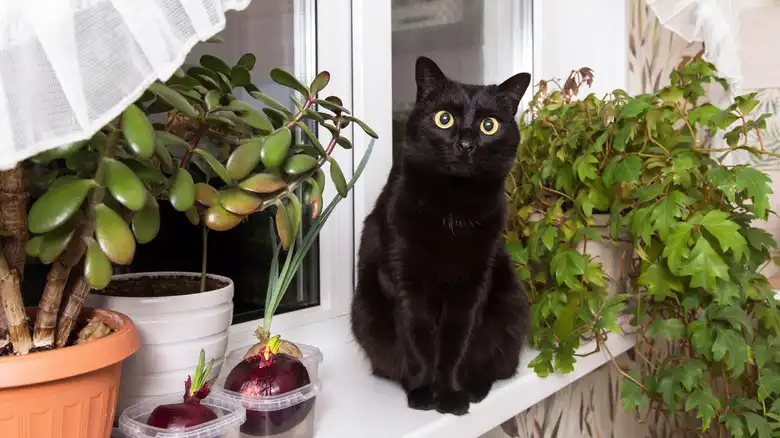
5 Cat-Safe Houseplants To Freshen Up Your Space
CatsCat Health5 Cat-Safe Houseplants To Freshen Up Your SpaceBySanaphay RattanavongFeb. 1, 2025 1:25 pm ESTViktor Sergeevich/ShutterstockPlant-related toxicities remain one of the most prevalent causes of emergency calls to pet poison control centers across the United States. This highlights a serious but often overlooked household safety concern. According to the ASPCA's Animal Poison Control Center, they fielded over 400,000 calls in 2023, with toxic plant exposures representing a substantial portion of these emergencies. This alarming figure underscores the hidden dangers that many common houseplants can be poisonous to cats, especially curious cats hell-bent on nibbling novel greenery.For cat parents, the challenge of creating a vibrant, plant-filled home without compromising pet safety is all too real. Thankfully, you don't have to choose between greenery and your feline friend. There are a variety of cat-safe houseplants, including five stunning ones that are not only safe for cats but also easy to care for and visually captivating. You can keep your cat and your plants living in perfect harmony. However, if you suspect your pet has ingested potentially poisonous substances, it's always best to contact Animal Poison Control.Spider plants are a classic houseplantJennifer McCallum/ShutterstockMeet your friendly neighborhood spider plant, a perennial favorite for plant enthusiasts. Known for its long, arching leaves and air-purifying qualities, this plant thrives in a variety of conditions, making it perfect for beginners. Plus, its cascading foliage adds a dynamic, elegant touch to any room. What truly sets the spider plant apart? Its resilience. Even if your fur baby manages to menace its leaves, this hardy plant can quickly bounce back, making it both beautiful and practical.Beyond its visual appeal, recent studies have highlighted the spider plant's ecological benefits. It shows resistance to pests like the two-spotted spider mite. Additionally, its adaptability to various climates underscores its resilience, even in challenging urban settings.Spider plants thrive best in bright, indirect light — though they can also handle low-light conditions — and should be watered only when the top inch of soil feels dry. Overwatering can lead to root rot, so it's essential to keep an eye on moisture levels. As is true for many plants, increased temperatures should be balanced with increased humidity. Finally, consider hanging baskets or elevated shelves to display these plants and keep them safely away from your feline friends. Additonally, these tips on getting your cat to stop eating household plants can keep them nibble-free.Boston fern, clean green for humid spacesBenoit Bruchez/ShutterstockFew plants can match the Boston fern when it comes to bringing lush greenery into your home. Moreover, it's former NASA researcher Bill Wolverton's top pick when it comes to indoor air purifying plants. With its feathery fronds and vibrant green hue, this plant adds a soothing, verdant vibe to any room. It's especially well-suited for humid areas like bathrooms or kitchens, where it can thrive in its ideal environment. Being both NASA and kitty-approved, the Boston fern is the quintessential win-win of houseplants.Beyond being a favorite among astronauts, terrestrial research underscores the Boston fern's value in maintaining healthier indoor spaces. It has been shown to reduce CO2 concentrations and stabilize air temperatures, making it a natural ally for eco-conscious homeowners. As for care, the Boston fern does best in direct light but can tolerate partial shade. Additionally, they need consistently moist soil without waterlogging. If your home tends to be dry, a quick misting routine will help raise humidity levels. Try placing your greenery near a shower or sink for the perfect balance of moisture, warmth, and cat-safe cover. If your furry friends insist on munching on the leaves, consider trying this lemon hack or aluminum foil trick to deter them.Orchids, the refined cat-friendly bloomsMaryviolet/Getty ImagesIf sophistication had a name, it would be the orchid. These graceful plants are celebrated for their long-lasting blooms, vibrant colors, and air of refinement. Thankfully, they're also generally non-toxic to cats (and dogs), making them a perfect choice for pet owners seeking a touch of elegance in their homes. With a variety of species to choose from, you're bound to find one that suits your aesthetic while keeping your feline friends out of harm's way. However, it should be noted that not all types of orchids have been tested for toxicity. While the most popular orchids have been deemed non-toxic to pets, more exotic and rare orchids should be treated with extra caution when it comes to your pets.Orchids have remarkable adaptability, including their responses to environmental stressors. These traits are due, in part, to unique genes that enhance their ability to cope with challenges like salt stress. Orchids also have fascinating ecological roles, such as their intricate relationships with pollinators like fungus gnats, showcasing the complex beauty of nature.Orchids thrive in bright, indirect sunlight, making a sunny windowsill the ideal spot for their delicate blooms. When watering, it's important to do so sparingly. Allow the soil to dry out slightly between waterings to avoid root rot. Be sure to place orchids in well-draining pots and keep them away from areas with fluctuating temperatures, as consistency is key to their health and longevity.The parlor palm, feline-safe with low-light sophisticationNew Africa/ShutterstockFor a touch of the tropics that thrives in low light, the parlor palm is a standout choice. Native to the rainforests of Guatemala and Mexico, with slender, arching fronds and a low-maintenance nature, this cat-safe plant is perfect for creating a sophisticated, calming atmosphere in your home. As a slow grower, the parlor palm doesn't demand frequent repotting or trimming. This makes it a great option for plant enthusiasts who prefer minimal upkeep.In the forests of its native Central America, the parlor palm plays an important role in forest understory biodiversity, which generally makes up the largest plant diversity in a given system. Its ability to purify air and its minimal water requirements make it an eco-friendly choice for indoor living.The parlor palm thrives in indirect light but can also tolerate lower-light conditions, making it a great choice for corners or areas without direct sunlight. Fun fact: The parlor palm got its common name from Victorian England, being able to thrive in the dim, candle- and lamp-lit parlors. Water the plant only when the top inch of soil has dried out, as overwatering can lead to root rot. For placement, consider spots with moderate light exposure, such as near a window or on a bookshelf, where its elegant fronds can be appreciated without overcrowding the space.Roses, a cat-safe classic beautyYimyimchan/Getty ImagesFew flowers evoke the charm and elegance of roses. Known for their romantic appeal, roses are surprisingly safe for cats, making them a wonderful addition to feline-friendly homes. While the flowers are non-toxic, it's wise to remove any thorns to prevent accidental injuries if your curious cat decides to investigate. Roses are possibly the planet's oldest flower with a fossil record of 30 million years. Not only is it a flower of the deep past, but also future frontiers. After spending time in space aboard NASA's Space Shuttle Discovery Flight STS-95, a rose plant dubbed "Overnight Scentsation" returned home imbued with a unique and pleasant scent that only the sustained lack of gravity could lend it. Moreover, the roses' adaptability to environmental stressors makes them not only ornamental, but also highly valuable in understanding how plants might thrive in an increasingly volatile world. Their therapeutic properties, such as antibacterial effects, further enhance their value beyond aesthetics.Roses thrive in bright, indirect sunlight, so placing them near a south- or west-facing window is ideal. They require regular watering, but it's crucial to make sure the soil drains well to prevent root rot. Once de-thorned, position them in an area with good air circulation and away from high-traffic zones to protect both the plant and your furry friend.
How Many Kittens Should You Expect Your Pregnant Cat To Have? It Depends, But There's An Average
CatsCat HealthHow Many Kittens Should You Expect Your Pregnant Cat To Have? It Depends, But There's An AverageByPaige MountainOct. 15, 2024 9:25 am ESTCatherine Falls Commercial/Getty ImagesIf your cat is pregnant, you are probably wondering how many kittens you should be prepared for her to have. Kitten litters are always going to vary in size, as the number of kittens a cat has depends on a number of factors. However, the average number of kittens a cat typically has is four. Cats usually give birth to around three to six kittens per litter, according to petMD, but it's possible for them to have fewer or more.When it comes to the number of kittens a mom has, trying to predict it isn't an exact science. However, factors such as age, breed, and health can play a role. Whether this is her first litter or if she's had babies in the past can also influence the amount of kittens a cat has. Read on to learn about some of the components that can impact the number of kittens in a litter.First litterBozhdb/Getty ImagesOne factor that can impact the amount of kittens a cat has is whether or not she has had babies before. Typically, a new mama cat's first litter is going to be on the smaller size in comparison to a mom who already had kittens in the past. If it is your cat's first litter, she may only have around one to three kittens, per Cats.com. If your cat hasn't been pregnant before, you might not know what to expect or how to tell if she is pregnant. Some signs to look out for include vomiting, weight gain, swollen pink nipples, and possible behavioral changes such as being overly affectionate. If you suspect your cat could be pregnant, take her to a vet where they can conduct an ultrasound to conclude if your cat is pregnant. You should be aware, however, that an ultrasound will not be able to tell you how many kittens your mama cat is expecting, just if she is pregnant or not.AgeTatyana Soares/ShutterstockAnother major component that determines how many kittens a cat has is her age. Even though a younger cat may have a small litter if it's her first, younger moms also tend to have bigger litters after their initial one. When cats start to get older, their litter size tends to decrease.Cats are able to get pregnant when they start their heat cycle, so it's important to know that this can occur when they are very young kittens. While heat cycles usually start around somewhere between the five to nine month mark, some kittens can start them as young as three months old, per petMD. Unlike humans, cats do not experience menopause, meaning it's possible for them to still get pregnant even in their senior years. However, pregnancy can negatively impact the health of an older cat. To prevent pregnancy, get your feline spayed as soon as possible to stop your cat from being in heat.Health and stressnoraismail/ShutterstockThe overall health of your cat can also influence how many kittens she may have. If your cat is sick or dealing with an underlying condition, there's a chance she could give birth to a smaller litter. Cats that are malnourished will also likely have a litter that leans on the smaller side, and they are more inclined to experience pregnancy complications.Stress is another factor that can affect the amount of kittens your kitty has. If your cat is stressed out, there's a chance she will also give birth to a litter that is smaller than normal. There are multiple signs that could indicate your cat is stressed, with a few of them being overgrooming, aggression, going to the bathroom outside the litter box, and hiding. If your pregnant cat appears to show any signs of stress, take her to the vet to rule out any problems she could be facing and to figure out what is potentially causing her stress.Breed and geneticsWestend61/Getty ImagesThe breed of your cat can also help determine the amount of kittens she is going to have. Tammy Sadek, a veterinarian, told Chewy, "Siamese-type cat breeds often have larger litters, Persian-type cat breeds often have smaller litters and Manx cats lose one-fourth of the kittens in every litter if bred tailless to tailless." Other breeds that are prone to having larger litters include the Burmese, Abyssinian, Ragdoll, Maine Coon, and Oriental Shorthair.Along with breed, genetics can also be a factor when it comes to how many kittens a mama cat will have. Knowing how many kittens your cat's mother had when she was pregnant can be helpful in determining the amount yours will have, but might not always be completely accurate. There's a high chance you most likely don't know the extensive genetic history of your feline, so it's best to not get fully set on a certain amount of kittens before your cat gives birth.Number of suitorsFernando Trabanco Fotografía/Getty ImagesWhen a cat is pregnant, there's a chance the kittens could be from multiple different fathers. It's possible for female cats to get pregnant from more than one male cat and give birth to all the kittens in a single litter, a process called superfecundation. The number of kittens belonging to a certain father can vary, but it's possible for each kitten in a litter to have a different dad.Superfecundation can also impact a cat's final litter size. Since a mama cat can be impregnated by multiple different tomcats and give birth to their kittens all in one litter, she'll likely have more babies with those multiple fathers than she would if her kittens shared a single father. The father's genes can also influence the number of kittens in a litter, just like a mother cat's fertility does.
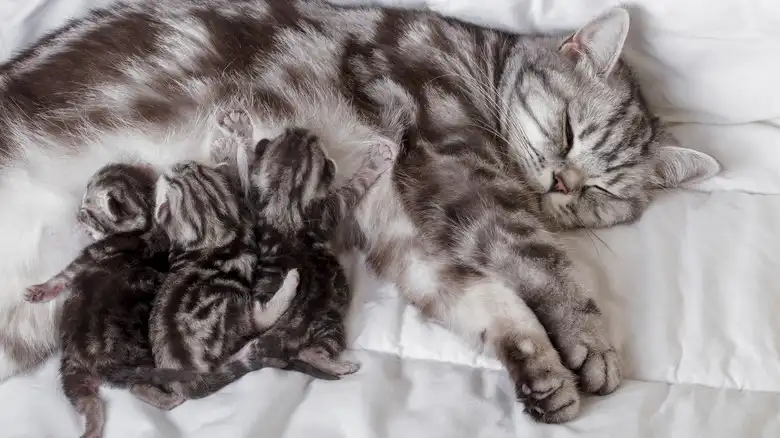
How Long After Giving Birth Can A Cat Get Pregnant Again? What To Know
CatsCat HealthHow Long After Giving Birth Can A Cat Get Pregnant Again? What To KnowByPaige MountainOct. 19, 2024 9:25 am ESTViorika/Getty ImagesIf your cat ever gets pregnant, you might wonder how long it can take for her to get pregnant again. Once a cat gets their heat cycle after giving birth, it means they are once again able to get pregnant. Some cats get their heat cycles very quickly after giving birth, with some being in heat just a week after having kittens.While some cats may get their heat cycle as early as a week after giving birth, some cats won't go into heat until a few weeks after their kittens are fully weaned, which is typically around eight weeks post-pregnancy. How long it takes a cat to get pregnant after giving birth can depend on a number of factors, such as if it's mating season and if they are interacting with unfixed male cats. Even though it's possible for cats to get pregnant very soon after giving birth, it doesn't mean it's safe, and can actually cause negative effects on their bodies.How to tell if a recent mother cat is in heat or pregnantWestend61/Getty ImagesAfter your cat gives birth, there are signs you can look out for to let you know if your cat might be in heat again. Unlike canines, felines do not bleed during their heat cycle, so you have to rely on your female cat's behavior to indicate if they could be in heat or not. Some common signs of a cat in heat include increased vocalization, increased affection towards both humans and cats, and restlessness. A cat in heat may also start urinating more often. If you notice any of these behavioral changes in your cat shortly after giving birth, it could mean they are in heat and thus able to get pregnant again.If you are worried your recent mother cat may be pregnant again, there are also some telltale signs to look out for. While you most likely won't notice much change in their stomach until they are further along in their pregnancy, there are a few early signs that could indicate your kitty is pregnant. One common sign will be a change in their nipples, usually becoming bigger and more pink. Your cat may also experience certain behavioral or appetite changes when they are pregnant.How to prevent your cat from getting pregnant againPixel-Shot/ShutterstockIf you're worried about your cat getting pregnant again after giving birth, you can take steps to prevent this. The best way to stop your cat from being in heat and to prevent her from getting pregnant is to spay her. Spaying a cat will not only keep her from getting pregnant but can also be beneficial for her health, preventing certain diseases.If your cat isn't fixed yet, you can take some other steps to try and prevent her from getting pregnant in the meantime. If your kitty typically goes outdoors, keep her inside and away from any unfixed male cats until she has been spayed and get her fixed as soon as possible. When it comes to when a cat can be spayed after having kittens, it's usually recommended to wait to do the procedure until a few weeks after her kittens have been weaned.
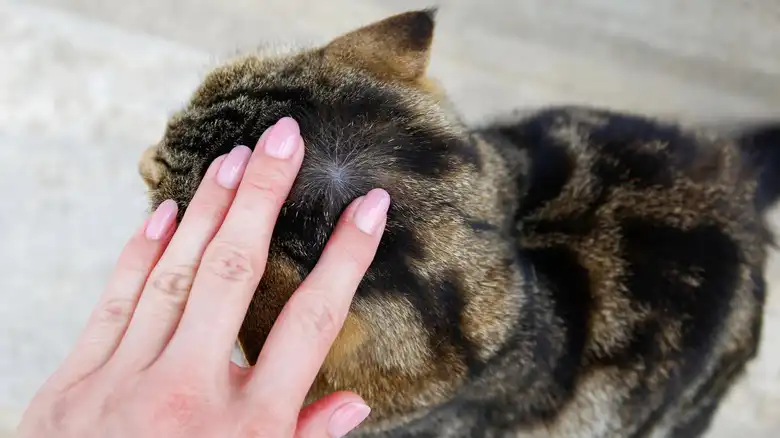
Home Remedies For Lice Treatments For Kittens
CatsCat HealthHome Remedies For Lice Treatments For KittensBySanaphay RattanavongUpdated: Nov. 27, 2024 2:22 pm ESTVictoria 1/ShutterstockWe may receive a commission on purchases made from links.Although less common than fleas, lice infestations in kittens are serious enough to warrant quick action. These tiny, wingless insects — felicola subrostratus, a type of chewing louse — spend their entire three-to-four week life cycle on the host animal, feeding on their skin. In addition to being gross, a lice infestation can lead to complications like severe skin irritation, hair loss, secondary infections, or anemia, particularly in young kittens who are vulnerable. This is why early detection is crucial. Some signs of a lice infestation in a kitten include excessive scratching, biting, or grooming, as well as patchy hair loss and a scruffy coat.Typical lice treatment is similar to the way one gets rid of fleas in kittens. It involves a multi-week course of washing the animal with medicated shampoo and applying topical anti-parasticic medications like fipronil, selamectin. However, young kittens may not be old enough to receive some of these treatments. The FDA specifically approves selamectin and fipronil for cats that are at least 8-weeks old. Although some vets may make exceptions, if your kitten is younger than this and dealing with a lice infestation, certain at home-remedies may be able to help. Treat your kitten's lice at homeAnton Pentegov/ShutterstockOne of the safest ways to manage a lice infestation is with a comb. Twice a day, use a fine-toothed flea comb like Kopal Stainless Steel Pet Lice Comb and run the tool from the top-to-bottom of your cat, targeting hard-to-reach areas like the head, neck, and tail. It may help to wash them beforehand to wash your cat with warm water and dish soap to wet the fur. Repeat this process for several weeks until another lice life cycle has completed and you can verify all new nymphs are gone. Keep in mind that kittens under 6 weeks of age are vulnerable to developing hypothermia, so be sure to towel dry them completely after every bath. According to pet parents, you can make combing the nits easier by applying olive oil to dry fur before a wash. Some claim this method will suffocate the lice, but there has yet to be any scientific studies that prove this. In any case, olive oil won't hurt your kitten and may soften their fur enough to make the experience more comfortable. Leave the oil on for 15 minutes before rinsing it off with warm water and apply at gentle soap that is safe for cats. Perform this treatment twice weekly for up to three weeks. In addition to these remedies, deep cleaning your house is critical to prevent reinfestation. Wash all bedding, toys, and grooming tools in hot water, vacuum thoroughly, and consider using a vet-approved environmental spray. Furthermore, if you have multiple cats, isolation is key if one is dealing with lice and the others are not. Keep the infested kitten separate until you can verify they no longer have an infestation. When used together, these measures can effectively manage lice while minimizing risks to your household.
You've Been Warned: Don't Ignore Your Cat's Stinky Breath
CatsCat HealthYou've Been Warned: Don't Ignore Your Cat's Stinky BreathByCori ChapmanDec. 12, 2024 9:25 am ESTQi Yang/Getty ImagesWe may receive a commission on purchases made from links.Given that cats feed on food like tuna, it's not so surprising that their breath doesn't smell like roses. After all, they don't have the ability to use products like dental floss and mouthwash like humans do. However, if your feline friend's breath has you covering your nose, it may warrant a deeper look. While stinky breath is not abnormal for cats, if it reaches a level of stench that is unbearable, it should not be taken lightly. According to Cornell University School of Veterinary Medicine, there are several concerning conditions that could be the culprit when your cat's breath is particularly unpleasant. Smelly breath — also called halitosis — can indicate signs of periodontal disease along with diabetes and diseases related to the kidney, skin, and liver.Periodontal disease is unfortunately quite common in cats — and painful. Some notable signs your cat may be suffering from the condition include bleeding gums, reduced appetite, abnormal coloring of the mouth (white, gray, or brown), and swelling around mouth and chin, per BetterVet. Gingivitis causes the gums to swell and bleed, so it is important to keep an eye on this before it progresses. You can tell if your cat has toothache or other dental issue by paying attention to their grooming and eating habits. A cat in pain will take longer to eat and clean themselves.Treatments for stinky breath in catsSata Production/ShutterstockBrushing your cat's teeth is a good way to prevent bad breath and also remove any food that may be stuck. There are specific dental gels for felines that can be found in stores or online. It is incredibly important to not use toothpaste that is not specifically for cats. The other point to remember is that brushing can get particularly tricky with some cats. But teasing a treat to go with it is a good way to trick them into a good brushing.If you are uncomfortable with brushing your cat's teeth, you can hire a professional, whether it be a pet groomer or a veterinarian. Pet stores like Petco offer dental cleaning services, but there are many other options. You can also purchase cat chew chows to promote playtime and dental health or dental chews that help keep a feline's teeth in good shape since they do not usually chew kibble. The only true remedy for feline gingivitis, meanwhile, is regular dental hygiene.There are several treatment options if your cat already has periodontal disease. For example, a veterinarian may remove plaque and mineral buildup while polishing the teeth. However, in extreme cases, they may extract teeth. There are veterinarians that specialize in dentistry, and there are benefits to bringing your cat to a specialist versus your regular veterinarian. Since they specifically focus on teeth, they will likely know more than a general veterinarian and ensure the best care.

Pet Owners Should Keep These Types Of Air Fresheners Out Of Their Home
Pet ParentingCleaningPet Owners Should Keep These Types Of Air Fresheners Out Of Their HomeByPaige MountainOct. 6, 2024 11:25 am ESTSupersizer/Getty ImagesPlug-in air fresheners are tempting to use, especially in a household with pet smells. However, while they might help keep your home smelling nice, these items can cause hefty damage to your animal companions. Dogs and cats have a much stronger sense of smell than humans, and the overpowering fragrances found in air fresheners often contain toxins that can irritate them. Plug-in air fresheners also typically tend to be placed lower to the ground, granting pets easy access and leading to the potential ingestion of toxic chemicals.Plug-in air fresheners contain volatile organic compounds (VOCs) due to their high vapor pressure, which allows them to quickly turn from a liquid into a gas or vapor. A 2011 study published in Environmental Impact Assessment Review that examined scented household products, including air fresheners, "found 133 different VOCs emitted from the 25 products, with an average of 17 VOCs per product. Of these 133 VOCs, 24 are classified as toxic or hazardous under U.S. federal laws, and each product emitted at least one of these compounds." Most of these ingredients were not disclosed on the labels. The list of VOCs found in air fresheners includes phthalates, which are toxic to cats, and formaldehyde, which can cause respiratory and skin problems in pets.Effects of air fresheners on petsShveyn Irina/ShutterstockIf you've ever noticed your pet leaving the room after plugging an air freshener in, chances are they are impacted by the scent. If your dog or cat keeps sneezing and coughing, taken note, as these are some of the first signs that they are having a reaction to breathing in an air freshener. Other notable symptoms include gastrointestinal issues, lethargy, and discharge in the eyes or nose. Inhaling the chemicals found in air fresheners can also cause respiratory issues, especially in cats. Dr. Patrick Mahaney told PetMD, "Cats have had an increase in feline asthma as a result of living in households where there are air fresheners, incense and cigarette smoke—or even just the aroma of cleaning products."Along with inhaling the fumes, if your pet happens to get their paws on an air freshener and eat or lick it, there can be consequences. The severity of symptoms will vary depending on what and how much your pet ingests, but gastrointestinal problems, such as throwing up and diarrhea in both dogs and cats, are some of the main outcomes you can expect to see. Your pet could also experience negative effects if they get air freshener fumes on their skin or fur and proceed to groom themselves.How to keep pets safe and plug-in air freshener alternativesIzalysonarts / 500px/Getty ImagesWhen it comes to plug-in air fresheners, it's best to avoid them completely if you have pets in the home to prevent any potential issues. However, if you absolutely can't part with your scented plug-ins, take precaution when using them. Never place an air freshener near a spot your pet consistently uses, such as a litter box or their food and water bowls. Also, only plug them into outlets that your pets can't reach. If you notice your pet starting to have any symptoms, it's best to remove the air freshener or move it to a room your pet doesn't go in to.There are pet-safe alternatives to traditional plug-in air fresheners you can use to make your home smell better. If pet odor is what you're trying to mask, some air purifiers are safe for pets and may help reduce those smells. If you use air fresheners because you enjoy their scent, consider other ways to add fragrance to your home, such as growing pet-safe herbs or burning candles with non-toxic ingredients like beeswax.
The Action You Can Take To Make Your Cat Comfortable After A Move
Pet ParentingThe Action You Can Take To Make Your Cat Comfortable After A MoveByRosie GovinFeb. 11, 2025 11:25 am ESTOlga Kri/ShutterstockMoving is an extremely big, stressful life event — and it's even more difficult if you have a cat. While you're packing up your life, labeling your belongings, cleaning your old place, and having movers come in to transfer boxes to your new home, your cat is probably confused, scared, and wondering just what is going on. Luckily, you can learn how to introduce a cat to a new home in a way that keeps them as comfortable as possible throughout the whole, unnerving process.Weeks before you actually move, you want to get your cat comfy being around their carrier. Set it up in an area where your cat frequently hangs out and let them explore during the stress-free period. The next thing to consider is leaving your cat's belongings out as late as possible in the packing process. They're already going to sense that something is different as you pack your stuff, so don't disturb their routine until you absolutely have to.Once you are in your new place, first of all, congratulations! Your cat will likely be more than a little freaked out. The most important thing you can do after you move is to make your cat as comfortable as possible. Set up one room as a safe haven to introduce them to for the first few days. If you let them loose in a brand new place, chances are very good that they will get confused and spooked and may hide in a place you haven't even found yet.How to set up your cat's safe havenSolstock/Getty ImagesThere are several ways to minimize your cat's distress once you let them out into their brand-new environment. First, you want to kitty-proof the place — especially the room you're introducing them to. This means closing windows, tying up cords for your blinds, and tidying electrical cords and surge protectors. Whichever room you pick to keep them in for the first few days should contain their litter box, food, water, and favorite toys, including trees and scratching posts. As much as possible, it should be a room that has lots of familiar objects, meaning familiar furniture and décor. It's also a good idea to keep their carrier out and available to them in this safe haven. It will act as a familiar hiding spot they can retreat to if they're upset or afraid.Finally, make sure you visit with your kitty often while they're getting used to their safe haven. Spend as much time there as you can cuddling, petting, and interacting as much as they allow. Use some techniques for comforting a scared cat, like having a consistent "starting gesture" and rewarding their calm behavior with treats. If it's possible, it's also a good idea for you to sleep in that room with them — bonus points if your kitty's safe haven is your new bedroom.How to introduce your cat to the rest of your homeBymuratdeniz/Getty ImagesOnce your cat seems to be fairly comfortable in their room, it's time to open up the door and let them explore the rest of their new home. However, before you do this, make sure to prep the space and make it as safe as possible for your kitty. Learn how to cat-proof your home and take the time to check every corner and hiding spot.You know your feline friend best. If they attack your blinds, put them up. If they dig through the trash, get trash cans with lids. It's a new place for both of you, and once your kitty starts exploring, they're almost guaranteed to rifle through something they weren't supposed to or discover a new way to scratch a wall. It's all about minimizing their chances to do something destructive while keeping everyone safe and comfortable in the process.For a few days, only let your cat out if you can supervise them. If you have too much to do or are leaving for a while, they can spend more time in their room. Once your kitty roams your whole new home without a problem, you are welcome to move the litter box and their food and water out to wherever makes the most sense. The most important thing is to follow your cat's lead. Some will be very quick to adapt and may only need a few days in their safe haven while others can take weeks or months to get comfortable in a new setting. Regardless, a little time and patience will help your kitty adjust.

Are Candles Safe To Use Around Pets? Here's What We Know
Pet ParentingAre Candles Safe To Use Around Pets? Here's What We KnowByPaige MountainOct. 7, 2024 9:25 am ESTIzalysonarts / 500px/Getty ImagesUnwinding by lighting your favorite candle and relaxing with your pets might actually cause you more stress than serenity. When it comes to burning candles around your animal companions, there are many risks to consider. Candles pose a clear fire hazard, especially amongst curious cats. If they decide to explore a lit candle, cats can get hard-to-remove wax stuck in their fur and, more severely, burn themselves. Candles, especially on low surfaces, can also cause issues with canines, with dogs also getting hard-to-get out candle wax stuck in their hair and potential burns on their paws that may require home remedies or professional treatment. Beyond these obvious dangers, many candles contain chemicals and essential oils that can be harmful to the canines and felines in your life. Essential oils that are toxic to both cats and dogs include tea tree, peppermint, cinnamon, and citrus, among others, so it's important to read candle ingredients carefully.However, just because some candles are risky for your pets doesn't mean you need to cut them out of your life for good. If kept out of reach and closely monitored, certain candles can be okay around dogs and cats. Because many scented candles contain essential oils that could be toxic to your pet, the unscented variety are the best bet when it comes to your furry friends, according to GoodRx Health. Along with opting out of scent, choosing a candle made of natural ingredients, such as beeswax, can prevent your pets from being exposed to potentially dangerous chemicals.Signs your pet might be affected by a candleIryna Imago/ShutterstockEven when using a candle that seems to have safe ingredients, dogs and cats might still have a reaction due to their heightened sense of smell. Sneezing or coughing are signs your pup or kitty could be affected by a candle. If your pet is already prone to respiratory issues, burning candles can also worsen these problems. While these effects are only mild, it's important to watch for more serious signs your pet might be experiencing.If your dog or cat vomits, appears lethargic, experiences difficulty walking or breathing, exhibits muscle tremors, or has a burn, you should contact your vet right away, as these could be signs of essential oil poisoning. While candles with essential oils are dangerous to all pets, they can be especially harmful to cats. Many essential oils metabolize through the liver, and cats do not have the necessary enzymes to metabolize them properly.Candle alternatives for use around petsPixel-Shot/ShutterstockIf you'd rather not risk your pet getting burned by a candle but still want the option to use scent in your home, there are other options out there. Even though many essential oils are toxic to animals, PetMD states that some are safe to use around dogs, making diffusers a potentiel candle swap for households with canines. However, in a separate article, it recommends not using essential oils around cats (including in diffusers) due to their increased sensitivity to them.While some experts say essential oils shouldn't be used around cats at all, others, such as those interviewed by Outward Hound, say that it's fine to use pet-safe oils in moderation around both kitties and pooches. However, due to a cat's strong sense of smell, they might still be sensitive to essential oils that are considered safe. If planning on using essential oils in your home, it's best to do your research and find the best way to go about doing so safely for you and your pets.While candle ingredients may sometimes be unclear or hard to find, a diffuser allows you to control the amount of essential oils you are emitting and make sure they are pet-friendly. Or, if candles are less about scent and more about ambience for you, flameless candles are a safer way to create this effect while preventing your pet from getting injured, burned, or inhaling potentially dangerous oils. In the end, it's important to do your research and consult a vet when using any candle or candle alternative.

Can Cats Have Bacon?
CatsCat HealthCan Cats Have Bacon?ByJennifer Kelly GeddesUpdated Mar 21, 2023VeselovaElena/iStock/GettyImages #p114bee2e9f217cc68ee1b52eb2e8fff9, #p114bee2e9f217cc68ee1b52eb2e8fff9 img { aspect-ratio: 5760/3840; height: auto; }Bacon is a staple in most American households, and dropping a little piece of people food into your cat's bowl is a habit in which many of us engage. But is bacon safe for cats? And can cats eat raw bacon if you're opening a package and your kitty suddenly appears at your feet?You may think you're rewarding your pet or showing love by offering table scraps, but certain foods can be a problem for feline digestion, and others may be downright dangerous. Before you make a habit of sharing your breakfast with your kitty, speak with your veterinarian.Is bacon bad for cats?Is bacon bad for cats?There's a reason that what you eat every day is called "people food." Feline nutrition is a careful balance of the vitamins, carbs, and healthy fats that cats need to grow and thrive. Bits from the kitchen counter can mess with this important mixture, particularly foods like bacon that are high in calories and salt.More Like ThisCatsCan Cats Eat Onions?CatsCan Cats Eat Chicken Bones?CatsCan Cats Eat Sweet Potatoes?Keep in mind that fat trimmings from a piece of steak or a pork chop are a definite no-no (and bacon is often very fatty itself). When this high-calorie bit of protein is given to a cat, the result could be vomiting, diarrhea, or even a case of pancreatitis. Your best bet is to stick to a healthy, vet-approved diet for your cat and don't offer anything from the table. This way, your kitty won't come to expect a little piece to be thrown her way every time you fry bacon.Table foods to avoidChalabala/iStock/GettyImages #pf05ffd76187cd0a8fa456cd12cd4102a, #pf05ffd76187cd0a8fa456cd12cd4102a img { aspect-ratio: 6324/4216; height: auto; }Table foods to avoidKeep a list of the table foods to avoid feeding your cat prominently displayed so guests, your kids, and any cat sitter you employ can check it if they're unsure about a particular item. The most dangerous foods you can feed your cat include alcoholic and caffeinated drinks, which can slosh from glasses and cups onto the floor. Be sure to wipe up errant spills so your cat doesn't sample them. Chocolate is a no-go for cats and dogs alike, in part because it contains caffeine as well as another substance that can rev your pet's heart and nervous system.Animal bones may seem innocent enough, as cats kill mice and birds in the wild, but chicken bones and ribs are also on the danger list since they can break into dangerous splinters. Also skip anything from the onion family (garlic, chives, leeks), whether it's fresh or powdered. These items tend to show up on pizza crust, so refrain from giving these bits to your kitty. Lastly, never offer grapes, raisins, raw eggs (they're a source of bacteria), or yeasted dough.Tips for feeding your catTips for feeding your catFor optimal health, ask your vet about the best commercial brands of cat food for your pet depending on his age (kitten or adult cat), current weight, and other health issues. The portion sizes you offer should also match your cat's exercise needs and size. For a very active cat, you may need to offer 20 percent to 40 percent more food above his maintenance level so he has enough fuel to get through the day. For a cat who is a big lounger, a little less than the standard amount (10 percent under) is a good rule of thumb.Astrid860/iStock/GettyImages #ee2bd55dbff3cad5ba0ca217ba2dc1c7e, #ee2bd55dbff3cad5ba0ca217ba2dc1c7e img { display: block; aspect-ratio: 1.5Strive to feed your cat twice a day and always offer fresh water for good hydration. Check the weather as you scoop kibble too since very low (and high) temperatures require more food, as keeping warm and cooling off take extra effort and calories. If your kitty is on the tubby side, put his bowl down for a set amount of time. Once that moment is over, remove it.ReferencesBanfield Pet Hospital: What Pets Should Never EatAmerican Society for the Prevention of Cruelty to Animals Pet Health Insurance: Top 10 Unsafe Foods for CatsAmerican Kennel Club: What to Do if Your Dog Eats ChocolateAmerican Society for the Prevention of Cruelty to Animals: Cat Nutrition Tips
Warning Signs Your Cat Enjoyed Too Much Catnip
CatsCat HealthWarning Signs Your Cat Enjoyed Too Much CatnipByPaige MountainOct. 7, 2024 3:25 pm ESTlarisa Stefanjuk/ShutterstockPull out a catnip toy, and there's a good chance your kitty is going to go wild. Cats are drawn to catnip because it contains chemicals that make them feel blissful and happy. It tends to cause temporary behavior changes, which can differ based on the cat, and explains why our feline friends become different kitties when the catnip comes out. Some cats may grow more relaxed, while others will experience a surge in energy. However, though small doses of catnip aren't bad for your cat, too much of this feline favorite herb can actually be troublesome.While it's impossible for cats to overdose on catnip, they can experience some adverse effects if they consume large quantities of it. The signs vary depending on how your kitty took in the herb. Eating too much catnip will usually cause an upset stomach in cats, with symptoms such as vomiting and diarrhea. Additionally, if your cat inhales too much of the aroma, they could get dizzy and struggle to walk.Thankfully, the manifestations of overexposure to catnip don't tend to last. "If you believe your cat has ingested too much, you should just give your cat some time. Effects of catnip are typically short lived, up to 30 minutes," Dr. Carly Fox shared with Newsweek. "But if your cat develops vomiting and/or diarrhea that is persistent, you should have them checked out by a veterinarian." You can also take steps towards preventing this from happening by choosing more ideal forms of catnip and limiting your feline's access to it.The best types of catnip for reducing the chances of a bad reactionLarisa Stefanuyk/Getty ImagesCatnip comes in many forms, including toys, dried, fresh, sprays, and treats, and certain types may work better for your cat than others. If you're worried about your kitty consuming too much catnip and experiencing negative effects, or maybe they've already had an upset stomach from catnip in the past, catnip treats might be a good way to give them a small dose.Catnip spray may also be one of the best options when it comes to keeping your cat safe around this herb. Spritzing a small amount on your cat's belongings, such as their toys or furniture, can give them the positive effects of catnip without the risk of them eating too much of it. It's best to try out lower quantities of catnip at first to see how your feline responds, as some cats won't react to it at all.How much catnip to give your catDaria Kulkova/Getty ImagesThe best way to prevent your cat from getting sick from catnip is to not overdo it. "It is suggested to use a little at a time so that you don't overstimulate the cat," Kimberly Simmons, DVM, told Business Insider. Dried catnip is typically found in catnip toys and one of the most common forms cat owners tend to use. If you plan to give your kitty loose, dried catnip, Simmons advised starting with a small amount (around one teaspoon or so) to gauge how your cat reacts. The same quantity can be given of fresh catnip if you prefer to grow your own.Catnip toys are typically safe for daily use. However, cats may no longer react to catnip when exposed to it continuously. If you notice your cat appears bored with their catnip toy, put it away for a bit. This will allow them to have a break from potentially experiencing the adverse effects that come with smelling too much catnip, as well as enable them to feel the effects of catnip again.
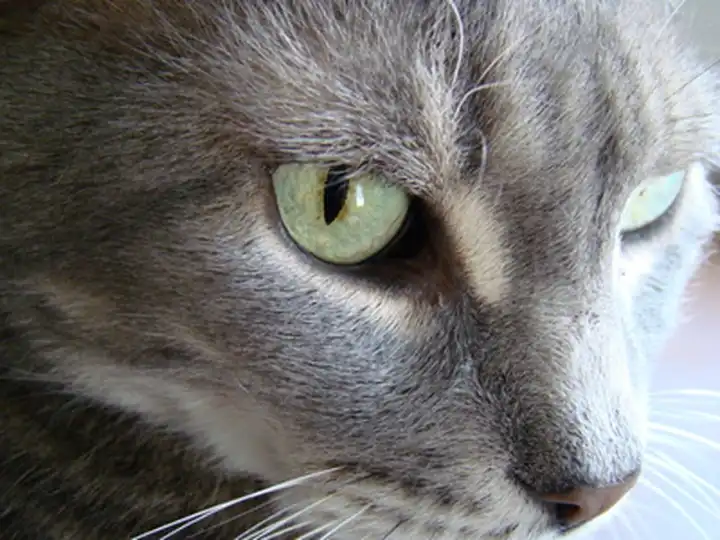
Natural Dewormer For Cats: How To Deworm Your Cat Naturally
CatsCat HealthNatural Dewormer For Cats: How To Deworm Your Cat NaturallyByKylie Ora LobellUpdated Apr 17, 2023We may receive a commission on purchases made from links.Cuteness may earn compensation through affiliate links in this article.You believe that your cat has worms, but you don't want to do a deworming treatment. Instead, you may want to treat deworming your cat naturally to see if it helps.While natural treatments can certainly be effective, make sure you ask your veterinarian if it's OK. You don't want to accidentally harm your cat while you're trying to treat her condition.As long as you have approval from your vet, you can naturally deworm your cat and ensure she is happy, healthy, and worm-free.MihailUlianikov/iStock/GettyImages #eeb1581391ed01936d64e586746a5298d, #eeb1581391ed01936d64e586746a5298d img { display: block; aspect-ratio: 1.4986776373788What types of worms do cats get?What types of worms do cats get?Cats can get tapeworms, which are long and flat white worms that have hook-like mouths. They attach themselves to the wall of your cat's small intestine, and survive by feeding on the nutrients that pass through your kitty. They can be 8 to 20 inches long. The tapeworm will mature and shed parts of itself, which will then go into your cat's feces. This is how you can spot tapeworms in your cat – they look like small and white grains of rice or strands of spaghetti. Your cat may also have symptoms like difficulty breathing, coughing, diarrhea, frequent vomiting, or gagging. Cats can also get roundworms, hookworms, and non-intestinal worms, but tapeworms are the most common. Its scientific name is dipylidium caninum.How to deworm your cat in natural wayHouse Cat image by phizics from Fotolia.com #p9af781e5caacbd4fff97e7e9e332b86f, #p9af781e5caacbd4fff97e7e9e332b86f img { aspect-ratio: 400/300; height: auto; }How to deworm your cat in natural wayYou can use raw pumpkin seeds to naturally deworm your cat by grinding the seeds fresh every day. Then, put 1 tsp. per 10 lbs. of your cat's body weight per day into her food.Additionally, you can try utilizing food-grade diatomaceous earth by adding it to all of your cat's meals. You can ground this sedimentary rock into a powder and sprinkle about an ounce of it on her food. Important note: Make sure you don't get the pool-grade diatomaceous earth, as it could be toxic to your cat and is not meant to be eaten.Another option is to mix fresh, mixed garlic into your cat's food just one time per day. Give your cat only a pinch of it at first because she may be reluctant to eat it. Garlic could kill the parasites, prevent your cat from getting them, or both.You may be able to put your cat on a fast for 24 hours so that the worms starve and die. Just make sure you talk to your veterinarian before doing this, and ask about the optimal way to go about it.Preventing your cat from getting wormsAleksandr Zubkov/Moment/GettyImages #p7464518600c32b35a406dde4f2cb02bd, #p7464518600c32b35a406dde4f2cb02bd img { aspect-ratio: 4500/3000; height: auto; }Preventing your cat from getting wormsYou'll need to prevent your cat from getting worms in the future following treatment. Fleas can give your cat worms, do ask your veterinarian what kind of flea treatment is best for your cat. Then, if there is an infestation of fleas, wash all of your cat's bedding and thoroughly clean any places where you see fleas, like her litter box. If you have other pets in your home, treat them for fleas as well. You could also spray the yard with anti-flea spray, but just look at the label to see if it's safe for pets.Remember that cats can get other types of worms by consuming infected prey such as rats and birds, drinking contaminated milk from their mother if they're still a kitten, coming into contact with another infected cat or animal, or playing in or licking contaminated soil. If your cat goes outdoors, try to get her to stay in your yard so she doesn't interact with other infected animals, and clean up any contaminated soil outside of your home.Using a regular dewormer on your catUsing a regular dewormer on your catWhen you take your cat to the vet, the doctor could give your cat an oral or injectable medication in order to get rid of the worms. Typically, these are safe, but if you're worried about any side effects or your cat has had a bad reaction in the past, then let your vet know.Lulamej/iStock/GettyImages #e00be0df4326549e6423e5f2533fd36d2, #e00be0df4326549e6423e5f2533fd36d2 img { display: block; aspect-ratio: 1.4510030864198Cat deworming productsCat deworming productsThere are certain natural cat deworming products you can purchase online. They include DiatomaceousEarth Food Grade Powder, which is organic, chemical-free, and made from 99.9% pure silica with no additives. Along with hopefully deworming your cat, it can also improve your cat's coat, metabolism, digestion, and appetite. If you properly store it, it'll never expire. You can also use it to absorb litter box moisture as well as get rid of smells.Another option is Wholistic Pet Organics Wormer, which is diatomaceous earth powder. It's organic, food-grade, and it can be taken either internally or topically. This product is HACCP and GMP certified in all 50 states, and it's audited and inspected by the NASC. Aside from deworming your cat, it will also help absorb harmful toxins, and it could promote stronger bone structure since it contains a significant amount of calcium.ConclusionConclusionIf your cat has worms, you can use raw pumpkin seeds, food-grade diatomaceous earth, garlic, or a 24-hour fast to naturally deworm her. Just make sure you clear any treatment options with your veterinarian first so you can keep your cat safe and content.Always check with your veterinarian before changing your pet's diet, medication, or physical activity routines. This information is not a substitute for a vet's opinion.ReferencesThe Natural Pet Doctor: Top Natural Remedies for Natural Dewormers in Dogs & CatsHill's: Dealing with Tapeworms in CatsPrestige Animal Hospital: How Worms In Cats Are Contracted
Cat Mating Call: How To Stop Female Cats Calling
CatsCat HealthCat Mating Call: How To Stop Female Cats CallingBySusan ParettsUpdated Apr 7, 2023Elena_Bessonova/iStock/GettyImages #p12cdaf7650cc80895ab31469151c2c6c, #p12cdaf7650cc80895ab31469151c2c6c img { aspect-ratio: 4608/3072; height: auto; }You love your cat, but if she's constantly calling out, her caterwauling could quickly drive you up a wall. There are many reasons your cat might be calling out, including being in an uncomfortable situation, but the main one is that she's in heat and wants to mate. Fortunately, there are many things you can do to stop the cat's calling and keep them quiet so that you both can have some peace.Although some cat breeds are more vocal than others, constant calling isn't normal. Once youidentify the causeof your kitty's calling, you can start to deal with this unwanted behavior, whether through medical intervention or behavioral adjustments. Soon, the two of you should be living in blissfully quiet co-existence. All it takes is a bit of patience and probably a trip to the vet.Cats calling because they're in heatCats calling because they're in heatOne of the main reasons that female cats call out is because they are in estrus, commonly referred to as being "in heat." Female cats begin having heat cycles when they are approximately six months old during the warmer months of January until September, according to the VCA Hospitals website. Your cat will be in heat and able to become pregnant during her cycle for about six days every 24 days or so.A cat in estrus has a desire to mate and will begin calling and yowling incessantly to let available male cats know that she is ready to mate. She will also meow to be let out, so she can find a mate in the area. If she does end up mating, she will make blood-curdling yowls during the process.A cat in heat is annoying. To deal with a house cat in heat, keep her away from open doors and warn guests that she may try to escape. Ignore the crying and keep her confined to the house to prevent her from mating during this time and producing unwanted litters of kittens.Get your house cat spayedGet your house cat spayedThe easiest way to stop a female cat in heat from calling out is to get her spayed.Spayingis a medical procedure that your veterinarian can perform. During this operation, he will remove your cat's reproductive organs, including her ovaries and uterus, according to Vetinfo. After being spayed, your cat will recover at the vet, possibly overnight, before coming home.A house cat who is spayed won't have the urge to mate anymore. This should end her incessant calling and yowling to be let out. This way, you won't have to deal with a cat in heat being annoying. Spaying also prevents litters of unwanted kittens and certain cancers from developing, like mammary and ovarian cancers, so it's a good idea all around, says PetMD.To stop cats calling in the first place, have your cat spayed between 2 and 5 months of age, before her first estrus cycle. Remember, there is no medical reason to let your cat go into estrus or have kittens before being spayed. If your cat is currently in estrus, your vet will likely wait until after she is no longer in heat to perform the operation.A mother cat and kittensA mother cat and kittensIf your cat has recently had kittens, she may be crying to get their attention. This is especially true if you have found a female cat in distress who may have a litter of kittens she is trying to reach. Check the area around where you found the mother cat or in your backyard if your cat has access to it.Once you locate your cat's kittens, create asafe spot indoorsfor them to cuddle up in together. Provide the mom with a kitten-specific food that is richer in calories than regular cat food. This will allow her to properly nurse her young and keep up her strength.If your cat has recently had a litter of kittens and lost that litter, she may cry for them for a short period of time after the loss, searching for them. Allow her to grieve for the kittens, and the behavior should soon subside.Your cat might be injuredYour cat might be injuredIf your house cat is injured, she might be calling out becauseshe's in pain. You might also notice that she's hiding, shaking, lethargic, limping, or doesn't want to eat, according to Vetinfo. The only way to know for sure is to get her to a veterinarian as soon as possible for a checkup.Be sure to let your vet know when she started calling and how her behavior has changed. Your veterinarian will thoroughly examine your cat physically for injuries and take X-rays if necessary to determine if any bones are broken. Once she gets treatment and is healed, your cat shouldn't call out any more because she will no longer be in pain.Dealing with an alarm clock catDealing with an alarm clock catAs silly as it sounds, sometimes cats simply call out to get your attention because they arehungry.For example, if you feed your cat in the morning when you wake up, she may try to wake you sooner by calling out to get your attention for food, according to PetMD. This is especially true if you feed her at the same time each morning except on weekends and want to sleep in.To combat an alarm clock cat, leave out some dry kibble for your cat to nosh on throughout the night, so her tummy won't be empty come morning. Or set up atimed feederthat will automatically give her a breakfast portion at the same time each day without you having to do anything.Most importantly, don't immediately react to your cat's calls for food by feeding her. This only reinforces this behavior. Instead, ignore her until she's quiet and then feed her.Combating cries for attentionCombating cries for attentionIf you've ruled out a medical issue, your female house cat may simply be meowing tocall for your attention. To stop this type of behavior, simply begin ignoring your kitty when she cries for attention, after determining that everything with her litter and food is fine. Then, as soon as she is quiet, reward her with praise and treats so that she learns being quiet gets a good result and being loud doesn't.When your cat vocalizes again, simply walk away and ignore her until she's quiet, then lavish her with attention again, recommends the ASPCA. Pretty soon, she'll learn that vocalizing won't get her the results she desires but being quiet will.It's also important to set aside some time during the day, even 10 to 15 minutes, toplay with your cat. This helps the two of you bond and tuckers your cat out so that she won't be as apt to cry for your attention. After all, she knows that she's guaranteed your attention during these sessions. Sessions close to bedtime also prevent your cat from calling out during the night because she'll be more likely to be asleep.Medical conditions that cause callingMedical conditions that cause callingSome medical conditions may cause your cat to begin vocalizing and calling out. Painful conditions like kidney disease and urinary tract infections can lead to cats calling. You may even notice that your catcalls out in painwhen she uses the litter box. Other diseases like cancer and an overactive thyroid can lead to your cat crying because she doesn't feel good and is in pain.If your cat is already spayed, she's regularly crying out, and doesn't seem to be herself, it's best to head to the vet for a checkup. Routine blood work, a urine test, a fecal test, and a physical exam will let your vet know if there are any health conditions affecting your cat and causing her noisy behavior. Treating the medical condition should alleviate her calling and get your kitty feeling like her quiet self again.Elderly cat vocalizationsElderly cat vocalizationsAs your cat ages, she can develop a cognitive problem similar to Alzheimer's disease in people. This condition, known asfeline cognitive dysfunction(FCD), can make her anxious, disoriented, and confused, leading to distressed calls for help when she gets lost in her own home. Typically your cat may begin suffering from FCD as early as 11 years old and this disease is especially common in cats between 16 and 20 years of age, according to the ASPCA.Bring your senior feline to the vet for a checkup if she starts to vocalize and appears disoriented or confused. He can examine her and put her on medication to help with this condition. You'll also want to tire her out by using wand toys to play with her before bedtime so she'll be more apt to sleep through the night. That's because many cats suffering from FCD tend to vocalize and wander the home at night when they wake up and become disoriented.Most importantly, keep her mealtimes and the locations of her meals and litter boxconsistent. This way, she'll be less likely to become disoriented by her surroundings and won't vocalize to express her discontent.Calm unpleasant cat interactionsCalm unpleasant cat interactionsIf you have a multiple cat household, not all your kitties may get along. Your female cat may be reacting to another cat in your household with her calls. Cats vocalize at each other when theyfeel threatened, so you may need to establish peaceful co-existence in your household.Once you've identified which cat is bothering your vocal girl kitty, try separating the two and slowly re-introducing them to each other through a baby gate. Do fun things like feed them on each side of the gate and give them treats so that they associate the presence of the other with good things. When you don't hear anymore vocalizations, start to let them interact normally. Eventually, the cat yelling should subside.Outside cats threatening your cat's territoryOutside cats threatening your cat's territorySometimes outdoor cats can come around your home, spooking your girl cat who may vocalize at them through the window, says Modern Cat. Cats view other cats who they aren't familiar with asinvadersin their territory, which can lead to unpleasant vocalizations and even inappropriate elimination within your home.To gently dissuade outside cats from coming around your home and bothering your house cat, install motion-sensitive sprinklers in the areas that they frequent. These sprinklers won't harm the cats, just scare them away with water. You may also want to limit your cat's access to windows where she can see outside cats. This should curtail her vocalizations.Things to avoid doingThings to avoid doingWhen your cat calls incessantly,never punish her or physically harm herin any way. This will only serve to terrify your cat and possibly injure her as well. It won't fix the cause of the calling, which is what you want to identify and combat.Another thing to avoid is lavishing your vocalizing cat with attention, assuming a medical condition has been ruled out. If she is sick, you can feel free to make her feel as comfy and loved as possible, but if she's not, then giving her attention when she calls will only encourage this behavior.Don't ignore your cat completely until you've ruled out that she has plenty of food to eat, access to her litter box, and that nothing else seems to be amiss. This way, you know that she may only be calling for attention and not because she's in distress.Always check with your veterinarian before changing your pet's diet, medication, or physical activity routines. This information is not a substitute for a vet's opinion.ReferencesVCA Hospitals: Estrous Cycles in CatsVetinfo: What to Expect from Cats' Behavior after Being SpayedPetMD: What Age Should You Spay or Neuter Your Cat?Vetinfo: 7 Common Cat Pain SymptomsPetMD: Top 3 Reasons Why Cats Are Better Than Alarm ClocksASPCA: Meowing and YowlingModern Cat: 12 Sounds Cats Make and What They MeanASPCA: Older Cats with Behavior Problems
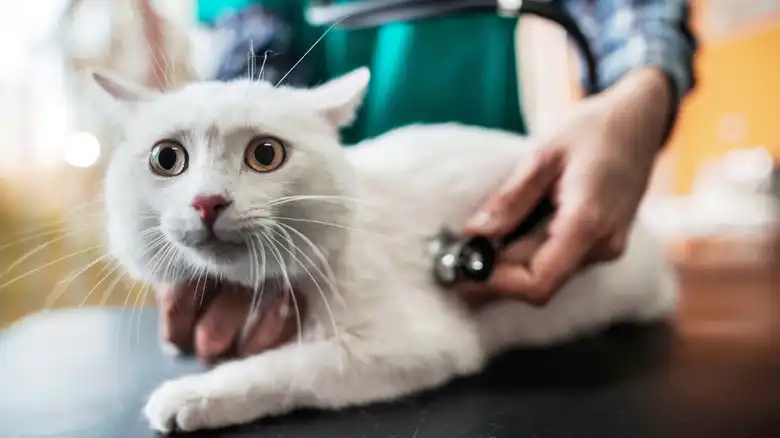
Warning Signs That May Mean It's Time To Find A New Vet
Pet ParentingWarning Signs That May Mean It's Time To Find A New VetByColt DoddJan. 20, 2025 9:05 am ESTBrauns/Getty ImagesWhen it comes to ensuring your pet's well-being, there's nothing more important than having a skilled veterinary team in your corner. You should feel confident that when trouble arises, you have a medical professional committed to addressing your concerns and setting your pet on the path to wellness. Unfortunately, there comes a time when you must consider whether your current veterinarian truly understands your pet's needs.You know your pet better than anyone, and you should trust your instincts if you're unsure whether they're receiving quality medical care. For example, if you feel that you're constantly being nickel-and-dimed for minor services ($50 for a simple nail trim?), you may consider whether you're being viewed as a person or a profit. If you feel that your veterinarian doesn't have the nuanced knowledge to treat your pet, you might need to switch to a specialist.Choosing another veterinarian isn't personal, and often, it boils down to a difference in personality rather than a knowledge issue. As a pet owner, you have the right to make informed decisions regarding your pet's health, along with choosing providers that prioritize their well-being.Your veterinarian doesn't communicate properlyAzmanl/Getty ImagesYou should walk away from a vet visit fully understanding the details of your pet's treatment, diagnosis, and overall well-being. If you don't like your vet's communication style, this could prove more than inconveniencing; it could also lead to miscommunications regarding your pet's health. 2021 research from PLoS One emphasized that communication is critically important to both owners and veterinarians looking to improve animals' health. If you don't understand your pet's wellness profile, then you can't understand the implications this has for their well-being.The study found that there are three communication challenges veterinarians face: language barriers, time constraints, and the involvement of multiple clients for a single pet. While these factors can undoubtedly cause complications when determining a course of treatment for your pet, they're not insurmountable. You deserve to have a veterinarian who speaks your language, makes time for your appointment, and delivers information to those who need it. You also deserve to have information in your preferred format, whether that's over the phone, text message, or email.You question their expertiseFranckreporter/Getty ImagesThere are many scenarios in which you may question whether a veterinarian has the skill, knowledge, or training needed to address your pet's health concerns. For example, your veterinarian may shrug off serious symptoms, such as persistent lethargy, loss of appetite, or pale gums. They might not even give you a chance to express your concerns or share other information about your pet's health history.Here's another scenario in which you may question a veterinarian's knowledge and skill: you don't get your questions answered. If the veterinarian can't or won't address your concerns (or makes you feel bad for asking), you can't make informed decisions –– and that's not putting your pet's well-being first.You may also doubt a veterinarian's expertise if they rely on "old school" treatment methods. PetMD explains that one such method is using sugar and honey to prevent lesions from becoming infected. While this offers the same end result as bandaging the wound, it's not exactly the newest, most cutting-edge knowledge. Out of personal preference, you may prefer a veterinarian in touch with the latest treatment methods.The veterinarian's clinic feels chaoticVm/Getty ImagesAfter being up all night with your reverse-sneezing puppy, you walk into the vet's office and are immediately hit with the smell of urine. As you approach the front desk, the employees seem harried, and you're deafened by the sound of barking as you're led into an examination room. The door closes, and you wonder whether you'll actually meet the vet or get lost in the shuffle.This is a scenario that plays out all too-commonly in some chaotic veterinary practices. Staffing issues, time constraints, and an overwhelming number of patients can take their toll. Ultimately, this can create a stressful environment in an already stressful situation. Not only could this cause your pet's condition to worsen (as stress may lower the immune system's response), but it could affect your rational decision-making.A veterinary clinic should be a peaceful, sterile environment that's centered on creating a positive experience with your pet's healthcare needs in mind. Feeling free to speak with staff, voice concerns, and explain your pet's symptoms can empower you to take an active role in their care. Calm and cooperative care is the key to making vet visits less stressful for your pet.You feel taken advantage of financiallyJavier Zayas Photography/Getty ImagesIt's tough to think about, but ultimately, vet clinics are businesses. They operate by providing services and charging enough money to make a profit. Of course, this isn't to say that veterinarians are money-hungry and don't care about animals. Yet the financial aspect of vet clinics is something to keep in mind if you're feeling pressured to pay for certain services (such as excessive diagnostic testing) or are generally overcharged, potentially leaving you with a vet bill you can't afford.There's no denying that caring for a pet can come with many hidden costs. But how do you know the difference between the industry standard and being exploited? Forbes shares that the average vet visit cost $61 in 2024, although this price could be higher based on whether your pet has unique healthcare needs, such as requiring the services of a specialist. The publication also notes that annual vaccinations for cats and dogs average about $25, while treatments for cancer can be around $4,000.Here's a good way to see if you're being overcharged: Call local vet clinics and inquire about the cost of services you've been quoted for or used. Then cross-reference the details they provide with your latest vet bill or invoice. Armed with new information, you can decide for yourself whether your vet is charging you too much, or if it's just a result of inflation.There never seems to be availabilityManu Vega/Getty ImagesPreviously, you may have been able to get an appointment with your vet within a reasonable timeframe. Nowadays, it seems like you have to wait weeks for a slot to open up –- and it's never at a good time. While not every vet clinic has flexible hours or allows for walk-ins, if you consistently can't book an appointment with your vet, this could have long-term implications on your pet's health.For example, you may get frustrated with the lack of scheduling and neglect to have your cat vaccinated for rabies. Then, when they get into a fight with a racoon months later, you fear they could have contracted the disease. In another scenario, your dog may suffer an acute illness and need to be seen immediately. Having to wait even a few hours could be detrimental. It's vital that your pet has regular access to vet care when they need it most. Prevention is pivotal to keeping your pet happy and healthy.Your pet needs specialized medical careUnless your veterinarian is board-certified in a certain type of practice (e.g., internal medicine, surgery, dentistry), they're likely the animal equivalent of a primary care doctor. They're the first line of defense when treating common illnesses and injuries, and they'll refer out to specialists for conditions beyond the scope of their knowledge. It takes a skilled veterinarian to understand the boundaries of their training and connect a patient with a colleague.Unfortunately, not every veterinarian accepts their limits. They may run test after test, never getting any closer to a definite answer. Meanwhile, you're constantly paying for examinations and medications, all while your pet's health never improves. As a responsible pet owner, it's important to understand when it's time to consider visiting a veterinary specialist. That way, you can make the call, even if your primary care vet never recommends it.You may consider taking your pet to a specialist if they need exploratory surgery for something like a tumor. You may also need to visit a radiologist to get x-rays and other images that can be used to diagnose your pet. Finally, you may also consider getting an opinion from a specialist if you suspect your pet has heart problems.You don't have a relationship with your veterinarianAzmanjaka/Getty ImagesIdeally, you want a veterinarian who takes an interest in your pet, understands their health profile, and builds a relationship based on mutual trust. Together, you would be partners with the same end goal: ensuring that your pet lives a long, healthy life.If you feel rushed out the door, unheard, or overlooked while interacting with your pet's veterinarian, this relationship can't happen. The result is a one-sided approach to veterinary care that can prolong your pet's recovery and even lead to problems in the future. Frontiers in Veterinary Science published a study in 2019 that shared a direct correlation with positive veterinarian-patient relationships and feelings of satisfactory medical care. The data speaks for itself: relationships matter when bettering pets' health. Finding a veterinarian who's personally committed to managing your pet's long-term care may be easier than it sounds. Online reviews, word-of-mouth testimonials, and even phone consultations can connect you with a compassionate professional.You feel disconnected from veterinary resourcesAbraham Gonzalez Fernandez/Getty ImagesHave you ever heard the saying, "It takes a village to raise a child?" A similar sentiment applies to your pet's health. It takes multiple healthcare providers working in tandem to ensure that you're prepared for the unexpected. For instance, while your cat may have a primary care physician, you should have a backup in case your pet experiences an after-hours emergency. You should also have the numbers of poison control and other hotlines.Your veterinarian should offer information freely about hotlines, hospitals, and specialists, so you can make the right choices regarding your pet's health. You shouldn't feel as though you must rely on them for everything. If you feel as though you're backed into a corner with limited veterinary resources, this could be a sign that your veterinarian isn't acting in good faith. Overreliance on a single healthcare provider not only limits your options when emergencies arise, but it also cheats you out of other providers' perspectives.Not connecting patients to third-party resources is a red flag with some vet providers. It could show that they have a poor reputation in the veterinary community and don't have the connections that could benefit patients. There could also be a financial motive; your veterinarian may not want patients (and profits) walking out the door in search of additional help.Examinations only last a few secondsGorodenkoff/ShutterstockThe length of the average veterinary exam depends on multiple factors, from the reason for the visit to the animal itself. In a 2014 study involving small animal consultations, Vet Record noted that the average examination lasted anywhere from 51 seconds to just over 45 minutes. GenuisVets shared slightly different results, noting that the average dog examination lasted 30 minutes.If it seems like your veterinarian barely examines your pet, this could pose multiple challenges. Firstly, you may feel financially cheated if you paid hundreds of dollars for a seconds-long consultation, only to still have concerns regarding your pet's health. A cursory examination could also result in medical errors, such as incorrect treatment, the wrong diagnosis, or failure to act within a reasonable period.You want a veterinarian who takes the time to monitor your pet's vitals, check their weight, and use their specialized training to address your concerns. Thorough examinations go a long way in preventing medical errors that, while fairly uncommon in the veterinary world, according to Frontiers in Veterinary Medicine, can have catastrophic results.You feel judged for your pet's conditionMixmedia/Getty ImagesIt's a fact of life that animals get sick or injured — sometimes these things happen despite our best efforts. Cats can fall out of windows. Dogs might eat chocolate (which is toxic!). Even hamsters can get themselves into trouble. However, you should never, ever feel judged for seeking medical attention for your pet. Your veterinarian should approach you in good faith as a concerned pet owner who wants the best for their animal.Judging pet owners does nothing to improve animals' health; in fact, it may only increase the risk of medical non-compliance. A pet owner who feels shamed about their choices may not return to subsequent vet appointments, or they may feel uncertain about asking for clarity about treatment options. Both of these things can negatively affect a pet's chance of recovery.There are many resources online that connect pet parents with compassionate, knowledgeable veterinarians. For example, the U.S. Department of Agriculture has a search engine that helps people find accredited vets who treat everything from cats and dogs to laboratory animals. This is a great place to start when searching for a veterinarian who respects your autonomy as a pet parent. Searching for a professional with AAHA accreditation could also improve your chances.Your veterinarian mostly specializes in other animalsSimonkr/Getty ImagesA veterinarian who primarily treats cats and dogs may not have the knowledge or skill set to treat pets with more unconventional needs. For example, imagine that your axolotl swallowed a pebble, and you bring it to the same veterinarian who sees your dog. While your vet may offer generalized insight, their lack of specialization may fail to improve your pet's health. They may not recognize certain symptoms, recommend a risky wait-and-see approach, or even view your pet as "lesser than."Here's another concern with bringing your pet to a veterinarian whose focus lies with other animals. According to the Journal of the American Veterinary Medical Association, an increasing number of vets are treating exotic pets using "formularies to select drug dosages without consistently checking their sources." A veterinarian who does not primarily work with exotic pets may not see the errors in their calculations, which could lead to medication problems that jeopardize the animals' health.If your pet's veterinarian doesn't focus on your species' practice area, now is the time to search for a new one. Don't wait for an emergency to strike! Ensuring that your pet can be seen by the appropriate professional is key to promoting their health.Your pet's condition worsens or doesn't improveKrblokhin/Getty ImagesAfter seeking veterinary care, it could take a few days for your pet to heal depending on their condition. For instance, viral conjunctivitis may require three to four weeks to completely resolve. In contrast, two days of giving a dog Praziquantel can completely eliminate tapeworms. So, it's not unusual for treatments to take a varied amount of time.However, you know your pet better than anyone. If their condition worsens or doesn't improve after getting treatment, you may have concerns about their recovery. Upon hearing these concerns, your pet's veterinarian should spring into action, eager to address the issue and altering their treatment plan as needed. They shouldn't ignore your worries, let your phone calls go unanswered, or otherwise leave you scrambling for answers.There is also no room for error when it comes to certain medical conditions, like the dangerous bloat that dogs can experience. This condition can become fatal within hours if a canine doesn't receive the necessary treatment. Every minute matters! You have every right to get a second opinion from another vet if you're worried about your pet's health. Depending on your experience, you may choose to leave your old vet behind and stick with a solution-oriented professional.You feel pressured to buy extrasORION PRODUCTION/ShutterstockGoing to the vet's office should center around improving your pet's health, not feeling like you're being soft-sold extras. Here's an example of this in play. You're making an appointment to have your rat spayed. During the examination, your vet says that if you really care about your pet, you'll buy her specially-formulated rat food, vitamins, and accessories to enhance her quality of life. And guess what! You can buy all of those things in the clinic's lobby.This puts you in an awkward position. You shouldn't feel obligated to buy products sold at your vet's office, or that if you decline, your pet won't receive the attention they need. You should feel like your pet's veterinarian is truly invested in their health regardless of your budget or brand loyalties. Pets' health should come before profits. Period. You should consider other veterinarians if you feel that you're being seen as a dollar sign instead of a concerned pet owner.You never actually speak to the veterinarianFrazao Studio Latino/Getty ImagesCovid-19 had a major impact on the veterinary care industry. One result was the increased reliance on vet techs, (the animal medicine counterparts of nurses). During the pandemic, vet techs reported staffing shortages, an increased demand for veterinary care, and more responsibilities. While many vet clinics have resumed normal operations and have adjusted to their workflow, some haven't.As a result, some pet parents find themselves playing a game of telephone regarding their animals' care. In these scenarios, a vet tech will take the pet's vitals, listen to the owner's concerns, and then share this information with the vet. Then, they'll serve as the middleman, relaying messages from the vet who may never examine the animal themselves. This can lead to miscommunication, misinformation, and generally feeling dissatisfied with the quality of care.There's no doubt that vet techs are knowledgeable professionals who care about animals. Yet, when you go to the veterinarian's office, you want to talk to a vet. There's no substitute for getting information about your pet's health directly from the source. Speaking face-to-face with your pet's veterinarian ensures you understand the treatment options available and helps lay the foundation for a positive working relationship.

Pica In Cats: Why Is My Cat Chewing On Non-Food Items?
CatsCat HealthPica In Cats: Why Is My Cat Chewing On Non-Food Items?BySassafras LowreySep 11, 2023 11:03 am ESTAnita Kot/Moment/GettyImages #p68241d5e113c826a5653e8a1a47a5253, #p68241d5e113c826a5653e8a1a47a5253 img { aspect-ratio: 6000/4000; height: auto; } In This ArticleWhat is pica in cats?Symptoms of pica in catsCauses of pica in catsHow to treat picaWhen to see a veterinarianThe bottom lineDo you have a cat who eats things they shouldn't? Although cats might bite or mouth at toys while they are playing, some cats don't just play with their mouth but they will chew and eat objects that are not food. Eating things, they find around the house can be very dangerous for cats and stressful for cat parents.What is pica in cats?What is pica in cats?Pica is a disorder that causes cats to chew and ingest non-food items. This condition can be dangerous for cats and is frustrating for cat guardians. Cats who struggle with pica will chew on, suck on, and often eat objects that are not food. Because what they are eating isn't edible, pica can make cats very sick from consuming objects that can't be digested. Eating things that are not food can cause cats to choke, or become ill. Cats may eat objects that can cause dangerous gastrointestinal obstructions requiring surgery to remove.More Like ThisCatsWhat Makes a Cat Stop Eating?CatsWhy Does My Cat Suck on Blankets?CatsWhy Is My Cat Licking Things?Symptoms of pica in catsSymptoms of pica in catsThe primary signs of pica to watch for is the behavior of eating, sucking, or chewing on objects that aren't food. If you notice that your cat is chewing on or trying to eat things they shouldn't, it's important to remove those objects from your cat's area immediately. Cats who eat objects that are not food can become very sick. Objects eaten can lead to intestinal blockages which are very serious. If cats eat objects that are not food, they may be choking, vomiting, have diarrhea, constipation, be straining to go to the bathroom in the litter box, or otherwise seem lethargic and unwell.Alex Walker/Moment/GettyImages #e8c06d5ba5cb493b4f1f4f79fd9fa5ece, #e8c06d5ba5cb493b4f1f4f79fd9fa5ece img { display: block; aspect-ratio: 1.3333333333333Causes of pica in catsCauses of pica in catsThere are a variety of reasons cats might develop pica. Some cats temporarily will show pica symptoms when they are young kittens and are teething, and pica is common in cats who experienced early weaning, or being separated from their mother and littermates too soon. Pica can be the result of a cat having anemia or being malnourished and have nutritional deficiencies in their diet. Some domestic cat breeds may have a genetic predisposition to pica. Cat breeds that commonly struggle with pica tend to be the "oriental" breeds, specifically Burmese and Siamese cats. Cats may also develop pica and pica behaviors in response to stress and anxiety when moving to a new home, or other stressful situations. For some cats wool sucking, or chewing on non-food items can become a compulsive disorder.Louise LeGresley/Moment/GettyImages #e56a6f229208235ae5e36273c82e07d0e, #e56a6f229208235ae5e36273c82e07d0e img { display: block; aspect-ratio: 1.500150466446How to treat pica in catsHow to treat pica in catsTreating pica in cats can be tricky because it's not always obvious what the cause is. To appropriately treat a cat's pica behavior, you and your veterinarian will need to determine the underlying medical conditions causing your cat to eat things that they shouldn't. Your veteran will likely run bloodwork and other tests to make sure your cat doesn't have health issues. This will allow your vet to determine your cat has nutritional deficiencies that could be leading to the behavior. Your vet will review your cat's diet and may recommend changing cat food.Prevention is key for keeping your cat safe. If your cat has pica you will need to be diligent with cat-proofing your home and removing objects that your cat could chew or eat from areas of your home where your cat is including electrical cords, shoelaces, plastic bags, rubber bands, and other dangerous objects. Instead you'll want to provide lots of safe cat toys and enrichment opportunities including safe chew toys, and cat trees for appropriate playtime. You'll also want to reduce the stress that your cat experiences as anxiety can be a component of leading cats to nibble things they shouldn't. In some cases, your cat's veterinarian may prescribe anti-anxiety medication for your cat, or refer you to an animal behaviorist if that is believed to be an underlying cause of the behavior.Hugo Abad/Moment/GettyImages #ec29d2d30a1a76c5c9cbbd3bd69dbd91b, #ec29d2d30a1a76c5c9cbbd3bd69dbd91b img { display: block; aspect-ratio: 1.5When to see a veterinarianWhen to see a veterinarianAny unusual behavior from your cat should be brought to your veterinarian's attention. Your veterinarian will be able to run tests to determine if your cat has any health conditions that are leading to the pica behaviors. If you know that your cat has been chewing on or trying to eat things that are not food and is acting lethargic, vomiting, or seems unwell, contact a veterinarian immediately. This could be a sign that your cat has an obstruction and needs immediate veterinary care, possibly surgery. In that case your cat will be examined, and if there is an obstruction which could be life-threatening.Abraham Gonzalez Fernandez/Moment/GettyImages #e14cb4120713e465ec8d9dc36fb1773bb, #e14cb4120713e465ec8d9dc36fb1773bb img { display: block; aspect-ratio: 1.5002675227394The bottom lineThe bottom lineIf you notice that your cat is starting to chew on objects or eat things that are not food your cat may be struggling with pica. Pica can occur in cats who are struggling with anxiety, were weaned too early, or who are struggling with stress and anxiety. Pica is a dangerous behavior for cats because the non-food things that cats eat can make them very sick. Cats can ingest objects that will cause them to choke. Cats can also eat items that are too large to pass and cause intestinal blockages that require emergency surgery.
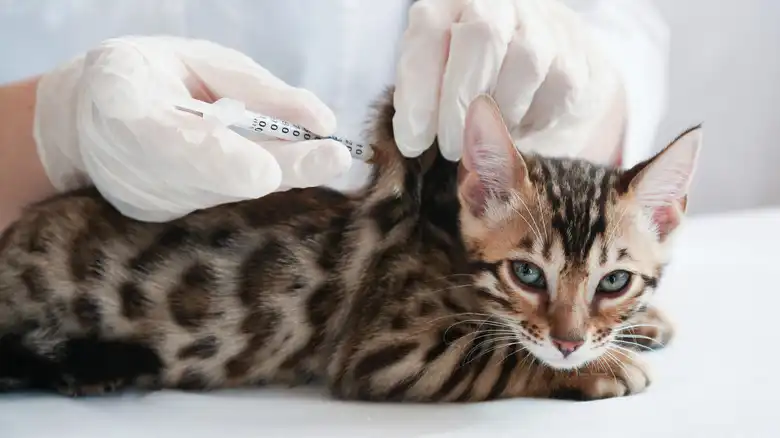
The Most Common Side Effects Of A Rabies Vaccination In Cats
CatsCat HealthThe Most Common Side Effects Of A Rabies Vaccination In CatsByJessica DesrosiersNov. 25, 2024 9:25 am ESTDina Damotseva/Getty ImagesThroughout most of the U.S., it's mandatory for cats to have a rabies vaccine. There's a good reason for this. Rabies has no cure, and when an unvaccinated cat contracts the disease, there's no option but euthanasia. Having your cat vaccinated against rabies is also required if you plan to travel or fly with your cat on a plane. This is because rabies is a zoonotic disease — one that can affect people as well as other animals. It's vital for all cats — even ones who stay indoors — to receive a rabies vaccine. However, as is the case with any immunization, your cat may experience some minor side effects after receiving their rabies shot. Thankfully, the chances of this happening are rare. According to a 2005 study by the Journal of the American Veterinary Medical Association of over 2,500 cats, fewer than 0.5% had an adverse reaction to vaccines, including rabies. But, even with the low risk, it's wise to be aware of even the mild side effects so you can provide your cat with the best post-vaccine care.What to expect after your cat's rabies vaccineGorodenkoff/Getty ImagesThe good news is the most common rabies vaccine side effect is mild soreness at the injection site. However, if your cat is more sensitive, they may show signs of lethargy, a decrease in appetite, and swelling. These typically show up a few hours after the injection and dissipate within a few days. If you want to make the experience more comfortable for your cat, give them a comfortable space to rest, and try not to pet the site where they received the shot.There are some more serious side effects to keep an eye out for, such as an allergic reaction. This looks like hives, severe swelling, facial swelling, or pain and lethargy. If you do notice signs of a severe allergic reaction, seek veterinary care immediately, even if it's been several days since the shot. In extremely rare cases, vaccines can contribute to tumor called a sarcoma. Sometimes, these may appear up to several years after the vaccine was given, so be sure to take them in for evaluation if you notice any unusual lumps on their body.Nevertheless, these types of vaccine side effects in cats are still quite rare. Per the aforementioned study from the Journal of the American Veterinary Medical Association, reactions are more likely to occur when cats receive multiple vaccines at once. With that in mind, it's a good idea to have your cat receive their vaccines on different days to be on the safe side. Your vet can also administer an antihistamine or steroid injection before the vaccine to reduce the chances of a reaction. The rabies vaccine is usually administered once every three years, though some vaccines can be given annually. If your cat has a history of experiencing nay kind of vaccine reaction, your vet may recommend sticking with the 3-year plan.
Tabby Cat Lifespan: How Long Do Tabby Cats Live?
CatsCat HealthTabby Cat Lifespan: How Long Do Tabby Cats Live?ByBarbara Bean-MellingerUpdated Mar 24, 2023A tabby is not a breed of cat; tabbies are identified by specific patterns in their coats. These patterns occur in many different breeds along with an "M" marking of hair on the forehead. Each breed has its own estimated life span, but in general, indoor cats can live 12 to 18 years and even well into their 20s.RayTango/iStock/Getty Images #e6ba0ea2d77304d62e39e061b72ecd97d, #e6ba0ea2d77304d62e39e061b72ecd97d img { display: block; aspect-ratio: 1.5003533568905Tabby cat markings and colorsTabby cat markings and colorsTabbies can be any two colors, one lighter and one darker, and together, they make the pattern in the coat appear striped, spotted, blotched, patched, or ticked:Striped tabbies have vertical stripes down their bodies.Spotted tabbies have dark spots all over.Blotched tabbies seem to have a marble-patterned coat, sometimes called the mackerel pattern.Patched tabbies have patches of grayish-brown and orange or red in the tabby pattern.Ticked tabbies have the darker color on the tip of each hair.Sometimes, it's hard to see the patterns, especially on ticked tabbies, so look for the telltale "M" marking of hair that all tabbies have on their foreheads. Tabbies come in many colors. To determine a tabby's overall color, look at the markings and the tip of the tail. Note that these are not differences in cat coat types but color patterns. Since tabbies can be a range of different breeds, they can have different types of coats, such as short or long hair that is soft or more coarse.Tabby cat indoor and outdoor life spanNicolas Tassi / EyeEm/EyeEm Premium/GettyImages #p690e8050ae8b0d0fc457b77562ef9dd6, #p690e8050ae8b0d0fc457b77562ef9dd6 img { aspect-ratio: 4246/3072; height: auto; }Tabby cat indoor and outdoor life spanWhether a cat is mostly an indoor or outdoor cat has a huge effect on his potential life span. Indoor cats can be expected to live 12 to 18 years or more, but outdoor cats have a life expectancy of four to five years at most. This is due to the many risks and dangers that lurk outside, including being hit by a car. Other dangers are dog attacks; cat fights; predators like foxes, coyotes, alligators or other wild animals; and illnesses that cats can catch from other animals.Tabby cat temperamentTabby cat temperamentA tabby cat's temperament depends on the breed, not the tabby pattern. For example, many tabby Abyssinian cats could be expected to be very active, as if they're on a mission, while the American shorthair tabby will likely be even tempered and quiet. The Egyptian Mau tabby is probably quite athletic, the Maine Coon tabby is gentle and easygoing, and the sociable, spotted ocicat won't be the one hiding under the bed when visitors arrive.Tabby cat healthTabby cat healthEvery cat breed is prone to certain health conditions that might not affect another breed very often. Mixed-breed cats are less likely to have the health issues of either parent and are generally healthier. However, in spite of the genetics your cat inherits, you can have a great deal of influence over your cat's health and longevity by how well you care for your pet.For example, annual checkups with your vet will ensure your cat has the appropriate vaccines to prevent many illnesses that affect felines, and the vet can also catch problems at an early stage. If you do see that your cat is ill, calling your vet for advice or an appointment can be a lifesaving action. Be proactive and research what plants are poisonous to cats, and if you supplement your cat's diet with people food, know what foods can be toxic to cats.Scooping litter daily and changing it once or twice a week gives cats a sanitary, comfortable place they can count on. Have a cozy bed just for them, with blankets they can snuggle up to, even if they prefer snuggling up to you most of the time. Baths aren't usually necessary, but brushing their fur at least weekly keeps it from getting matted and dirty. Brushing their teeth helps them keep their teeth so they can eat healthy food when they are senior cats.Tabby cat nutritionTabby cat nutritionWhat you feed your tabbies can greatly affect their health. Ask your vet for recommendations for pet food for each stage of your cat's life. Kittens need food that promotes healthy development, creates strong bones, and contains the vitamins and minerals they need for growth. Adult cat food should provide energy and help them stay healthy. All cats need clean, fresh water daily. Then, as they become senior cats at age 11 and beyond, they need senior food that is easy to chew, preferably wet food, and more water to ward off constipation and renal failure.Tabby cat historydowell/Moment/GettyImages #p3176c4badf315bf49aff71fda3457217, #p3176c4badf315bf49aff71fda3457217 img { aspect-ratio: 6000/4000; height: auto; }Tabby cat historyTabby cats' ancestors are the striped and spotted African wildcats, whose patterned coats enabled them to hide among plants and grasses to spring on their prey and escape from their predators. It is believed that the Egyptians were the first to breed cats, and one legend claims that the M on tabbies' foreheads stands for Mau, which means "cat" in ancient Egyptian. Cats have been revered and cherished by many civilizations, and individual countries were enthralled by a particular tabby pattern.ReferencesAmerican Society for the Prevention of Cruelty to Animals: General Cat CarePetPlace: Life Expectancy in Senior CatsThe Cat Fanciers' Association: CFA BreedsAmerican Society for the Prevention of Cruelty to Animals Pet Health Insurance: Tabby Cat Facts
Is Borax Toxic? Here's An Explanation Of Borax Toxicity To Cats
CatsCat HealthIs Borax Toxic? Here's An Explanation Of Borax Toxicity To CatsByBarbara RubenUpdated Mar 17, 2023jakubzak/iStock/GettyImages #pd7bc6b3616f810e12309085a520e3e61, #pd7bc6b3616f810e12309085a520e3e61 img { aspect-ratio: 5319/3546; height: auto; }Ants are invading your kitchen, crawling from a crack in the wall to the cat's dish for a snack. At the same time, both you and your pet are feeling itchy. Maybe it's fleas. Instead of reaching for a can of insecticide, should you try Borax, which is often touted as a "natural" cleaner and insecticide?Using Borax at homeUsing Borax at homeBorax and other borates are derived from a naturally occurring mineral called sodium tetraborate decahydrate. Boric acid, which is labeled as a pesticide, is created when Borax is further processed with an acid, such as hydrochloric or sulfuric acid.You may have heard of 20 Mule Team Borax, a detergent booster and multi-purpose household cleaner, which has been around for more than a century. Much more recently, Borax's popularity has reignited as an activator for tweens who are obsessed with making slime.Borax is also used for killing fleas, making them severely dehydrated when they come in contact with the substance. Borax powder can be sprinkled on carpets and other surfaces for six hours to two days to kill fleas and their larva. It is then vacuumed up and disposed of.Similarly, Borax is used for killing ants. It's usually mixed with sugar to appeal to ants' taste buds for solid bait or with honey or maple syrup to make a paste that can be spread along ant trails in your house.Borax toxicityBorax toxicityBorax isn't just toxic to insects. It can be harmful to both people and pets. The American Borate Company's Safety Data Sheet on the substance says that "Animal ingestion studies in several species, at high doses, indicate that borates cause reproductive and developmental effects." It also warns that Borax is a mild throat and lung irritant if inhaled and is a serious eye irritant in humans. Borax can be absorbed through broken skin.Less than 5 grams can kill a pet or child, according to Dr. Angela Damant, D.V.M. The estimated lethal dose for humans is 15 to 20 grams.Poisoning symptomsPoisoning symptomsBecause cats are far smaller than humans and spend most of their time on the ground, near where Borax might be used for pest control, they are particularly susceptible to ingesting or breathing in Borax. Within two hours of contact, your cat may vomit, have diarrhea, stomach pain, or excessive thirst. She may cough or have respiratory problems if she has breathed it in. You may notice redness around the eyes, ears or nose as Borax can irritate these tissues. Ingestion of large amounts of Borax can cause renal failure.If your cat gets sickIf your cat gets sickIf your cat is experiencing these symptoms and you have used Borax to kill insects or for other uses around the house, suspect Borax poisoning. If you know your cat has ingested it, immediately take her to the veterinary clinic where she may get IV fluids to minimize the risk of kidney damage.Wash her with mild soap and water if it is on her face, fur, or paws, then monitor her for any signs of ingestion. Thoroughly vacuum carpets and wash floors to remove all traces of the substance.Avoiding exposureAvoiding exposureIf you use Borax for the laundry or other household purposes, consider putting it in a jar or sealed container rather than keeping it in a box that can be spilled by a curious kitty.Think twice about using Borax to kill bugs in your house. If you do use it, do not let either pets or children into the area where it has been spread. Vacuum it up thoroughly or wipe it off walls or floors before allowing your cat back into that area of the house. Never use Borax directly on your cat to kill fleas.Always check with your veterinarian before changing your pet's diet, medication, or physical activity routines. This information is not a substitute for a vet's opinion.ReferencesAlberni Veterinary Clinic: Borax: Unsafe for PetsFleabites.net: How to Use Borax to Kill Fleas SafelyPet Coach: Borate Poisoning in Dogs and CatsAmerican Borate Company: Safety Data Sheet – Borax Decahydrate
How Do I Keep My Cat Safe On Halloween?
CatsCat HealthHow Do I Keep My Cat Safe On Halloween?ByMila RingoUpdated Oct 9, 2023eli_asenova/E+/GettyImages #pccd112bd9de9cf1aa81d64a9f196ba6a, #pccd112bd9de9cf1aa81d64a9f196ba6a img { aspect-ratio: 5061/3428; height: auto; } In This ArticleHalloween decoration safetyCat Halloween safetyTrick-or-treatersHalloween nightThe bottom lineSpooky season is upon us, and getting ready for Halloween is an exciting tradition for many people. While Halloween is a fun holiday for humans, it can be scary and even dangerous for our pet cats. As you gear up for October 31, plan ahead to ensure that the feline members of your household stay safe and comfortable.Halloween decoration safety for catsHalloween decoration safety for catsMuch like Christmas tree ornaments, Halloween decorations can prove irresistible to curious cats. Cats can become tangled in lights, spiderwebs, and stringy decorations. When hanging these, place them high up and out of reach of cats. Check that your cat can't reach them by jumping onto furniture or shelves. If it's not possible to keep them out of reach indoors, move them outside or choose different decorations.If carving a jack-o-lantern is on your Halloween agenda, keep your pumpkin outside and away from inquisitive paws. The lit candles in jack-o-lanterns can be very attractive to cats, who may burn their nose or paws on them. Cats could potentially start a fire if they knock a jack-o-lantern over.More Like ThisCats18 Things People Who Grew Up With Cats Will UnderstandCats300 Female Cat Names For The Best Girl CatsCatsWhy Dogs Are Better Pets Than CatsWhen lighting your flame candle, choose a spot for it that is out of reach of them. Never leave a burning candle unattended with a pet inside. Flameless, battery-powered candles are a safer alternative. They come in a variety of styles to fit all your spooky decor needs.crisserbug/E+/GettyImages #ea932ef1bb214c0866a2b9b2a8a66fcdc, #ea932ef1bb214c0866a2b9b2a8a66fcdc img { display: block; aspect-ratio: 1.5Keep cats indoors on (and before) HalloweenKeep cats indoors on (and before) HalloweenAs your neighborhood gets into the Halloween spirit, the outdoors can become especially frightening for cats. The motion sensors, flashing lights, and noises of yard decorations can scare and disorient cats. A person wearing a Halloween costume can terrify cats, who are naturally wary of changes in their environment.Those with black cats are probably familiar with the superstition that black cats are unlucky, and you may have even heard that black cats are at risk of being deliberately harmed on Halloween. Luckily, there is no data to support the myth that black cats are in more danger than any other color of cat during the month of October.Alesmunt/iStock/GettyImages #ea1aead3b74ce36bb58fcb2729350b916, #ea1aead3b74ce36bb58fcb2729350b916 img { display: block; aspect-ratio: 1.4998211091234Still, any cat can become startled by decorations and costumes. When frightened, a cat's natural response to bolt can put them at risk of becoming lost, hit by a car, or stuck in a tight hiding spot.If your cat is allowed outside, put them on an indoor-only schedule once Halloween festivities begin. Your cat may not be thrilled about this arrangement, but it is safest for cats to stay inside to avoid becoming lost or injured.Trick-or-treaters and catsTrick-or-treaters and catsPassing out candy to trick-or-treaters is a favorite Halloween activity for many, but this tradition is far less enjoyable for our feline friends. With their excellent hearing, cats are particularly sensitive to loud or sudden noises. A night of continuous door knocking, doorbell ringing, and loud voices can be frightening for cats. Cats can be overwhelmed by a lot of people coming and going — especially while in costume.Cats are expert escape artists, and opening the door to trick-or-treaters provides an easy opportunity for them to bolt outside. If you plan to pass out candy, set up shop outside your front door to greet trick-or-treaters. This will keep you from opening and closing the door multiple times and will minimize the noise your cat will be exposed to. If you won't be home on Halloween night, set a candy bowl outside and tape a sign to your door instructing people not to knock.Keep Halloween candy in a safe place out of reach of your cat. There may be xylitol in Halloween candy, and this artificial sweetener is toxic to cats even in small doses. Candy wrappers and choking hazards like lollipop sticks also pose a danger to kitties.Theresa Donahue McManus/Moment/GettyImages #e31ce4d343cd8088d1869a209848e2324, #e31ce4d343cd8088d1869a209848e2324 img { display: block; aspect-ratio: 1.483793517407Keeping your cat safe on Halloween nightKeeping your cat safe on Halloween nightWhether you're hosting a Halloween party or heading out for the night, set your cat up in a quiet room away from noise and activity. Place food and water bowls, a litter box, and a cozy bed in the room. Give cat treats and attention to reassure your cat.A pheromone spray or diffuser can have a calming effect on nervous kitties. Odorless to humans, these products contain ingredients made to mimic a cat's natural pheromones.Both indoor cats and outdoor cats should have an ID tag and microchip with your contact information. Outdoor cats should be brought inside on Halloween for their safety.OsakaWayne Studios/Moment/GettyImages #efe281588c22f133c26da918663240ef3, #efe281588c22f133c26da918663240ef3 img { display: block; aspect-ratio: 1.5The bottom lineThe bottom lineBetween the decorations, costumes, knocking at the front door, and trick-or-treaters, Halloween can be a scary time of year for cats. Cats are sensitive to sound and changes in their environment, and they can become lost or injured outside during spooky season. These Halloween safety tips will ensure you enjoy the holiday while keeping your cat safe.ReferencesUSA Today: Black Cats Getting Harmed During Halloween is Just "Pure Myth"Sunnyview Vet Care: Xylitol Toxicity in Cats and Dogs
Why Your Cat's Rear End Smells Fishy (And What To Do About It)
CatsCat HealthWhy Your Cat's Rear End Smells Fishy (And What To Do About It)ByCynthia AnayaNov. 11, 2024 9:25 am ESTlarisa Stefanjuk/ShutterstockSince cats groom themselves regularly, they don't typically emit foul odors, unless they spend time outdoors. However, even an indoor cat can smell funky at times — specifically their rear ends. Yes, excrement and flatulence can obviously leave a temporary, residual stench, but a fishy stench can linger for much longer, leaving you wondering about the cause.Although rare, a fishy smell can be the result of a bacterial urinary tract infection. Per Pet MD, these are more likely to occur in older cats with certain medical ailments. Aside from a fishy odor, some signs your cat is dealing with a UTI include fatigue and producing a decreased volume of urine. If you suspect your cat's smelly tush is the result of a UTI, seek immediate veterinary care. A full course of antibiotics should cure the infection and the smell.However, a much more likely reason that your cat's tush smells like fish is clogged anal glands. Anal glands are small sacs located on each side of a cat's anus, beneath the skin. These pouches produce a fluid with a potent, foul smell that's usually released naturally in the cat's stool. However, sometimes the glands become impacted and don't empty themselves as well as they should, resulting in discomfort and a foul stench. Other tell-tale signs your cat is dealing with this biting or obsessively grooming their anal area or dragging their butt across the floor. The good news is a visit with your vet or local cat groomer can resolve the issue quickly, providing some relief for your feline friend and your nose. Clear impacted anal glands to get rid of fishy odorsPixel-Shot/ShutterstockIt's important to address impacted anal glands as soon as possible. If your cat's anal glands remain blocked, it could result in an infection or abscesses. The act of emptying a cat's anal glands is referred to as "expressing." The process is relatively quick, and can be done externally or internally, usually in under a minute. An external anal gland expression involves gently pinching the glands on either side of the anus together. An internal expression, meanwhile, requires gently inserting a finger into the anus. Both methods should result in the release of a soft, fluid-like discharge from the anus. Though it might seem straightforward, it's best to consult a professional for anal gland expression, as it can be quite difficult. Plus, you don't want to accidentally injure your cat. Many vets and groomers don't require an appointment for anal gland-related services, so your feline friend may be able to get same-day relief.Veterinarians typically charge $25 or more for the service, while groomers charge as little as $8 and up, though this may vary based on location. During the visit, it helps to have someone hold the cat during the expressing, especially if the cat is skittish or dislikes having their rear end touched. Once the glands have been emptied, the fishy odor should subside. However, if you notice the smell again later, it could be a sign of an anal gland disorder or other problem. Or, your cat may just need a diet change. Talk to your veterinarian about your cat's anal glands and ask for their recommendations, such as making anal gland expression a regular part of a routine vet exam. Keep in mind that though the process only takes 30 second to complete, they may charge an additional fee for this service. A groomer can also express a pet's anal glands, either as an add-on service or standalone service.
Be Cautious When Using Cleaning Wipes If You Have Pets
Pet ParentingCleaningBe Cautious When Using Cleaning Wipes If You Have PetsByPaige MountainOct. 3, 2024 9:25 am ESTZoranm/Getty ImagesWipes can be a convenient way to clean up around the house or quickly scrub your dog or cat after a romp in the yard. However, the chemicals cleaning wipes use to kill bacteria can be dangerous to your furry friends when they come in contact with their skin, are ingested, or inhaled. While cleaning wipes can be risky for pets, you typically won't need to give them up for good as long as you use them safely.Many popular cleaning wipes, such as Clorox and Lysol, contain chemicals that can be harmful to both dogs and cats. While not in all varieties, many cleaning wipes utilize ingredients such as alcohol and hydrogen peroxide that are dangerous to pets. Phenol is another chemical often found in cleaning wipes that is especially toxic to cats, and any product that includes it should be avoided if you have felines in your home.Signs your pet has been affected by cleaning wipesMariia Zotova/Getty ImagesIngesting the toxic chemicals in cleaning wipes can lead to various symptoms in pets, ranging from mild to severe. If your dog or cat consumes a small amount of these ingredients, they may only experience gastrointestinal problems, such as vomiting and diarrhea. However, they can also suffer from more severe symptoms like seizures depending on the composition and quantity. Along with the dangers that come with ingesting cleaning wipe chemicals, your pet could have a problem from inhaling their fumes. If you notice that your dog or cat keeps sneezing, coughing, or experiencing breathing difficulty while you use cleaning wipes, they might be having an adverse reaction.Never use disinfecting cleaning wipes to clean off your pet. The chemicals found in these products can dry out and irritate your cat or dog's skin, not to mention they could lick themselves and therefore ingest the toxins. Wipes may also contain "irritating compounds [that] might disrupt skin pH and cause skin problems," veterinarian Dr. Athena Gaffud told Rover. Some of the skin issues your pet could face include blisters, rashes, sores, and chemical burns.How to use cleaning wipes safelyAlena Lom/ShutterstockPets are curious creatures, and it's important to keep them safe around cleaning wipes when using them in your home. If you leave a surface you've cleaned unattended, your dog or cat might be inclined to see what's going on, which could lead them to possibly taking a taste of the cleaning product and thus ingesting toxic chemicals. If your pet happens to walk on the surface you used cleaning wipes on before it has dried, they could get chemicals on their paws and lick it off. Thus, it's crucial to keep your dogs and cats away from the area you are cleaning, and make sure surfaces dry completely before letting your pet back into the room. When not using cleaning wipes, store them somewhere your pets can't reach.If you're wary about using wipes on surfaces in your home, look for pet-safe household cleaning products and disinfecting wipes that don't contain harmful chemicals, such as Clorox Free & Clear Wipes (per CNN Underscored). While you should never use disinfecting cleaning wipes on your pet, there are pet-safe cat and dog wipes out there that can help tidy your furry friend up in a hurry. Choose fragrance-free options, as dogs and cats have a much stronger sense of smell than humans and can get irritated by scents easily.

The Hazardous Mistake Travelers Should Avoid When Taking Pets Through TSA At The Airport
Pet ParentingThe Hazardous Mistake Travelers Should Avoid When Taking Pets Through TSA At The AirportByJessica DesrosiersDec. 21, 2024 9:25 am ESTJennifer McCallum/ShutterstockTraveling can be hectic, and adding a pet to the mix can make it even more stressful. There are a lot of boxes to check when preparing for the big day, such as picking out the best airline-approved pet carrier to travel with. In addition, most airlines require pets to be up to date on vaccines and have the proper travel paperwork. However, there may be one last potentially dangerous mistake you're making: sending your pet through the Transportation Security Administration (TSA) X-ray tunnel.Whether accidentally or not, a pet should never go through the X-ray scanner at a TSA checkpoint. These X-ray tunnels are designed to check luggage for potentially hazardous materials. However, small pets often fit into carriers that are about the same size as luggage, which makes it easy to think they can go right through an X-ray machine with a pet inside. In fact, the TSA has noted many instances of this happening over the years. Not only does a pet being found hold up the rest of the line, as the animal has to be removed, but it can also cause the pet severe anxiety and fear on top of the strong emotions coming from the airport's general chaos. Just when you thought it was safe to bring your pet cat on a trip. . . A traveler left their pet cat in its travel carrying case at a @TSA checkpoint this morning at @NorfolkAirport. Attention pet owners: Please do not send your pet through the X-ray unit. Cat-astrophic mistake! pic.twitter.com/tko6DP2vXx— Lisa Farbstein, TSA Spokesperson (@TSA_Northeast) March 3, 2023Radiation exposure is also a concern when going through the X-ray scanner, as luggage scanners aren't considered safe for pets. In addition, while a single X-ray doesn't pose much risk, too much exposure over time can cause several side effects, including tissue damage and radiation-induced health issues. It's best to instead follow the proper procedures for flying with your cat or dog.How to take your pet through a TSA checkpoint safelyJaime Grajales Benjumea/GettyWhether you're flying with a puppy, adult dog, cat, or kitten, the TSA has several tips on how to safely bring your small pet through a security checkpoint. First, make sure your small pet is kept in their carrier until reaching the X-ray scanner. Once you arrive, take your pet out of the carrier, and put only the empty carrier on the belt to go through the X-ray machine. You'll want to carry your pet in your arms through the checkpoint scanner. In addition, a TSA officer may perform extra screenings by hand or direct you to a private screening room if your pet is nervous or skittish. Only when all of this is done should you reunite your pet with its beloved home away from home (its carrier). If you're traveling with a large pet in the cabin, such as a service animal, you'll still need to pass through a security checkpoint. Hot tips: Keep your pets on a leash at all times for the safety of not only others but also your animal, and arrive at the airport earlier than usual to ensure you have enough time to get your pet and yourself through security.

Stay Away From Eucalyptus Oils If You Have Pets. Here's Why
Pet ParentingStay Away From Eucalyptus Oils If You Have Pets. Here's WhyByPaige MountainOct. 5, 2024 1:25 pm ESTLN team/ShutterstockEssential oils are tricky when it comes to pets. While some might be considered safe to use, many pose great dangers to your furry friends. Eucalyptus oil falls into the latter category, and shouldn't be used on or around your pets in any form. It contains eucalyptol, also known as cineole, which is a toxin to both dogs and cats.Cats are especially affected by essential oils, as they struggle to metabolize them because they are missing the required enzyme in their liver. They are also sensitive to phenols, a type of compound commonly found in many cleaning products and essential oils, including eucalyptus oil. Phenols are also toxic to dogs if ingested. Due to a their strong sense of smell, they can be very sensitive to essential oils in general, which can cause breathing problems for your dog that may require treatment.Signs of eucalyptus oil poisoning in petsOleg Opryshko/ShutterstockWhile eucalyptus oil poses the greatest danger to pets when ingested, you also shouldn't diffuse it or use it topically, especially when it comes to cats. It takes a large amount of eucalyptus oil to be inhaled or absorbed through the skin to cause toxicity, but considering that cats are constantly grooming themselves, it's highly likely that eucalyptus oil that ends up on their skin could be ingested and lead to poisoning. If a dog or cat happens to ingest eucalyptus oil, the symptoms they face will depend on how much they consumed and how highly concentrated the oil is.If your pet only happens to ingest a small amount of a lower concentrated eucalyptus oil, they may only experience gastrointestinal issues, such as vomiting or diarrhea. However, eucalyptus oils with higher concentrations can cause more severe symptoms, such as seizures, tremors, and kidney damage. Other signs of potential eucalyptus poisoning include weakness, depression, and salivation.What to do if your pet ingests eucalyptus oil and how to keep them safeThepalmer/Getty ImagesIf you suspect your dog or cat has ingested any amount of eucalyptus oil, contact a pet poison control center right away and monitor their symptoms. If your pet ate a large amount of concentrated oil or their symptoms are severe, seek veterinary help immediately. Do not induce vomiting in your dog or cat with something like salt unless directed by poison control or a vet to do so. If your pet gets eucalyptus oil on their fur or skin, wash it off immediately.The best way to keep your dog or cat safe from eucalyptus oil poisoning is to simply avoid using it altogether. Along with refraining from diffusing or applying the oil, use only pet-safe household cleaning products, and be sure to stray away from any that contain eucalyptus oil that could harm your pets if they were to lick it. If you have eucalyptus oil in the home, keep it somewhere far out of reach from your pet so there's no chance they can get into it.
When To Go To An Emergency Vet Vs. A Vet Clinic
Pet ParentingWhen To Go To An Emergency Vet Vs. A Vet ClinicByRosie GovinDec. 9, 2024 9:25 am ESTHugo Abad/Getty ImagesThere's nothing more stressful than watching your pet when they're sick or in pain. They cannot tell us verbally what's wrong, so it's on us to make the judgment call about how to care for them. Unfortunately, even if you're the kind of person who is always prepared with dog first aid kits, your pet may still require evaluation from a professional.To ensure your pet receives proper care, it's important to understand the services offered by different providers. Your regular vet functions like a primary care doctor for your pet, which makes it great for regular checkups, vaccinations, and treating smaller problems. Emergency vets, meanwhile, employ doctors with specialized training, like surgeons, neurologists, and cardiologists. The offices tend to have more advanced equipment to help them diagnose a variety of complex health issues, including MRI machines. Emergency vets are usually open 24/7, or at least have extended hours compared to the regular vet's office. They exist to make sure your pet has access to care on weekends, holidays, and in the middle of the night. This can be particularly helpful since normal vet offices are usually only open during regular business hours and may have limited appointment slots. Depending on the urgency of your pet's medical issue they may need immediate care. If your pet has diarrhea, a rash, or is refusing to eat without any other visible signs of distress, you can probably safely wait for an appointment. However, if you are trying to gauge the severity of your pet's condition in order to make a judgment call, there are a few tell-tale signs that your pet is having an emergency.Symptoms that warrant a trip to the emergency vetPeopleImages.com - Yuri A/ShutterstockThough it's tempting to take your cat or dog to the emergency room every time they get a bit of diarrhea late at night, this isn't always necessary, nor is it the most practical option. Emergency vet rooms can become crowded quickly, which can result in extended wait times, especially if your pet's issue isn't life-threatening. Moreover, the cost of service is often significantly higher than normal vet bills. Because of this, visits to the emergency vet should be reserved for serious and life-threatening situations.According to the Animal Emergency and Referral Center of Minnesota, some examples of serious symptoms you shouldn't ignore in your dog or cat include collapsing, difficulty breathing, limping, and seizures. Other signs of an medical emergency include coughing up blood or pink foam. These all point to different life-threatening issues. Another sign to look out for is panting, especially if it's not related to exercise. You can check this by setting a timer and observing how much your pet's chest raises when they're at rest. A resting respiratory rate of 60 breaths per minute or resting heart rate of more than 160 beats per minute could be a sign of heart disease, heat stroke, or shock, all of which require immediate medical attention.Keep in mind that not all emergencies are obvious. One lesser-known symptom of a possible medical emergency is yellow gums, which could indicate a liver problem like jaundice. A bloated stomach, especially one that appears suddenly, can be a sign of a condition called gastric dilation volvulus, which can lead to shock if left untreated. If your dog has ingested any toxin; whether it's a chemical like a laundry pod, cleaner, or even human food like chocolate, that also requires immediate medical attention. If there's something not on this list that is worrying you, it's always okay to err on the side of caution and get your pet looked at by a professional.How to prepare for an emergency vet visitFreshsplash/Getty ImagesThinking about emergency situations is not the most fun part of being a pet parent, but being prepared when the need for an emergency visit arises can prevent a ton of added distress. It's important to know which emergency clinic you'd go to so you have an action plan in place when the time comes. You don't want to be googling vet offices in a time-sensitive situation. While you're doing your research ahead of time, it's also a good idea to take a look at the emergency vet's payment options, as emergency vet visits qualify as one of the hidden costs of caring for a pet. One of the best things you can do as a pet owner is prepare financially as much as possible in case an emergency arises. You may never have to use it, but adding a little bit each month to an emergency fund for your pet is a great way to stave off the shock and dismay at the bill that could come with a trip to the emergency vet. Insurance is a great option to have, too, as you can often get some of those vet expenses back. As for how much pet insurance costs for cats and dogs, that will depend on the company and the plan you choose.
The Concerning Reason Your Cat's Paw Is Very Warm To The Touch
CatsCat HealthThe Concerning Reason Your Cat's Paw Is Very Warm To The TouchByRosie GovinOct. 21, 2024 11:25 am ESTMamigibbs/Getty ImagesThere's nothing better in the world than a good ol' set of kitty toe beans. Those little pink pads are endlessly cute, but cat paws don't just exist to make our hearts melt. They are extremely important tools for self-grooming, temperature control, hunting, climbing, and more. That's why, as a cat owner, it is essential to inspect your cat's toe beans every so often to make sure everything looks and feels normal.There are numerous cat paw diseases known to afflict kitties, and one sign that something may be amiss is an unusually warm or swollen paw, which could indicate an injury of some kind. There may be other obvious signs, like limping, excessive licking, or bleeding, but not necessarily — your poor kitty's paw may just be hot and tender to the touch.Bee stings, broken glass, ingrown nails, and sharp metal objects are just some of the causes of injured cat paws. Broken bones and torn ligaments can also cause an abnormally warm paw. That being said, there are other reasons your cat's paws could be warm that don't indicate an injury, and some of them are perfectly normal.Other reasons your cat's paw could be warmWestend61/Getty ImagesFirst and foremost, cats' normal body temperatures are higher than those of humans, landing between 99.5 and 102.5 degrees Fahrenheit, so your kitty may always feel slightly warm to the touch. If your cat's paw feels a little warm but there are no other symptoms, chances are that's totally normal. Cats also release heat through their paws if they get too hot. After lounging in a sunny spot all day, their paws may get warm when they need to cool down, and that, too, is nothing to be concerned about.However, if your cat's paws feel hot and they are panting, sweating, and grooming themselves, that could indicate heatstroke, a medical emergency. In cases of heatstroke, you want to get to the vet ASAP. Hot paws may also occur if your cat has a fever, but the only way to know for sure if your cat has a fever is to take their temperature with a thermometer, which is often easier said than done. A fever may also be accompanied by other symptoms, like lethargy, loss of appetite, and hiding. In those cases, again, placing a call to your vet is going to be your best bet.What to do if your cat's paw is warmTatiana Meteleva/Getty ImagesSince there are so many different reasons your cat's paw could feel hot to the touch, it's really important to get to the bottom of the issue. If they've been lying in a sunny window all day and seem like themselves otherwise, it's probably okay to wait and watch them to make sure they are just releasing some heat from their toe beans. On the other hand, if your cat has symptoms consistent with an injury or heatstroke, get your cat to the vet as soon as possible to prevent further infection or other complications.Make sure to keep an eye on your cat's toe beans regularly, as much as they will let you. It's important to watch out for redness, unusual warmth, and tenderness, but it's also important to give their little beans a smooch and tell them how cute they are.
How Old Does A Cat Have To Be To Get Pregnant? It's Younger Than You Think
CatsCat HealthHow Old Does A Cat Have To Be To Get Pregnant? It's Younger Than You ThinkByPaige MountainNov. 4, 2024 9:25 am ESTStefan Tomic/Getty ImagesIf you think your kitten is too young to get pregnant, think again. While the average age of sexual maturity in female cats is six months,it's possible for a kitten as young as four months to start their heat cycle and thus be able to become pregnant.Once a cat goes into heat, she will typically get her heat cycle every two to three weeks.A kitten doesn't have the full skeletal growth needed to carry a litter, and she may lose necessary nutrients needed for her personal development to her offspring. Because kitten pregnancies are so risky, it's important to spay your female cat as soon as you can do so safely, with most spay surgeries happening at around four to six months old outside of shelters. Heat can often be uncomfortable for cats, so it's important to talk to your vet about when you can get your kitten spayed to stop them from entering heat and prevent pregnancy.Signs of heat, and how to prevent pregnancy in unspayed kittensBetsie Van Der Meer/Getty ImagesBreeding seasons for cats take place in the spring and summer months, which means your kitten will be more likely to experience heat cycles during these times of year.Cats do not bleed during their heat cycles, so you'll have to watch out for behavioral indicators instead.Loud and frequent vocalization could indicate your kitten is in heat. Additionally, she may start spraying around the house. If your kitten seems more affectionate than usual, this could also clue you in. Other signs include loss of appetite and excessive grooming. You can comfort your feline in heat by playing with her and giving her other things to focus on, like a cat puzzle toy.If your kitten enters heat before she can be spayed, keeping her away from any male cats who aren't neutered is key. While your kitten might be eager to go outside, confine her indoors to prevent encounters with such felines who may roam the neighborhood.

Are Peace Lilies Toxic To Cats? What You Need To Know About Peace Lily Toxicity
CatsCat HealthAre Peace Lilies Toxic To Cats? What You Need To Know About Peace Lily ToxicityByBarbara Bean-MellingerUpdated Mar 17, 2023Peace lilies, with their white flowers waving like white flags of peace, symbolize inner harmony and healing in many cultures. Just don't expect them to bring inner harmony to your pets. Peace lilies make the list of poisonous plants for dogs and cats because of the stomach upset and other distressing symptoms they bring to those who chew on the plant's leaves and flowers.Nils Jacobi/iStock/GettyImages #e29e2f9bb136da663fbbe494a9a1f3e42, #e29e2f9bb136da663fbbe494a9a1f3e42 img { display: block; aspect-ratio: 1.4979016786571Is the peace lily pet-safe?Is the peace lily pet-safe?Also known as the Mauna Loa plant, white sails, and their scientific name Spathiphyllum, peace lilies are most definitely not pet-safe. When an animal chews on the leaves, insoluble calcium oxalate crystals are released, and animals immediately feel an intense burning of the mouth, lips, tongue, and throat. This can be followed by an extreme amount of drooling, foaming, vomiting, and diarrhea. It should be noted, however, that cats and dogs will often vomit after eating any plant or parts of a plant regardless of whether the plant is considered to be toxic or nontoxic to them.Rare side effect of difficulty breathingRare side effect of difficulty breathingIn general, peace lilies are considered to be only mildly toxic to cats and dogs. They will probably cause your pet to vomit, but your pet is not in any real danger. An exception to watch for, though, is if your pet seems to be having trouble breathing. This can happen when the animal's throat becomes inflamed and swollen from the calcium oxalate crystals. If your pet appears to be in respiratory distress or if you aren't sure, that warrants at least a call to your vet for advice and probably a visit to be safe.Identifying peace liliesnalinratphi/iStock/Getty Images #pfc423b008a4112659b45fc8dc6b86985, #pfc423b008a4112659b45fc8dc6b86985 img { aspect-ratio: 2122/1415; height: auto; }Identifying peace liliesPeace lilies are recognized by their erect white curved flowers and typically shiny emerald-green leaves. The flowers, which are usually white, serve as a hood to protect the spadix or spathe, which is the spike of small flowers held upright in the center. As the flowers age, the spathe fades to green. While most peace lily plants have lush green leaves, some varieties have tinges or stripes of cream in the center of the leaves. Plants can grow to be up to 3 feet tall.Cats cannot digest plant materialsCats cannot digest plant materialsCats in particular are carnivores, and their gastrointestinal tracts are not suited to digesting plant material, so they will vomit any they ingest. In addition, cats require the amino acid taurine, which is only found in meat sources. When cats experience a taurine deficiency, they can develop dilated cardiomyopathy, or a weakened heart muscle, which is fatal if not corrected. Dogs also need taurine, but their bodies can produce it from two other amino acids, which cats cannot do.Other lilies can be deadlyOther lilies can be deadlyPlants in the "true lily" and "daylily" families can cause kidney failure in cats and should be considered too dangerous to have in your home or garden. These include Asiatic lilies and their hybrids, daylilies, Easter lilies, Japanese show lilies, Oriental lilies, rubrum lilies, stargazer lilies, tiger lilies, and wood lilies. All parts of these plants are extremely toxic, even their roots, tubers, and pollen, and licking just a small amount of water from a vase holding these lilies is also dangerous.ConstantinCornel/iStock/GettyImages #ef3ba43cd85fd3ee2dee2872343f2d03c, #ef3ba43cd85fd3ee2dee2872343f2d03c img { display: block; aspect-ratio: 1.4998397949375Gastrointestinal symptoms may start immediately or up to 12 hours after eating the dangerous plant. You might also notice listlessness and lack of appetite, including not drinking water, which then leads to dehydration. Signs of kidney failure, including dehydration and increased urination, can occur about 12 hours after ingestion. At the 18-hour point, kidney failure is likely and may be irreversible, so call your vet or take your pet to an emergency clinic or hospital as soon as you believe she's eaten a highly poisonous lily.Cat-safe plants to tryCat-safe plants to trySome plants are OK to have around cats, because even if they chew on them they won't be harmed. Try Swedish ivy, Christmas cactus, and Boston ferns. Be sure to choose the exact plant that is listed as cat-safe, though; for example, while Boston ferns are fine, other varieties of ferns can be toxic to cats. And remember that cats may still vomit any plant material, including non-toxic ones, because they can't digest it.ReferencesPet Poison Helpline: Peace LilyAmerican Society for the Prevention of Cruelty to Animals: Poisonous PlantsFlorgeous: Peace Lily Flower Meaning and SymbolismAmerican Society for the Prevention of Cruelty to Animals: Why Can't My Cat Be Vegan?U.S. Food & Drug Administration: Lovely Lilies and Curious Cats: A Dangerous CombinationBetter Homes & Gardens: Peace Lily
Common Cat Illnesses - What They Look Like And How Vets Diagnose And Treat Them
CatsCat HealthCommon Cat Illnesses - What They Look Like And How Vets Diagnose And Treat ThemByColt DoddJan. 13, 2025 9:05 am ESTFreshsplash/Getty ImagesEveryone's heard the saying, "Cats have nine lives." However, our feline friends are more susceptible to health concerns than many people think. Upper respiratory infections, diabetes, and certain types of cancer can seriously hinder a cat's quality of life. There are also external factors, such as parasites, falls from heights, and dietary habits that can affect feline health.While some common cat illnesses are genetic or unavoidable, you can ensure your pet has access to treatment and preventative care through routine veterinary checkups. Different food, certain medications, and some physical therapy can go a long way. Your vet may even suggest getting another cat if your feline friend lives with a condition like separation anxiety.If you notice anything awry about your cat, whether it's sudden personality changes or weight fluctuations, trust your instincts and seek medical attention. You know your pet better than anyone! That said, you can plan ahead by familiarizing yourself with the most common illnesses that affect cats, along with how veterinarians assess symptoms and render diagnoses.Many cats develop feline upper respiratory infectionsRaul Ortin/Getty ImagesFeline upper respiratory infections (FURIs) can present a host of tell-tale symptoms, such as coughing, sneezing, and nasal discharge. Other signs include fatigue, loss of appetite, and lethargy, per the Humane Society of the United States (pdf). Note that FURIs extend well beyond a cold and instead refer to different strains of viruses and bacteria that affect the throat, nose, and sinuses. The likelihood of a cat contracting a FURI depends on the type of infection. For example, Cornell School of Veterinary Medicine shares that nearly 97% of cats are exposed to feline herpes virus, resulting in a lifelong infection for 80% of cats. Meanwhile, around 10% of cats in small groups develop feline calicivirus, a contagious and common virus that can lead to pneumonia. A veterinarian will usually diagnose this condition by running some tests. For instance, they may draw blood to measure the cat's electrolytes or swab the inside of their mouth and send the sample away for testing. While FURIs resemble a cold on the surface, if left untreated, they could worsen into other life-threatening conditions. Veterinarians may prescribe doxycycline or amoxicillin, two first-line defenses against bacterial and viral infections, probiotics and supplements, or nasal decongestants depending on the type of FURI present.Conjunctivitis is a common eye condition in catsDmitriy Petrov/ShutterstockConjunctivitis refers to an inflammation of a cat's conjunctiva, the thin membrane that coats the eye and lines the inner eyelid. Cornell School of Veterinary Medicine shares that most cats will develop this common condition "at some point in their lives." It typically happens as a result of the immune system's response to bacteria and viruses, causing eye discharge in cats, redness, and squinting. Feline herpesvirus (FHV-1), which affects the upper respiratory tract and eye structures, is the most common cause of conjunctivitis, according to DVM360.Cats can get this condition from other cats and contaminated surfaces. It's most likely to affect young cats and cats living in multi-pet households. The condition can subside on its own without treatment, yet, owners should never take risks with their pets' health. A veterinarian has several options for diagnosing conjunctivitis in cats. For example, they may stain the reddened eye with fluorescein dye, and in the absence of noticing corneal injuries, diagnose conjunctivitis. They may also examine the cat's tear production and pressure inside the eyes. Many cat owners will be pleased to learn that conjunctivitis generally isn't serious and can be treated with antibiotics or steroids, though non-infectious cases can recur if the underlying cause isn't addressed.Lymphoma is the most common cat cancerIlkermetinkursova/Getty ImagesLymphoma in cats is both one of the most common illnesses felines face and one of the most fatal. This malignant cancer affects the cat's lymphatic system, an intricate network of tissues and organs. The most common type is intestinal lymphoma, which affects the gastrointestinal tract. VCA Animal Hospitals notes that it makes up 50 to 70% of feline lymphoma diagnosis. Depending on a cat's response to treatment, they can go into remission for anywhere from a few months to a couple of years. Every cat can develop lymphoma, but those especially at risk include unvaccinated felines that come into contact with those diagnosed or infected with FIV or FeLV.Symptoms of lymphoma depend on the type of feline cancer. They generally include vomiting, enlarged masses around the neck, and weight loss, per Cornell University's College of Veterinary Medicine. A veterinarian will diagnose lymphoma using the data from multiple tests, including tissue biopsies and bloodwork. A common course of treatment is chemotherapy, and a veterinary oncologist will decide how often your cat should receive it. If your feline is older or wouldn't benefit from chemotherapy, your vet may prescribe prednisolone, a type of steroid.Diabetes could arise from insulin deficienciesAlexandr Lebedko/Getty ImagesEvery cat needs sugar, which comes in the form of glucose. However, for the body's cells to get glucose, they must be accessed by insulin, a hormone that's produced by the pancreas. Essentially, glucose and insulin work hand-in-hand to ensure that vital bodily systems get the energy they need to function. Yet, for whatever reason, the body may not make enough insulin (Type I diabetes), or the cells have problems responding to the insulin (Type II diabetes).Cats with diabetes may experience weight loss; because the body can't properly get fuel from cells, it may burn fat or protein. Owners may notice weight loss either at the vet or by observation, in addition to excessive thirst and urination in their cats. It's estimated that 0.2 to 1% of cats will be diagnosed with diabetes, with overweight cats having their risk increase fourfold, Cornell College of Veterinary Medicine explains.Your pet's medical team may diagnose the condition via a fructosamine concentration test, which measures your cat's glucose levels over the previous two weeks. Diabetes is manageable with a consistent and well-informed care plan. Your veterinarian may recommend giving your cat subcutaneous insulin shots once every 12 hours to regulate their hormone levels.Feline immunodeficiency virus: treatable but seriousBill Oxford/Getty ImagesCornell College of Veterinary Medicine notes that feline immunodeficiency virus (FIV) is considered one of the most infectious and deadliest diseases for cats. It's generally spreads from cat to cat through bite wounds. FIV weakens a cat's immune system, leaving the body open to infections and other diseases that can prove fatal. About 2.5 to 5% of felines test positive for FIV, with intact, free-roaming males the most at risk. FIV may not show symptoms for months or even years after the initial infection. What's more, many of these signs, including weight loss, lethargy, and chronic diarrhea, resemble other common illnesses initially. A cat may also have swollen glands or continuously get sick. Because many cats with FIV appear normal, lots of owners don't find out their cats have FIV until years after the initial contraction.A veterinarian may run multiple tests and use their findings to diagnose FIV. One such test involves measuring the antibodies that the body created to fight the virus. Unfortunately, there is no cure for FIV. Treatment plans generally revolve around managing secondary symptoms, which may include dietary changes and being spayed/neutered. The prognosis for cats with FIV is on a case-by-case basis. Felines can live for multiple years with this condition, experiencing little interruption to their daily lives. Others may chronically experience medical problems. Feline leukemia virus (FeIV) is a common infectious diseasemegaflopp/ShutterstockDon't let the word "leukemia" fool you; feline leukemia virus (FeIV) isn't a type of cancer. Rather, it's one of the most common causes of cancer, as it lowers a cat's immune system and can even lead to blood disorders. FeIV is a retrovirus, meaning that it can incorporate itself into a cat's genome and create copies of itself. It's spread between cats through bite wounds, mutual grooming, and food sources. Kittens are the most at risk because of their still-developing immune systems.According to the Cornell College of Veterinary Medicine, FeIV impacts 2 to 3% of cats in the United States and Canada. Of the cats exposed to FeIV, 30 to 40% will contract progressive FeIV, which is considered the worst prognosis. The virus infects the bone marrow and lowers the cat's immune system, leaving the body vulnerable to cancer and other life-threatening ailments.Symptoms of FeIV can include weight loss, light-colored gums, and diarrhea. There isn't one single test that can determine FeIV; a veterinarian will run multiple panels and screenings to diagnose the condition. There is no cure for FeIV, and like FIV, treatment focuses on managing secondary symptoms, which may include medications and palliative care.Roundworms affect most cats at some pointCHUANGXIN ZHOU/ShutterstockAnywhere from 25 to 75% of cats will contract roundworms, Cornell College of Veterinary Medicine explains. These intestinal parasites generally measure three to five inches long. Kittens generally contract roundworms through their placenta or while nursing, and adult cats can contract these parasites through exposure to fecal matter with roundworm eggs. While roundworms on their own aren't fatal, they can deprive a cat's body of vital nutrients, leading to lethargy, weight loss, and a dull coat. In extreme cases, roundworms can migrate to the lungs and cause coughing.If you suspect roundworms, you should bring your cat to the vet as soon as possible. They will likely diagnose roundworms by examining a stool sample, placing it under a microscope, and looking for eggs. You may also see roundworms in your cat's vomit or stool. Great news: while roundworm infestations are common in cats, the condition is very treatable. Fenbendazole is among one of the most popular treatments for parasites in cats. It comes as a liquid or oral granules.Rabies is 100% fatal without vaccinationFatcamera/Getty ImagesMerck Veterinary Manual reports that cats are the most reported rabid domestic animal. Cases involving rabies-infected cats have outnumbered those involving dogs every year since 1990. Rabies is a viral infection that targets the nervous system. Upon making a diagnosis, a veterinarian has no choice but to euthanize the animal. That's because rabies is a zoonotic disease, meaning that it can be transmitted to humans, and euthanasia protects the veterinarian, you, and the community at large from exposure.Rabies is transmitted through an infected host's saliva, and unvaccinated outdoor cats that commonly get into scraps with wild animals (think raccoons) are at a heightened risk of getting this disease. Symptoms can include sudden behavioral changes, odd vocalizations, and drooling or foam at the mouth, according to PetMD. There's no way to conclusively test for rabies without examining the cat's brain tissue postmortem. A veterinarian's diagnosis will depend on a physical examination, along with asking whether they're up to date on vaccinations. Rabies is scary to think about, but if your cat remains up to date on their vaccines, you can breathe easily.High-rise syndrome: trauma from high-rise fallsJordan Lye/Getty ImagesCats should still stay away from ledges, windowsills, and other openings from heights. Why? Because they could fall and suffer high-rise syndrome, which the Journal of Veterinary Emergency and Critical Care defines as a fall from more than two or more stories. Interestingly, cats that fall from heights more than seven stories generally suffer fewer injuries than those that fall closer to the ground. The theory is that once a cat reaches terminal velocity, the body relaxes, softening the impact.Injuries from high-rise syndrome can include broken bones, internal bleeding, and chipped teeth. These conditions can present many varied symptoms, including panting, pale gums, and difficulty breathing. A veterinarian will diagnose high-rise syndrome by first evaluating how far the cat fell and in what position they landed. This will help them determine which areas of the body to examine through x-rays, ultrasounds, and physical examinations.Treatment depends on the veterinarian's diagnosis. For example, according to PetMD, about 50% of cats with high-rise syndrome suffer respiratory distress from bruised or collapsed lungs. So, they may benefit from staying in an oxygen chamber. Broken bones may require immobilization, and cuts and scratches may be bandaged.Heartworms doesn't just affect dogsMixmedia/Getty ImagesHeartworms are small, needle-bodied parasites that dogs and cats can contract from infected mosquitos. These worms occupy the heart, lungs, and the circulatory veins around these organs. While heartworms are more likely to affect dogs than cats, 5 to 20% of felines can contract them depending on the location, per PetMD. Still, heartworm in cats isn't something to take lightly. Even if a cat only has a few worms (or the worms haven't yet matured), they're at risk of developing heartworm-associated respiratory disease (HARD). Untreated, this condition can inflict long-term damage to the cat's cardiopulmonary system, ultimately reducing their quality of life.Symptoms of heartworm can include vomiting, lethargy, and difficulty breathing, Cornell College of Veterinary Medicine. Cats may also cough or gag, which can initially be mistaken for another, more common respiratory condition. If a veterinarian suspects heartworm, they'll run blood panels that check for heartworm antibodies and whether certain proteins are in the bloodstream. They may also take chest x-rays. Unlike dogs that respond well to treatment, there is no cure for heartworm in cats, and the prognosis in severe cases is poor. Treatment will generally focus on a addressing the cat's symptoms rather than the worms themselves.Tapeworms can cause disturbing-looking stoolGk Hart/vikki Hart/Getty ImagesTapeworms (specifically Dipylidium caninum) are common parasites that cats can get through ingesting host fleas. The tapeworms mature in the cat's intestines, where the cat will live a perfectly normal life without symptoms of illness. Many cat owners don't realize their cat is infected until they notice the worm's rice-sized segments by the anus. Tapeworm segments may also hang from the anus or be passed in stool.It can be upsetting to see parasites in your cat's stool or under their tail, but with a fast veterinary visit, this condition responds extremely well to treatment. Your vet will examine a fecal sample to check for the presence of tapeworms, and they may conduct a physical examination to check for segments around the anus. The condition generally resolves with deworming medication. Prevention is critical regarding tapeworms; cats with fleas can get tapeworms while grooming themselves. Cats can also be exposed to tapeworms by catching rodents with infected fleas. Making sure your furry friend is on a flea regimen can prevent them from ingesting any fleas carrying the parasite. You can purchase flea medication over the counter as a topical ointment, or you can get prescription pills from your veterinarian.Obesity can cause other health problemsCHUANGXIN ZHOU/ShutterstockExcess weight can lead to inactivity, hormonal imbalances, and a reduced quality of life. These complications can lead to secondary ailments, such as diabetes and kidney failure. Cornell Feline Health Center shares that feline obesity refers to a cat that is 20% or more above a normal weight.The most common cause of obesity is free-feeding. Cats should be fed regular portions on a schedule. Dr. Carolyn McDaniel, a lecturer in clinical sciences at Cornell University's College of Veterinary Medicine, suggests giving cats canned food over kibble. These foodstuffs are generally high-protein and low-carb, which are conducive to weight loss. Canned food naturally contains more fluid than kibble, so it can also supplement a cat's hydration.A veterinarian will diagnose obesity by referencing the cat body conditioning scoring (BCS) chart. On a scale of one to nine, the chart categorizes cats based on their body fat and overall condition. One would mean that a cat is totally emaciated and close to starvation; nine is fat cat Garfield territory. There's no need to worry if you have a chunky kitty; your veterinarian can outline a meal plan that puts their needs first.Separation anxiety can lead to emotional distressLinda Raymond/Getty ImagesIt's a common misconception that cats are solitary, independent pets that don't require much one-on-one time with their owners. Quite the contrary! A 2019 study from Current Biology reports that cats may get just as attached to their human family as dogs. Of the kittens it tested, 64.3% of them were securely attached to their owners and exhibited fewer signs of anxiety when around them. The researchers got similar results (65.8%) from a pool of adult cats.Separation anxiety is anxiety that stems from separation. Note that the signs of separation anxiety in cats can be subtle. For instance, a stressed feline may urinate on people or objects, seek constant attention from owners, or groom itself excessively. To diagnose separation anxiety, a veterinarian will rule out other conditions that may contribute to the cat's symptoms. Afterward, they'll work to understand the root of your feline's anxiety and explain what could help.There is no singular cause of separation anxiety. Some cats feel lonely and crave companionship. Others are just anxious by nature. In fact, PetMD notes that female cats are more prone to separation anxiety than their male counterparts.Dehydration can strike indoor catsDimaBerlin/ShutterstockDehydration occurs when a cat doesn't get enough fluids. Older cats and those with health issues (such as diabetes or cancer) are the most likely to experience this state. Without adequate hydration, a cat's organs and tissues may cease to function properly, resulting in secondary problems and even death. Symptoms of dehydration in cats include extreme lethargy, sunken eyes, and collapse, per WebMD. You may also notice them panting or otherwise being unresponsive to your touch.Dehydration is not something that will get better on its own, and your cat could be too weak to drink. In that case, an emergency vet may administer intravenous fluids to hydrate your feline and ensure their bodily systems regain their normal functions. They'll likely diagnose the condition by assessing your cat's symptoms and running blood and urine tests.Once your cat has stabilized, your veterinarian should offer tips to prevent dehydration from happening again. For example, they may recommend switching from dry kibble to canned wet food, as this would offer fluid intake through your cat's diet. They may also suggest purchasing a small water fountain, which might entice your cat to drink more water.
Can Cats See Phone Screens?
CatsCat HealthCan Cats See Phone Screens?BySarah Jeanne TerryUpdated Jun 12, 2023Kilito Chan/Moment/GettyImages #p6b1c03b3a3a2b0eabe7a4340d3385999, #p6b1c03b3a3a2b0eabe7a4340d3385999 img { aspect-ratio: 6720/4480; height: auto; } In This ArticleCats see blues betterCats need to see things up closeCats can recognize their handlersIt still may not be perfectly clear to your catThe bottom lineOur cats are very important in our lives, there's no denying it. And when we go away, while we love our travels, we hate having to be away from our furry family members. Luckily, technology has made it so much easier to stay in touch with our pets when we're away via FaceTime or other video chat apps.We feel so comforted seeing our cats' sweet faces when we're far away, but do our cats feel the same way? What can they see on screens? We took a look at if or how our cats can understand what's happening on our phone screens, and the results are mixed. While our cats may not appreciate the subtleties of our favorite meme on our phones, there's some evidence that video chats with their humans may not be totally lost on them.Pakin Songmor/Moment/GettyImages #ebd8066e2a1ef5a1fad383eb7747c9c3d, #ebd8066e2a1ef5a1fad383eb7747c9c3d img { display: block; aspect-ratio: 1.5001547508511Cats see blues betterCats see blues betterA cat's vision is, of course, significantly different from that of humans or even dogs. Cats see blues better than they see reds, greens, and yellows, which may help with phone screens. Mammal eyes are made up of two kinds of receptors: rods and cones, and cones are the type that process color. Humans have three types of cones to see all the colors, however, cats only have two types. Cats eyes see blues okay, but they are close to red-green colorblind. Luckily, for our kitties on FaceTime, our phone screens radiate more blue light, so cats can pick up some of the colors happening on a digital screen.And even though they don't see light perfectly, cats do see more colors than dogs, so it's possible that our phone screens look clearer and more understandable to our feline friends. Along with some of their other abilities, our kitties might be able to get as excited seeing your face as you do seeing theirs.More Like ThisCatsDo Cats Recognize Their Owners?CatsCan Cats See Photos?CatsCan Cats See Ghosts?martin-dm/E+/GettyImages #e2e6844ab28abb02c5bf6f2822326b012, #e2e6844ab28abb02c5bf6f2822326b012 img { display: block; aspect-ratio: 1.4993215739484Cats need to see things up closeCats need to see things up closeFor this reason, Facetime might actually work for cats. Another way that cats' eyes function differently from our human eyes is in their ability to see distance. We humans can still see objects clearly when they're anywhere between 100 and 200 feet away. Cats, however, can only see objects that are no more than 20 feet away, so cats are much more nearsighted than humans are.But when we look at a FaceTime screen, things are pretty close. We can't hold the phone much more than an arms length away and our cats can get right up to the screen to see what's on it. While we don't know for sure, our cats' nearsightedness may actually help them see our phone screens better.Kseniya Ovchinnikova/Moment/GettyImages #e61ac95f1e8e543665bf1ab644c47e80f, #e61ac95f1e8e543665bf1ab644c47e80f img { display: block; aspect-ratio: 1.5Cats can recognize their handlers — possibly even on phones screensCats can recognize their handlers — possibly even on phones screensEven though we understand that cats may not understand what's on a phone screen completely, there is a lot of anecdotal evidence that cats notice when we talk to them via FaceTime or other video chat. That might be because our cats can recognize us in other ways, such as by our voice.Researchers have found that cats do understand their parent's voices. As a part of a study, researchers played cats their owners voice saying their name and two strangers saying their name, and they found in the study that cats reacted to their owners voice more than the strangers' voices. Thus, it's possible that your cat might understand it's you on the phone, even if it can't fully see you on the screen.CasarsaGuru/iStock/GettyImages #e2a7832cd18f8eacccc3a3a584197db8c, #e2a7832cd18f8eacccc3a3a584197db8c img { display: block; aspect-ratio: 1.5028248587571Cats not only recognize our voice, but they can also pick up on how we move. Cats use our body language to help identify us, which is why cats might recognize us better on a moving phone screen than in a photograph.So using their understanding of their parent or handler's voice and body language, along with what the can see on their phone screen, it's possible that our cats can understand what's happening when we try to FaceTime with them.It still may not be perfectly clear to your cat, but there's no harm in tryingIt still may not be perfectly clear to your cat, but there's no harm in tryingWe don't have enough studies to know exactly what our cats see when they look at our phone screens, but they are smart enough creatures to understand some of what is going on. And science agrees. There are high-tech devices made to check in with their pets, and there are even smartphone and tablet games for your cat. So it's clear that the market thinks there is enough a cat can see on the small screen to make it worth creating products that are cat-specific, for whatever that's worth.And if your kitty wants to interact with the tiny screens we have with us all the time, who are you to stop them? If nothing else, a good FaceTime session when you're away from your pet will leave you with a big smile after sharing a special moment with your feline friend, even from far away.kiszon pascal/Moment/GettyImages #e83f4f01a4c33720ddf085a9b0898b6d6, #e83f4f01a4c33720ddf085a9b0898b6d6 img { display: block; aspect-ratio: 1.25The bottom lineThe bottom lineThe science is not perfectly clear on whether cats can see phone screens, but some research suggests that they might be able to. There is no harm in doing a video call with your cat if it makes you feel good!Always check with your veterinarian before changing your pet's diet, medication, or physical activity routines. This information is not a substitute for a vet's opinion.ReferencesArizona State University: Seeing ColorNational Library of Medicine: A review of the current state of research on artificial blue light safety as it applies to digital devicesStuff: What Your Pets Really See on TVLiveScience: Feline Vision: How Cats See the World

Pet Owners Beware: Avoid De-Icers That Contain These Harmful Ingredients
Pet ParentingPet Owners Beware: Avoid De-Icers That Contain These Harmful IngredientsByJessica DesrosiersDec. 7, 2024 9:25 am ESTJohner Images/Getty ImagesWe may receive a commission on purchases made from links.As winter weather hits, snow, ice, and other sludge can make it hard to get around outdoors safely. Of course, de-icers are commonly used to help increase traction and melt ice on sidewalks and roadways, but these products can also contain ingredients that irritate sensitive pet paws — or worse if ingested. There are four common types of de-icers: Sodium chloride, or rock salt, is the most popular, but other salt-based de-icers include calcium chloride, potassium chloride, and magnesium chloride. These de-icers can all cause issues if walked on or ingested by pets. How do they consume it? Well, pets trod on the de-icer while outside and then come indoors and lick their paws, which can lead to gastrointestinal upset. Moreover, rock salt can irritate the paws and, if eaten, even lead to severe toxicity. Magnesium chloride can also be harmful if eaten, especially for pets that have renal disease (also known as kidney disease). This is due to the inability of these pets' kidneys to properly filter out magnesium.Caley Chambers, a doctor of veterinary medicine candidate from the Pet Poison Helpline, told PetMD, "In general, most ice melt exposures are limited to gastrointestinal upset and skin irritation but there is a potential for more serious, life-threatening side effects." Luckily, there are some pet-friendly alternatives available, as well as a few steps you can take at home to keep your pet's paws and tummies safe during wintry weather.Safer, pet-friendly solutions to traditional de-icersOlegD/ShutterstockThe easiest way to keep your pet's paws safe from de-icers is to use protection. Doggie winter boots can help protect against the elements and de-icer on the ground. However, cats that venture outdoors may be less interested in wearing booties. Instead, a cat-safe soap can help remove any debris or remaining de-icer from the paws and belly, the latter of which is important because they might have rolled around in it.Wiping your pet's paws with something such as Wet Ones for Pets is also useful when your pet comes indoors. Another alternative is to protect their feet with paw wax. However, if the wax is particularly tasty, it may accidentally cause your dog or cat to lick their feet and consume some de-icer. Therefore, it's worth testing whether they lick it or not before sending them outside.While it's important to remember that even pet-safe de-icers can cause issues, it's still a good idea to make sure the de-icer is listed as pet-safe before purchasing it. De-icers containing urea are the least irritating to pets. You also want to avoid de-icers that contain ethylene glycol. This ingredient is also used in antifreeze, and it's highly toxic to pets. Instead, you can opt for items such as cat litter or sand. While they don't melt ice, they can add traction to help prevent slipping. What to do if you notice paw irritation or your pet consumes de-icerRuth Lera/ShutterstockThere are some things you can do to take care of your dog's sore paws, such as cleaning and bandaging them. Keeping the paws clean and dry and taking measures to avoid further de-icer irritation can help. If you're unsure if the de-icer your pet walked on is harmful, contacting the Pet Poison Helpline or ASPCA Poison Control is best. If your pet ingests a large amount of de-icer or seems to be showing symptoms of toxicity, it's important to seek veterinary care immediately. Toxicity from ingesting de-icer is known as ice-melt toxicity. Symptoms can include drooling, vomiting, and diarrhea in minor cases. However, more severe cases can include severe gastrointestinal upset and electrolyte imbalances such as hypernatremia, or an excessive amount of sodium in the blood. Your vet will likely take some blood work, give an anti-vomiting medication, and even hospitalize your pet depending on the severity of their symptoms.Luckily, most pets don't experience more than minor paw irritation, as it takes a large amount of de-icer ingestion to cause serious issues. Taking steps to keep your pets safe can help ensure they enjoy winter safely around de-icers.
What Are The Causes Of Black Tongue In Cats?
CatsCat HealthWhat Are The Causes Of Black Tongue In Cats?ByPaige MountainUpdated: Oct. 30, 2024 2:45 pm ESTPriscila Zambotto/Getty ImagesLike many other animals, cats use their tongues for reasons that go beyond tasting food. For instance, a cat might lick to show affection, self-soothe, or simply ask for attention. For pet parents, though, a cat's tongue is often a window into their health. Although there can be slight variation to the hue, a healthy cat's tongue will have a bright, pinkish color and a dry, sandpaper-like texture. Anything outside of this, such as a white, blue, black coloration or dark spots is usually a sign you should investigate further.Although unlikely, one potential cause of a dark tongue is an injury. If your cat happened to climb on your counter and lick a hot surface, like a stovetop, they could have contracted a thermal burn that caused the tissue to turn a different shade. If this is the case, take them to the vet immediately, as severe burns may require surgery.However,if your cat's black tongue isn't the result of a burn, there's a chance it could be due to a genetic or medical condition.LentigoThomas Marx/ShutterstockSometimes, the presence of flat, dark spots indicates there is an infection on your cat's tongue, like stomatitis, or an oral health condition. However, if their mouth doesn't appear swollen and they seem to be behaving normally, they could be dealing with something as benign as lentigo, which refers to a noncancerous cosmetic discoloration on the skin. Although they might look alarming, lentigo spots are not a cause for concern, as they are the result of a genetic condition that occurs spontaneously. They most frequently appear in adult orange male cats who are at least 1-year-old, but may be present in other breeds, too.Although lentigo is commonly seen on the tongue, it can manifest as flat brown and black spots on your kitty's lips and nose. The good news is they are painless and typically require no treatment. However, if you're concerned, keep an eye on their appearance. Lentigo typically displays as flat spots, so if your cat's tongue has completely changed color or contains raised sores, you'll want to take them to a vet to rule out more serious issues.CyanosisBeachmite Photography/Getty ImagesOnce you've determined that your cat's black tongue wasn't caused by genetics or injury, it's time to take a closer look at their behavior. If, along with having a discolored tongue, your cat has resorted to open mouth breathing or is coughing, it could be a sign they're dealing with a condition called cyanosis.Cyanosis typically happens as a result of an underlying respiratory health condition, such as cat asthma, or a cardiovascular problem like a heart defect that results in less oxygen flowing through the bloodstream. This causes the tongue and gums to darken to a blue and black color. Cyanosis is considered a life-threatening medical issue, so if your cat is showing any signs of distress, including restlessness and panting, with their dark tongue, don't wait to take them to the vet. If left untreated, cyanosis can quickly become fatal as the lack of oxygen can cause the body's organs to shut down.
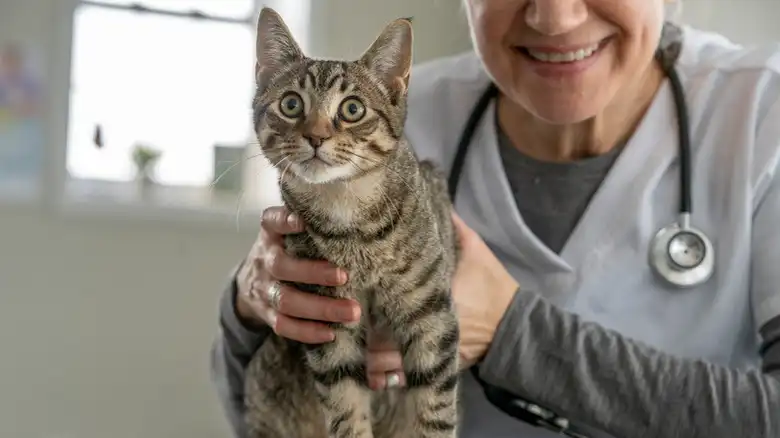
Synulox For Cats: Side Effects And Uses
CatsCat HealthSynulox For Cats: Side Effects And UsesByAshley BrownUpdated: Dec. 10, 2024 3:19 pm ESTFatCamera/E+/GettyImagesSynulox is a prescription antibiotic in the penicillin family that is useful in treating a variety of bacterial infections in cats, from respiratory tract and urinary tract infections to skin disease. Side effects are typically mild and uncommon.What is Synulox for cats?Synulox is one of the most common antibiotics prescribed for cats. Synulox is marketed under the brand name Clavamox in the U.S. and is manufactured by Zoetis. The medication is a combination of the active ingredients amoxicillin trihydrate and clavulanate potassium. The clavulanic acid helps amoxicillin fight bacteria that's normally resistant to penicillin-type medications. These drugs can penetrate most bodily tissues and fluids in a cat except spinal fluid and the brain.Howdoes Synuloxfor cats work?Synulox is similar to penicillin in fighting bacterial infection. The clavulanic acid added to the amoxicillin protects the antibiotic from enzymes that may destroy the amoxicillin before it can kill the bacteria. The antibiotic is not effective against viral infections.Synulox for cats: usesSynulox is an effective treatment for a variety of infections in cats, such as:Urinary tract infectionsSkin disease (e.g. pyoderma) and infected wounds such as abscessesSoft tissue infectionsRespiratory disease due to infectionDental infections (or gingivitis)Bacteria killerSynulox inhibits beta-lactamase that bacteria can produce to resist antibiotics. Therefore, it effectively treats infections of a variety of gram-positive and gram-negative bacteria, including:E. coliPasteurella spp.Staphylococcus aureusStaphylococcus spp.Streptococci spp.Certain Proteus speciesKlebsiella pneumoniaeSynulox for cats side effectsSynulox is considered quite safe, and most cats tolerate it well. Potential side effects are usually mild and short-lived. These possible side effects include:Vomiting and nausea: Nausea could be alleviated by administering the medication with food.Diarrhea: The antibiotic can interfere with the healthy bacteria in the gut, which can cause diarrhea. If your cat develops mild diarrhea, your veterinarian may recommend a probiotic.Loss of appetite: If your cat stops eating, consult your veterinarian right away. A serious secondary liver condition (hepatic lipidosis) can result from even just a couple days of decreased appetite.If stomach upset persists, contact your veterinarian before discontinuing treatment. Effectively curing the infection being treated may warrant tolerating mild side effects.How is Synulox given to cats?Synulox is available in tablet form as well as oral suspension (liquid form). You and your veterinarian can discuss which form is likely easiest to administer to your cat. The tablets come in both chewable and nonchewable form. If using the chewable form, it's a good idea to hide the tablet in a pill pocket or tasty food. If your cat is especially picky, you might have to administer the tablet or liquid directly into their mouth.Make sure they have a little food in their stomach firstSynulox palatable tablets come in sealed blister packs and should be stored in a cool, dry place. Avoid getting out a tablet until you're ready to administer it. The liquid form usually needs to be refrigerated. Shake well before use. Liquid Clavamox should be discarded after 10 days.If you miss a dose, administer it as soon as you remember. However, if it's almost time for the next dose, just skip the missed dose and continue with the schedule. Do not give two doses at one time. If your cat doesn't tolerate being medicated by the oral route, your veterinarian may be able to administer an antibiotic injection that lasts for 7 days.TatyanaGl/iStock/GettyImagesHowlong does it take Synulox towork in cats?The medication will start working within one to two hours, though you may not see symptoms of infection abate for a couple of days. As with all antibiotics, it's important to administer the full course of antibiotics prescribed by your veterinarian, even after you see improvements in your cat's health.According to Vet Pet World, the standard dosage rate 12.5 mg/kg bodyweight. The dosing and length of the course of treatment will depend on the infection, but your cat will typically take Synulox for at least seven days.Other warnings and contraindications for SynuloxPregnant or lactating cats should not take Clavamox. Allergic reactions to Synulox are rare. If you know your cat is allergic to penicillin, Clavamox should not be administered. Be sure to tell your veterinarian about any other medications or supplements your cat is on. If you see any of these signs of an allergic reaction, which can result in abnormal red and white blood cell counts, contact your veterinarian immediately:HivesRashesFeverThe drug is not appropriate for small herbivores, such as rabbits, guinea pigs, and hamsters, because it can cause severe enteritis or gastrointestinal issues, which may lead to death.If you or anyone in your family is allergic to penicillin, avoid exposure to this drug. If necessary, wear disposable gloves while administering the pills or liquid medication and wash your hands thoroughly afterward.The bottom lineWhile Synulox is similar to penicillin, it's a unique antibiotic because it contains clavulanate acid in addition to amoxicillin. This ingredient helps to make it even more effective against certain types of bacterial infections. In veterinary medicine, Synulox is considered very safe to use in cats. Any stomach upset or side effect is typically mild and dissipates quickly.
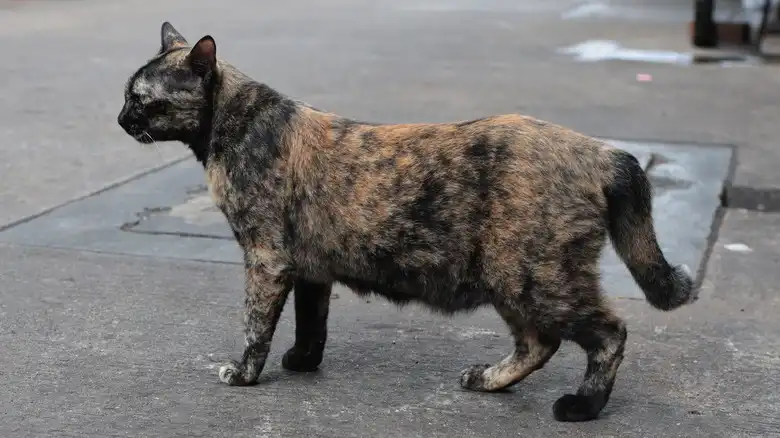
Can You Spay A Pregnant Cat? Here's What You Need To Know
CatsCat HealthCan You Spay A Pregnant Cat? Here's What You Need To KnowByCynthia AnayaOct. 21, 2024 3:25 pm ESTNPvancheng55/ShutterstockWhether you're a first-time or experienced cat owner, you probably know a thing or two about spaying. Many veterinarians and pet organizations encourage spaying because of the benefits that this procedure provides to cats, their humans, and the community. One benefit is that it helps prevent unwanted litters...but what if the cat you plan to have spayed is already expecting? Yes, a pregnant cat, appropriately referred to as a "queen" in the veterinary world, can still be spayed. However, if you're the one making the decision about whether or not to spay a queen, you'll want to consider a few ethical and health-related factors first.Spaying consists of surgically removing a female animal's ovaries and uterus, hence the medical term "ovariohysterectomy." The obvious outcome of removing these organs is eliminating the possibility of pregnancy, but the lesser known benefits are the health and behavioral ones. A sterile cat is less likely to develop mammary and uterine cancer or to yowl in search of a mate since the surgery ends the heat cycle. Plus, it can extend the cat's lifespan. A cat can experience the benefits of spaying whether they're expecting or not at the time of the procedure. Spaying a pregnant cat just adds a few more variables to the decision-making process and to the procedure.Spaying a pregnant cat terminates the pregnancyDimaberkut/Getty ImagesRemoving a pregnant cat's reproductive organs doesn't just make her sterile; it also ends the feline's pregnancy. This, of course, means that any developing kittens will not survive. You might be on board with spaying your cat because of the benefits, but arranging for her to have an abortion is likely to cause some hesitation. It's a normal reaction, so there's nothing wrong with taking some time to put more thought into your decision before making it.Wondering if there's an ideal time during gestation for the spay to take place? Pregnant cats can actually be spayed at any time during their pregnancy. However, some veterinarians don't recommend it because spaying a pregnant cat poses risks, just as with any other surgery. Certain vets may even refuse to perform the procedure if the cat is late in her pregnancy. The primary reason for this is the increased risk of complications, such as infection or excessive bleeding. In general, the later the cat is in her pregnancy, the greater the chance is of something going wrong.It's also important to note that spaying a pregnant cat may cost more than spaying one that isn't pregnant because the veterinarian won't just be removing organs at that point. They will be removing embryos as well, so the surgery will be a little more complex.Spaying a pregnant cat can be advantageousfantom_rd/ShutterstockNobody wants to think about a cat losing her kittens, but in some cases, carrying those kittens to full term can be dangerous. Just as with humans, there's no guarantee that every cat will have a safe, successful pregnancy. While it's rare, cats can experience problems while pregnant or while giving birth, some of which can jeopardize the queen and her kittens. If you have a pregnant cat that you weren't planning to spay, and you discover that she's having pregnancy complications, you might decide to have the surgery to save her life.How do you know when a cat is having pregnancy complications? She'll let you know in a number of different ways. For example, she may experience a loss of appetite or show signs of distress, depression, or agitation. You may also notice vaginal discharge or bloody urine, among other signs. Always consult with your veterinarian if you're concerned about your pregnant cat's health.Remember, spaying is widely recommended for both cats and dogs because of the list of benefits. On the other hand, if you discover that the cat you plan to have spayed is pregnant, you may still be able to move forward with the appointment, but with an added caveat. You'll just need to weigh the benefits with the risks and consider your personal emotions and convictions about aftermath. If you find yourself struggling to make a decision regarding spaying a pregnant cat, your veterinarian can help.

Chocolate Isn't Toxic To Dogs Only — Keep It Away From These Pets Too
CatsCat HealthChocolate Isn't Toxic To Dogs Only — Keep It Away From These Pets TooByJessica DesrosiersDec. 11, 2024 9:25 am ESTRfranca/Getty ImagesThere are many human foods our pets shouldn't eat. Chocolate is the most well-known and usually tops the list of foods dogs can't eat. However, you may not know that other pets can become ill when eating chocolate, too. According to a 2013 study carried out by the Veterinary Institute of Massey University in New Zealand, many pets are susceptible to the effects of chocolate, including horses, pigs, and chickens. In addition, cats and ferrets can suffer the same toxicity symptoms.The reason chocolate can be so deadly to pets is two chemicals within it: theobromine and caffeine. Theobromine is found in high concentrations in cacao seeds. Both it and caffeine are easily absorbed by pets' gastrointestinal tract. However, unlike humans, pets break down these chemicals slower, leading to the symptoms of toxicity as the levels rise. In addition, sugar-free chocolates can contain a third toxic substance: xylitol. While not every type of pet is affected, some, like ferrets, can experience toxicity when ingesting it, too.An emergency vet visit is one of the most common hidden costs of caring for a pet, and, according to West Virginia ER veterinarian Lindsay Vega, chocolate ingestion is one of the most commonly seen reasons for an emergency vet visit (via Dakota 283). The darker the chocolate, the more toxic it is, as well. White chocolate, while it doesn't contain the toxic theobromine found in milk and dark chocolate, is still not healthy to give your pets, either.CatsCris Cantón/Getty ImagesChocolate is one of many foods you may regret giving your cat due to its toxic nature. Just like dogs, they're susceptible to the theobromine and caffeine found in it. Compared to small dogs of the same weight, it takes a smaller amount of theobromine ingestion to cause a reaction in cats. All that is needed is about 90 mg. of theobromine per pound to cause toxicity symptoms. For comparison, a Hershey's Milk Chocolate Bar contains 64 mg. of theobromine.Typically, chocolate toxicity symptoms appear about two to four hours after eating a toxic amount. These symptoms include vomiting and diarrhea, as well as sudden excessive thirst and urination. In addition, cats may show signs of pain by panting, have an abnormal heart rhythm, or even experiencing seizures. If you spot these symptoms or notice your cat has eaten some chocolate, it's best to seek emergency care right away for treatment.FerretsIrina Vasilevskaia/ShutterstockFerrets react very similarly to their canine and feline companions when it comes to chocolate toxicity. However, due to their small size, a much smaller amount of chocolate can be enough to cause them serious harm. Veterinarian Gary Brummett states that just 2 ounces of milk chocolate or 0.1 ounces of baking chocolate can be fatal for your furry friend (via Tipp City Veterinary Hospital). Like dogs, sugar-free chocolates also pose a danger to ferrets, as xylitol can cause similar toxicity symptoms when ingested.Ferrets experience similar symptoms of toxicity as other pets, including vomiting and diarrhea. In addition, they can experience dehydration, sudden hyperactivity, and tremors. Other symptoms of chocolate toxicity in ferrets include an abnormal heart rhythm, an increase in body temperature, and a spike in blood pressure. Since such a small amount of chocolate can cause severe illness, it's important to seek veterinary care immediately if you notice any symptoms or your ferret has gotten into even just a bite of chocolate.ChickensTina Terras & Michael Walter/Getty ImagesChickens are great at turning food scraps into delicious eggs and will happily dig in compost heaps and scrap piles looking for a tasty treat. However, you may want to avoid adding chocolate to their food pile. Theobromine can cause similar toxicity symptoms in chickens as it can their four-legged friends. These include vomiting, diarrhea, seizures, and, in extreme cases, death. In chickens, 40 grams of chocolate may be enough to cause problems — that's only 1.5 ounces.However, ingested chocolate isn't the only potential cause of cocoa toxicity in chickens. Cacao bean shells are a common component of the mulch used in gardens, as well as in some coop bedding. As chickens enjoy scratching around in their bedding and around the yard, they may come into contact with or accidentally ingest enough to cause problems. It's best to keep any mulches using these ingredients out of the chicken coop, yard, and anywhere your flock may frequent. If you do notice symptoms, contacting your avian veterinarian is best.HorsesAire Images/Getty ImagesWhile you may not think to give your horse a piece of chocolate intentionally, the effects of eating chocolate can still be a problem for our equine pals. Like cats and dogs, theobromine is the main culprit that can cause issues in horses. It's hard for horses to metabolize chocolate as quickly as humans, so if a lot of chocolate is given to them over a long period, it can lead to health issues like heart complications and nervous system dysfunction. In addition, the high amount of caffeine as well as the high sugar content of most candy bars isn't healthy or good for horses to eat. If you're looking for a sweet treat to give your horse, try giving it a slice of watermelon or a banana instead. Like chickens, cacao bean shells found in mulch and bedding can also pose a potential problem in horses. They may accidentally ingest some of the mulch or bedding if hay is dropped into it. It's best to keep these products out of paddocks, fields, and stalls that your horse frequents to stay safe.PigsIneke Kamps/Getty ImagesThere's some controversy over whether chocolate is truly toxic to pigs. One side recommends avoiding feeding any chocolate to pigs for the same reasons as cats and dogs, stating that theobromine leads to health issues and even death in pigs. However, conflicting information on the other side argues that pigs have a similar gastrointestinal tract to humans, and thus can break down chocolate safely as a result. Regardless, both sides still say it's not the best idea to feed chocolate to pigs when there are many healthier foods to offer instead. As with horses and chickens, it's also a good idea to avoid mulches and bedding that contain cacao bean shells, just to be safe.Overall, chocolate toxicity can be a scary, emergency situation for many of our pets. It's always best to seek veterinary care immediately if any of your animals have ingested chocolate. Your vet can work with you on a treatment plan of inducing vomiting, offering meds, and administering fluids to ensure your pet recovers fully.
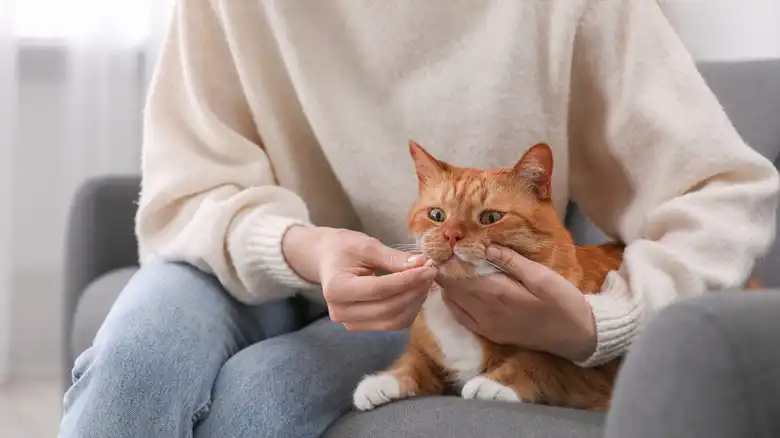
Amoxicillin Dose For Cats
CatsCat HealthAmoxicillin Dose For CatsByAshley BrownUpdated: Dec. 10, 2024 1:34 pm ESTNew Africa/ShutterstockCat owners may often receive medications for their pets without knowing how or why the drugs work. It is helpful to become informed on the proper dosage and administration to better help their ill felines. Amoxicillin, a well-known medicine used to treat a variety of infections, can be prescribed only through a registered veterinarian. The handling of both the medicine and the cat patient, however, usually happens at home, and a general knowledge of what your cat is getting can ease your worries.What is amoxicillin for cats?Amoxicillin is a gram positive, penicillinl-ike antibiotic (as opposed to a tetracycline-type antibiotic) commonly prescribed in veterinary offices for cats and dogs worldwide. Because it is relatively low-cost and easy to produce, it has been used for a number of years in small-animal veterinary medicine, and its efficacy in felines is well documented.How does amoxicillin work in cats?Amoxicillin kills staphylococcus and streptococcus bacteria by inhibiting cell wall synthesis. It is prescribed for a wide variety of diseases, including ear infections, respiratory infections, and urinary tract infections. It is also used for all manner of skin infections and conditions, such as pyoderma and acute moist dermatitis. An oral medication, amoxicillin is particularly effective for cats because it has proven to be more readily absorbed than other antibiotics and is usually well tolerated.Elena Boltunova/iStock/GettyImagesForms of amoxicillin for catsUsually administered orally, amoxicillin can be found in both pill and liquid form. The pills, commonly trademarked under the brand name Amoxi-Tabs, can be found in 50, 100, 150, 200, and 400 milligram tablets. Liquid amoxicillin under the brand name Amoxi-Drop is available in a 50-milligram/milliliter oral suspension. This is the form most often prescribed for cats because of the ease of administration.Clavamox is amoxicillin that is combined with clavulanate potassium to treat felines who may have become resistant to regular amoxicillin. It is also available in both tablet and liquid forms.Amoxicillin dosage and duration for catsThe dose of amoxicillin depends on the weight of the cat and the severity of the infection. Per GoodRX, "The amoxicillin dosage for cats is about 10 mg/kg to 25 mg/kg of body weight every 12 hours." Amoxicillin is given by mouth, whether in tablet form or liquid oral suspension. Measure the liquid form carefully and shake well. It can be given with or without food. If your cat vomits after receiving medication on an empty stomach, give the amoxicillin with food. Make sure to give all required doses for the duration prescribed by your veterinarian, usually 10 to 14 days.Amoxicillin will begin working within about one to two hours. While effects may not be observable immediately, you should notice improvements in your cat and the symptoms of infection within a few days.rai/iStock/GettyImagesSide effects and risks of amoxicillin in catsAmoxicillin is usually well tolerated in cats. Although they may spit it out because of the taste, most cats will not suffer from any adverse reaction to either pills or liquid suspension. Allergic reactions are possible but rare. These can be characterized by swelling of the nose or mouth, skin redness, scratching, and labored breathing.Side effects of amoxicillin can include diarrhea or vomiting, but these reactions are fairly rare in cats. Animals who are allergic to penicillin should not be given amoxicillin. Any of these symptoms should be reported to the veterinarian immediately.The bottom lineAmoxicillin is an effective antibiotic used to treat a variety of bacterial infections in cats. Dosage of the medication will depend on your cat's body weight. All prescribed doses need to be administered. If your cat shows any sign of allergy to amoxicillin, however, stop the medication and contact your veterinarian immediately.
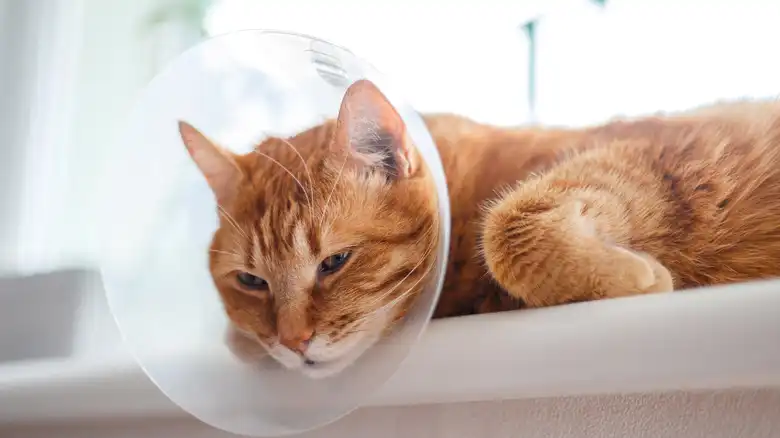
How To Feed A Cat Who Is Wearing A Cone Around Its Head
CatsCat NutritionHow To Feed A Cat Who Is Wearing A Cone Around Its HeadByPaige CerulliUpdated: Dec. 2, 2024 4:32 pm ESTTarasBeletskiy/ShutterstockWe may receive a commission on purchases made from links.Cuteness may earn compensation through affiliate links in this article.Sometimes, the things that are best for our cats are also things they really, really dislike. If your cat is ever injured or has surgery, she may need to wear a cone or e-collar. Chances are that your cat is going to be less than thrilled when you put that cone on her. Luckily, Fit the cone properlyIf your cat needs to wear a cone, ask your vet for cat cone advice. Your vet can help you to find a cone that's the right size for your cat. A cone that's too big will be heavy and cumbersome, but a cone that's too small won't be effective in keeping your cat from licking his wound.To size an e-collar or cat cone, measure the length running from the base of your cat's neck to his nose. The collar needs to be long enough to reach to or just past your cat's nose when it's on. When fitting the collar, you should be able to fit two fingers between the base of the collar and your cat's neck. Make sure that your cat can comfortably breathe and swallow when the collar is in place.Setting up food and waterYou may need to reposition your cat's food and water dishes while she's wearing a cone. Raising the food dishes up so that they're 2 to 4 inches off the ground can help your cat to more easily eat and drink from them. Your cat will probably be clumsy initially, so you may want to put down a mat beneath the dishes in case she knocks them over.Some cats find that it's easier to eat and drink out of a saucer than it is to use a dish that has raised edges. The dishes' diameters will need to be smaller than the cone in order for your cat to eat from them.When your cat is new to wearing the cone, she may be reluctant to eat or drink. Hand feeding her can help her to get used to this process. If your cat continues to refuse to eat, contact your vet to see if you could remove the cone and supervise her as she eats.Cat cone alternativesIf your cat just isn't doing well wearing an e-collar, you may want to look into some alternatives. Some cats may cope better with a soft foam collar. Sungrow Post-Surgery Dog & Cat Recovery Collar comes in cute colors such as pink polka dots. The soft edges make it easier for your kitty to navigate to her food without toppling it over.There are also a number of inflatable collars that don't extend as far around the cat's face as traditional e-collars do. Some cats may enjoy these inflatable options because they can hear and see better with them on. You may also be able to fit your cat with a cloth recovery suit to cover the injury or incision as it heals.Give her a breakIf your cat hates the cone collar, you can periodically remove it to give your cat a break. However, only do this during times when you're able to focus all of your attention on watching your cat. If your cat starts to lick his wound or removes his stitches, you may have to go back to the vet, and the healing time (and the amount of time your cat will need to wear a cone) will increase.With a little time, your cat should get used to the cone and be able to eat and drink comfortably. In most cases, your cat will only need to wear the cone for a short time, and then he'll be thrilled when the cone is finally removed.ReferencesVCA Hospitals: Elizabethan Collars in CatsPreventive Vet: Your Cat in a Cone: Elizabethan Collar DesensitizationHealthy Paws Animal Hospital: Elizabethan Collars (E-Collar)Always check with your veterinarian before changing your pet's diet, medication, or physical activity routines. This information is not a substitute for a vet's opinion.
Why Is A Cat Sneezing Blood With An Upper Respiratory Infection?
CatsCat HealthWhy Is A Cat Sneezing Blood With An Upper Respiratory Infection?ByKathy MandellUpdated Sep 9, 2023Feline nasal passages are sensitive conduits lined with soft tissue and small blood vessels that aid your cat's breathing and sense of smell. When you see a cat sneezing blood, it should definitely be a cause for concern of any cat parent or caregiver.zlyka2008/iStock/GettyImages #ebb4925f6726f12e8ffa14aff0ded2981, #ebb4925f6726f12e8ffa14aff0ded2981 img { display: block; aspect-ratio: 1.4893545116593While it is rare, it's not unheard of to see your cat sneezing blood or having a bloody nose. It's when epistaxis in cats becomes heavier, or chronic, that a diagnostic workup should occur.Cat nose bleeds, known as epistaxis, are often linked to diseases, exposure to toxins, or physical trauma. Even if your kitten has an active respiratory infection, it's possible there's also a second issue causing the bleeding.A cat bleeding from the nose can indicate several life-threatening conditions, so talk to a veterinarian if you notice any sign of blood coming from your pet's nose. This is especially true if the feline is experiencing chronic sneezing or if the cat has a nose bleed and is not eating.Possible causes of kitten bloody nosePossible causes of kitten bloody noseCat nose bleed causes are numerous and can include a cat being exposed to human medications, such as NSAIDs, which are dangerous to cats because they can interfere with blood clotting. Keep all human medications safely out of reach of your kitty. Another cause could be the use of pesticides in and around the home, including rat poison.Keep in mind that a kitty can ingest rat poison by killing a rodent away from home if she spends any time outdoors. Sometimes, your feline companion will bring home a piece of their catch to show off their prowess, but generally speaking, it may not be apparent to you if your pet ingested a poisoned mouse, rat, or chipmunk.To understand nosebleeds in cats, there are a few things you should keep in mind. If you have a sneezing cat with bleeding from the nose, and especially if your cat will not eat, it is possible the kitty came in contact with rodenticide, or a poisoned mouse, mole, squirrel, or other outdoor creature. It's always a good idea to keep kitties indoors anyway because you have more control over their environment.Accident or trauma to the noseAccident or trauma to the noseIf ever you find your kitten bleeding from the nose, it's entirely possible that the kitten got into something, or fell and hit her face. If you witness a kitten bleeding from the nose after a fall, it's crucial to seek veterinary care as quickly as you are able. Your vet will ask if there has been an accident or trauma to the nose, if the cat plays hard with companion animals, or how else she may have been injured.Another all-too-common cause of cat nose bleeds is vegetation such as grass awns, seed heads, or foxtails. These plant burrs or seeds can cause havoc if they get stuck anywhere, and the nose is a particularly vulnerable spot. Cats walk through tall grasses and bushes to camouflage themselves while outdoors as protection from predators, and they're very likely to pick up one of these seeds in the process.Photographer #ec40242d23b016c93b17ac43bdcd7cf52, #ec40242d23b016c93b17ac43bdcd7cf52 img { display: block; aspect-ratio: 1.5Upper respiratory infection in felinesUpper respiratory infection in felinesUpper respiratory infections are rife in large groups of felines, such as feral colonies and shelters, so many cats suffer from the illness at some point in their lives. The vast majority of cases are viral, although up to 20 percent of infections are of bacterial origin, according to Manhattan Cat Specialists.The most common pathogens responsible for feline respiratory infections are:Mycoplasma — an antibiotic-resistant bacteriaBordetella — proteobacteria commonly known to cause kennel cough in dogsChlamydophila — an organism that causes conjunctivitisFeline herpes virus — sometimes called FVRFeline calicivirus — known as FCVSneezing and excessive nasal discharge are the primary symptoms of these infections. Cat sneezing may be persistent and severe, which can rupture blood vessels inside the cat's nose.Cats suffering from a respiratory infection also may develop a fever, congestion, and eye discharge. Loss of appetite and energy is common.Cancer or fungal infectionCancer or fungal infectionIf a cat bleeding from the nose is determined not to be the result of ruptures from excessive sneezing, then cancerous growth and fungal infection around the nasal passages are the likely suspects, according to Washington State University College of Veterinary Medicine. Benign polyps can form inside the nose and cause epistaxis. Treatment for any of these illnesses is dependent upon the cause. The cat nose bleed may be treated with drugs to kill nasal mites. Dental problems could be at fault, requiring tooth extraction surgery. With fungal infection, usually feline cryptococcus, an anti-fungal drug will be given to the kitten bleeding from the nose. This treatment may take several months.Cancerous growths or tumors are more difficult because it's not possible to remove a tumor from inside the cat's nose, and a tumor can grow toward the brain causing neurological issues such as seizures. Some tumors can grow so large as to cause deformed facial features. To add to the difficulty, nasal tumors do not usually respond to anti-cancer drugs. In this case, radiation is used, but this treatment is pricey and usually only available at veterinary schools or large metropolitan areas.Other illnesses that contribute to nasal bleeding include:Blood deficiencies, such as hemophilia and thrombocytopeniaCancer of the blood or bone marrowFeline immune deficiency virus — also known as FIVFeline leukemia — cat sneezing blood could be a sign of feline leukemiaToxin exposure nose bleedKsenia Valyavina/iStock/GettyImages #p6983f2d61b66326707dd929eb6336947, #p6983f2d61b66326707dd929eb6336947 img { aspect-ratio: 4000/2667; height: auto; }Toxin exposure nose bleedNosebleeds are associated with the consumption of various toxic materials, particularly pesticides and rodenticides. Cats can get sick by consuming poisoned rats, whether they are alive or dead.Nonsteroidal anti-inflammatory drugs reduce clotting potential, which increases the risk of epistaxis. Note any medication your pet has consumed when you speak to the vet. Household painkillers often contain NSAIDs. Nosebleeds may be a sign that your kitty has consumed human medicine.Foreign object in cat's noseForeign object in cat's noseWhile dogs are more likely to "sniff up" small objects, felines also may get things stuck in their noses. Pointed seeds and small pieces of plant matter can scrape the inside of the nose and burst blood vessels. Objects can get sucked into the upper parts of the canal, so they are not always visible during a basic examination of the nostrils.This is especially true with foxtails and other outdoor spiny plants that cats can breeze past while walking through tall grasses or brushy areas. Consult a veterinarian before removing anything stuck in your cat's nose. When in doubt, allow a medical professional to handle it.Managing kitten nose bleedsManaging kitten nose bleedsIf your cat's nose is bleeding, isolate him from other pets and family members to provide a calming environment. Hold an ice pack to the nose, leaving space for her to breathe. Contact your veterinarian once you've stabilized the situation at home yourself.Above all, stay calm, and make sure your cat is comfortable and not in any immediate danger. Always transport cats to the vet in a crate for their safety and protection.ReferencesVCA Animal Hospitals: Feline Upper Respiratory InfectionWashington State University College of Veterinary Medicine: Nasal Discharge and SneezingVCA Animal Hospitals: Nose Bleeds or Epistaxis in CatsManhattan Cat Specialists: Blog/Infectious Diseases
Do Cats Need Baths?
CatsCat HealthDo Cats Need Baths?ByKrissy HowardSep 1, 2023 11:03 am ESTinside-studio/iStock/GettyImages #p5cdd85b3cbee2536513193b294c8db54, #p5cdd85b3cbee2536513193b294c8db54 img { aspect-ratio: 5735/3816; height: auto; } In This ArticleDo cats need a bath?When to wash your catHow to bathe your feline friendThe bottom lineMost people with dogs offer their canine companions an occasional bath, but what about cats? Do they need help bathing? Some situations will call for a bath, like flea infestations, sticky messes, and of course, the dreaded skunk encounter, but most cat parents don't subject their cats to tub time, and for good reason!Do cats need a bath?Do cats need a bath?No, in most cases, housecats do not need to be given baths by their human caretakers. Why? Cats are fastidious and frequent groomers who are designed to keep themselves clean. You may have noticed your own cat licking their fur, their paws, and even wiping their own faces, which is not only extremely adorable but effective at removing dirt and other buildup!Most cats typically spend between 30-50% of each day grooming themselves and mainly use their tongues to get the job done. A cat's tongue, which many people describe as feeling like sandpaper, is covered in filiform papillae, which are tiny reverse-facing barbs that essentially comb through hair and remove dirt and debris. These barbs are also able to distribute a cat's skin oils, known as sebum, throughout the body, keeping your cat's skin and fur healthy and hydrated, and preventing build-up from forming. Perhaps even more interesting, because the barbs are hollow, they can actually wick moisture by pulling water up according to a 2018 study published in the National Library of Medicine, so if your cat gets wet they can actually dry themselves off, with some effort.More Like ThisCatsAutomatic Cat Feeders Are Taking Over TikTok. Should You Get One?Cats22 Cats Who Are You At A PartyCats17 Cat Photos That Will Have You Smashing the LOL Reaction ButtonLike all domesticated pets, however, certain times may call for certain measures, especially if you have a long-haired cat, an outdoor cat, or an older, physically-limited cat who needs help grooming themselves.ozkan uner/iStock/GettyImages #e284276de672a34944d3d9f025d44d183, #e284276de672a34944d3d9f025d44d183 img { display: block; aspect-ratio: 1.5When to wash your catWhen to wash your catAlthough most cats don't need to be washed with water and shampoo, some cats, especially the long-haired varieties, may need help grooming. This usually includes brushing tangles out of their fur, removing matted pieces of hair, and wiping around their eyes and noses. Other cats may not be able to reach certain parts of their bodies to groom themselves effectively, like their backs, and may need dander, dead skin, and loose hair wiped or combed away. Additionally, cats with skin conditions or other physical ailments may need help grooming themselves in areas they can't reach, such as a cat wearing an e-collar for healing purposes.Marie-Claude Lemay/E+/GettyImages #e0b960ff284a49c89046af8b401ee4f0b, #e0b960ff284a49c89046af8b401ee4f0b img { display: block; aspect-ratio: 1.4815732424899How to bathe your feline friendHow to bathe your feline friendThe best way to bathe a cat will depend on your cat's temperament and the reason for bathing them. Many cats don't appreciate being soaked in water and shampoo, in which case cat cleansing wipes or a cleaning foam or spray may be the best idea. These can be especially helpful for cats who do need regular baths or help grooming as it is quick and easy, and probably won't upset your furry friend too much.If your cat will tolerate a bath with water, or if you have an especially big mess that only shampoo and water can handle, there are some steps you can take to make bath time a bit easier for both of you!Do a quick pre-grooming. The less time in the tub the better, so before you hop in, use a brush to remove any loose hair and debris. If it's possible, give your cat's nails a quick trim before their bath to keep both of you safe and more comfortable.Find a comfortable temperature. Filling a small tub with lukewarm water or warm water that's not too hot or cold can be more comfortable than running a shower head over them. If you do opt to use a shower to bathe your cat, one with a detachable shower head will offer the most flexibility and is less likely to scare them as you can run the water close to their skin.Grab a quality cat shampoo. You may be tempted to use whatever human shampoo you have on hand for your cat, especially if it's not a regular thing, but pet products like cat shampoos are formulated to work with the pH of a cat's skin to lessen irritation, burning, and bad skin reactions. If you're giving your cat a flea bath, make sure to use a medicated flea shampoo and read the directions before using it for the best results—you will need to let the shampoo sit on your cat's skin for around 5 to 10 minutes to eliminate those bugs.Mind the face. Most cats do not appreciate water in their faces, so it's best to keep a gentle hand here and wipe them down quickly. You can use a wet washcloth or even a cotton ball to wipe your cat's fur around their eyes, nose, mouth, and ears.Get them dry. When it's time to step out of the tub, gently wrap your cat in a clean large towel, but don't worry too much about scrubbing them totally dry—just do your best to soak up some of the water, then let them be on their way.Oksana Restenko/iStock/GettyImages #e2f48324c6c6ea768b72165425d9915ef, #e2f48324c6c6ea768b72165425d9915ef img { display: block; aspect-ratio: 1You may want to reward your cat for a job well done after or during your bath, which may help them form positive associations with bath time to make future baths a bit less miserable. Similarly, you can keep your cat engaged with their favorite activity or treat before or during the bat to distract them, and help them pass the time.The bottom lineThe bottom lineCats don't need frequent bathing from their pet parents because they are excellent groomers who can, and do, easily wash themselves. Their tongues are covered in hollow barbs called papillae that not only brush through fur and debris, but also distribute saliva and healthy oils around the body, and wick moisture as well. While most cats won't need regular baths, some may need occasional help grooming and bathing, especially if they have medical conditions that lead to limited mobility and can't reach areas like their backs or near their tails. If you do need to bathe your cat, be sure to use cat shampoo and lukewarm water for a comfortable and effective experience, or a waterless cat shampoo or cat wipes if your cat won't tolerate the tub.ReferencesCornell Feline Health Center: Cats That Lick Too MuchNational Library of Medicine: Cats use hollow papillae to wick saliva into fur
What Can Happen To Your Cat's Urinary Health If You Don't Clean The Litter Box Enough
CatsCat HealthWhat Can Happen To Your Cat's Urinary Health If You Don't Clean The Litter Box EnoughByJessica DesrosiersJan. 19, 2025 9:25 am ESTMukhina1/Getty ImagesWe may receive a commission on purchases made from links.Cleaning the litter box can be a pain, but it's an important part of maintaining your cat's well-being, especially when it comes to its urinary health. A 2019 survey of about 12,000 Australian cat owners published in the Journal of Feline Medicine and Surgery found that 17.1% of owners noted urinary problems in their pets, including hematuria, or blood in the urine, and urethral obstruction, which inhibits a cat's ability to urinate. In addition, many felines exhibited inappropriate urination outside of the litter box. These issues increased in homes with multiple cats, too few litter boxes, and not enough litter-box cleaning.Though it may seem obvious, a 2017 study published in Behavioral Processes found that cats prefer clean litter boxes and use them more when they're sifted and cleaned more often. Additionally, unclean litter boxes can have unhealthy levels of ammonia because of excess cat urine, which can hurt people, too.Litter box-related urinary issues are common in catsDuet PandG/ShutterstockAccording to the American Society for the Prevention of Cruelty to Animals, a minimum of 10% of cats experience issues with relieving themselves, including those related to the litter box. Moreover, cats develop urinary tract disorders in spades, leading to ample health problems, rehoming, and, in some cases, death.There are many reasons why a cat may develop a urinary issue from using a dirty litter box. This can include the box not being cleaned enough, being too small or uncomfortable, having too few boxes for your number of cats, and even using too much litter. As a result, underlying health issues can be exacerbated. Urinary tract infections (UTIs), feline interstitial cystitis (FIC), kidney stones, stress, and behavioral changes can all emerge.Lingering bacteria in a dirty litter box can lead to a UTI, as these harmful bacteria may make their way up your cat's urinary tract when they squat to go potty. In addition, UTIs caused by dirty litter boxes can lead to the formation of bladder stones, making the problem worse. The stress of using a dirty litter box can also worsen inflammatory issues like FIC. Basically, the issues add up quickly when cats use dirty litter boxes.How to provide a healthy, clean litter box for your catOleg Opryshko/ShutterstockCleaning your cat's litter box regularly can help keep your furry friend healthier. You may wonder how often you should change your kitty litter. Well, here's your answer once and for all: Your cat's litter should be scooped daily, and the entire box sanitized or wiped down weekly. In addition, you should regularly replace your cat's litter box and scoop. You can also make some changes if your cat is having trouble or seems uninterested in the options provided. Try using a larger box with shallower litter to give your feline more room to move around. A choice of clumping or unscented litter provided in multiple boxes can also let your cat pick which they prefer. Lastly, a self-cleaning litter box such as PetSafe's Scoop Crystal Pro Front-Entry Automatic Litter Box can help ensure the litter stays clean even if you can't scoop it daily. If you need to swap your cat's litter, a 2022 study published in the journal Animals recommends doing so slowly. The researchers found that six days was enough time to transition a feline to a new litter without disrupting its usual activities. The study also recommended exposing your cat to the new litter before swapping it by placing it in another litter box nearby.

Is Bamboo Toxic To Cats? Lucky Bamboo Plants And Cats
CatsCat HealthIs Bamboo Toxic To Cats? Lucky Bamboo Plants And CatsByKrissy HowardUpdated Mar 24, 2023mdnsds/iStock/GettyImages #p996eadd7350c1687edb506c0cd89567b, #p996eadd7350c1687edb506c0cd89567b img { aspect-ratio: 3500/2333; height: auto; }If you're a cat owner, chances are your feline companion runs the house in his own unique way. Certain areas may be secured territory for your cat, and he may be unwelcoming to visitors, like new furry companions, inside the home. That said, if you're looking to add new life to your space, houseplants can be a great way to bring a breath of fresh air and a new design element into the home. Before you bring your potted plants home, however, it's important to research which are safe for felines, and which aren't, as many can be toxic when ingested.Plants and catsPlants and catsA cat-filled home can feel comforting and alive, and adding plants to that mix can raise the bar even higher. Not only are houseplants easy on the eyes, but many of them also offer air-purifying properties and make great additions to rooms like offices or bedrooms. When choosing the right plant for your home, however, you'll need to take special precaution to ensure that the foliage you pick is safe for your cat, as many plants can be toxic to felines and may result in symptoms like an upset stomach.Common plants to steer clear of include sage palm, lily of the valley, aloe, and devil's ivy, according to the ASPCA. Vetstreet adds that certain fern varieties, like the emerald fern and the ubiquitous philodendron, can lead to irritation of the mouth if chewed or swallowed. Before adding any new plants to a home you share with your cat, it's essential that you research the variety, especially if your feline friend is the chewing type.Is bamboo toxic to cats?Is bamboo toxic to cats?While there are certainly several plants to steer clear of for the sake of your cat's health, there are a number of non-toxic plants for cats that will make a great addition to any home. One such plant is the sturdy, easy-to-maintain, and aesthetically pleasing bamboo. Bamboo is an excellent indoor plant of choice for plant caretakers of all levels, from the novice who "can't keep anything alive" to the accomplished grower with a green thumb. Unlike poisonous houseplants, when it comes to bamboo, cats are actually not the party to keep an eye on in the relationship, as it's your feline friend who can end up being harmful to the plant, not the other way around.When it comes to cats' safety, however, not all bamboo is created equal. Unlike the ubiquitous golden bamboo you may see housed in glass dishes on countertops and windowsills, lucky bamboo is not safe for cats. Also known as Dracaena sanderiana, lucky bamboo differs from golden bamboo in that it is not actually bamboo at all, but rather, looks similar to the species for its tough stalks and bright leaves, explains Good Housekeeping.If your cat has ingested lucky bamboo, it may lead to mild to moderate symptoms, like drooling, vomiting, abdominal pain, or diarrhea, according to Pet Poison Helpline. Because the two varieties of bamboo can appear similar, it's best to either consult your veterinarian if you're worried that your bamboo is toxic or leave it out of your home altogether, just to be safe.Plants safe for catsPlants safe for catsIn addition to bamboo, there are a number of other indoor houseplants that can make for a safe addition to any cat-filled home. HGTV lists Christmas cactus, Swedish ivy, prayer plants, and areca palms, among others, as safe varieties to consider when looking to add leaves to any room. Spider plants are another easy-to-grow option, but its dangling shoots may end up taking a beating if you have a particularly paw-happy cat, so beware. Additionally, the Boston fern is also known for being non-toxic to animals, unlike other varieties of fern plants, so if you can't live without those fan-like fronds, this may be the cat-safe plant for you.Always check with your veterinarian before changing your pet's diet, medication, or physical activity routines. This information is not a substitute for a vet's opinion.ReferencesASPCA: Poisonous PlantsVetstreet: 10 Houseplants That Are Dangerous to Dogs and CatsHGTV: 20 Plants That Are Safe for Children, Cats, and DogsPet Poison Helpline: DracaenaGood Housekeeping: How to Grow Lucky Bamboo